


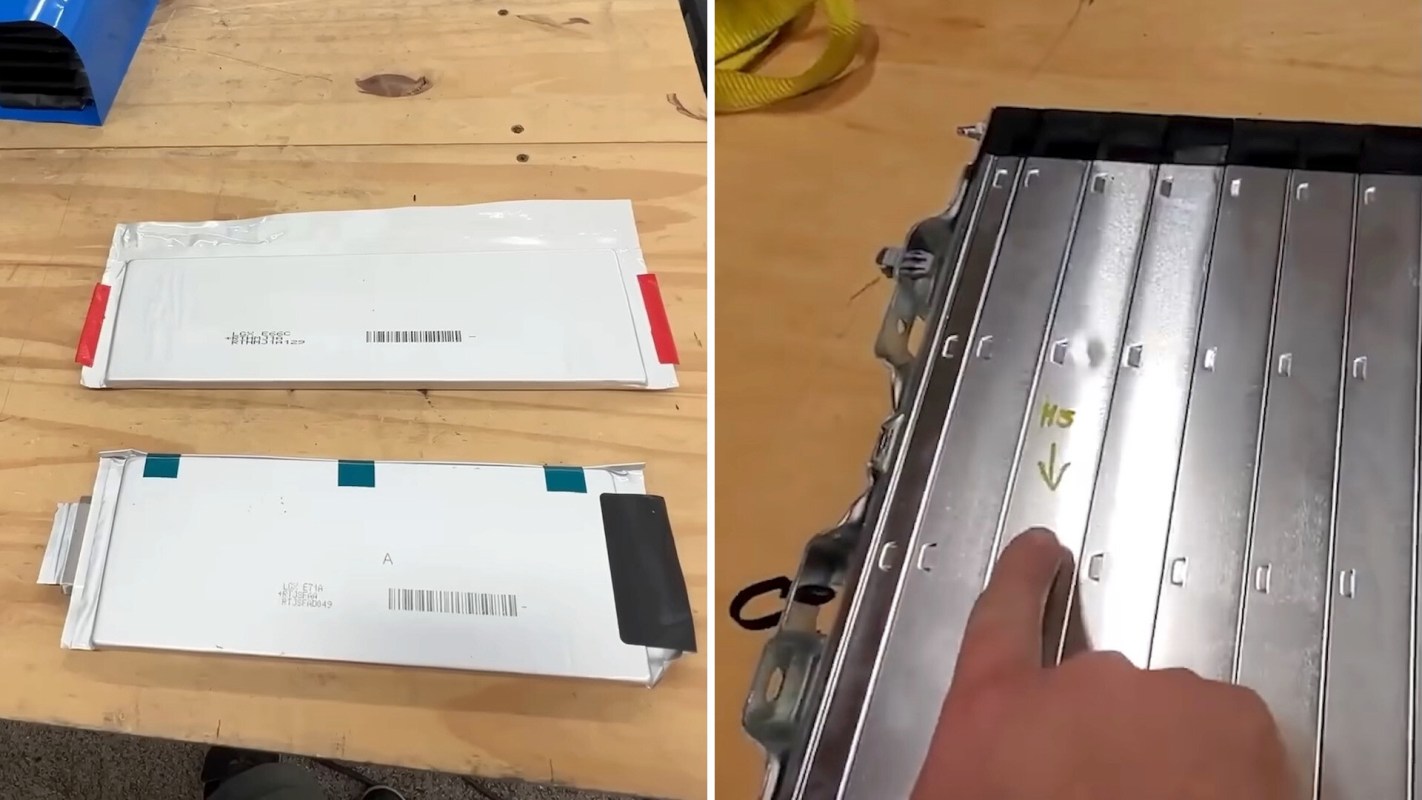
LG Energy Solution has said a new battery chemistry could help bring longer-range electric trucks and SUVs to market without the price premium drivers have grown used to seeing.
Here's what to know
According to a YouTube video from The Electric Viking (@electricviking), LG Energy Solution's new lithium-manganese-rich, or LMR, battery chemistry is being presented as a way to deliver about one-third more energy density than leading lithium iron phosphate, or LFP, cells while staying around a similar cost.
The chemistry was developed by LG Energy Solution together with General Motors, with the intent to produce LMR cells for full-size trucks and SUVs in 2028.
GM is aiming for more than 400 miles of range, a notable target in a class where heavier vehicles usually need larger, costlier battery packs.
Part of the appeal is the materials mix. LMR uses more manganese, which is both more abundant and less expensive than nickel and cobalt, potentially helping automakers control battery costs while increasing the number of miles a pack can deliver.
China has led low-cost EV battery manufacturing for years. If LG Energy Solution and GM are able to bring LMR to mass production, the chemistry could give automakers another way to compete on both affordability and performance.
TCD Picks » Quince Spotlight
💡These best-sellers from Quince deliver affordable, sustainable luxury for all




More background
LFP batteries are generally less expensive. The tradeoff, however, is lower energy density, which can translate to less range for the same pack size or more weight to reach a target range.
That tradeoff becomes even more important in larger vehicles. A battery that delivers more energy without a major cost increase could mean fewer charging stops and more practical EV options for drivers who need bigger vehicles.
Through some tweaks, The Electric Viking noted that the group, including scientists from Seoul National University, has achieved a viable LMR battery option.
What's being done?
The companies have set 2028 as the point when they hope to move LMR from development into industrial production. Promising battery chemistries often generate excitement years before they are produced at scale.
Early efforts appear to be focused on full-size EVs, where better energy density could make a particularly visible difference. If LMR works as claimed, automakers might be able to get more range out of the same battery pack.
If LG Energy Solution and GM meet their target, drivers could get a rare combination in bigger EVs of more range without the usual price penalty.
"If these results hold up in mass production, the era of cheap batteries in the United States that still deliver 600+ kilometers [~373+ miles] of range is probably about 24 months away..maybe a little bit less," The Electric Viking concluded.
Where can I learn more?
LG's work on LMR batteries is part of a much bigger push to build EV packs that last longer, store more energy, and use materials that are cheaper or easier to source.
• LG Chem has started mass-producing single-crystal high-nickel cathodes to extend EV battery life.
• In China, scientists cracked the code for lithium-metal batteries with longer cycle life.
• In Vienna, engineers built regenerative oxygen-ion batteries that avoid rare earth metals in energy storage.
Battery progress now depends on a lot more than simply making packs bigger. The real race is in chemistry, manufacturing, and proving those performance gains can hold up in mass production.

Get TCD's free newsletters for easy tips, smart advice, and a chance to earn $5,000 toward home upgrades. To see more stories like this one, change your Google preferences here.






