


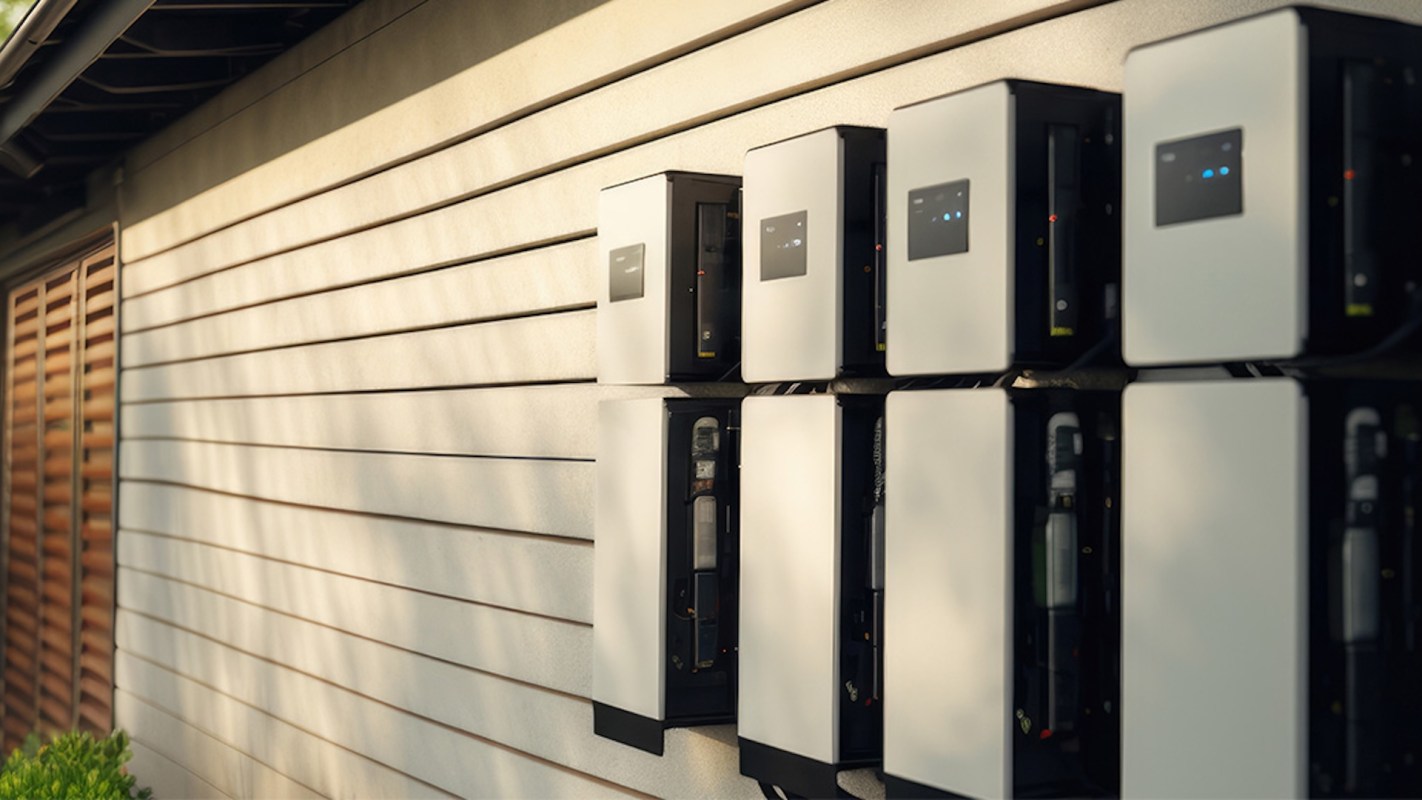
For homeowners with rooftop solar, adding a battery can seem like the natural next step.
But one Massachusetts resident sparked a lively debate after questioning whether battery storage makes financial sense at all in a state with full net metering and a relatively reliable grid.
Here's what to know
"What I can't figure out is any use case for batteries," the homeowner said in a post to Reddit's r/Solar community.
They added that their home has about 11 kilowatts of solar, which comes close to covering summer demand but is nowhere near enough in winter, particularly after replacing oil heat with air-source heat pumps.
OP then wrote, "Is there anything I'm missing here, or are battery systems just mostly for states where they don't do full net metering, have off-peak pricing, or have unreliable grids?"
Several Redditors pointed to one major caveat: virtual power plant programs, or VPPs.
As one commenter explained, "You're missing the value of the MA Connected Solutions program where they pay you annually to be able to dump your charged batteries to the grid."
They added that Connected Solutions pays them roughly $800 to $900 per battery each year.
Save $10,000 on solar panels without even sharing your phone number Want to go solar but not sure who to trust? EnergySage has your back with free and transparent quotes from fully vetted providers in your area. To get started, just answer a few questions about your home — no phone number required. Within a day or two, EnergySage will email you the best options for your needs, and their expert advisers can help you compare quotes and pick a winner. Solar panels can save you more than $50k over their 25-year lifespan, and EnergySage can help you save as much as $10k on installation. Which begs the question — isn't that worth an email or two? |

Another wrote that their battery "as a VPP pays me 1k a year."
Beyond the virtual power plant program, other commenters largely focused on outage protection, and some users also pointed to lower-cost alternatives, such as portable battery systems for emergencies or future setups that could use an electric vehicle for backup power.
What can be done?
For resilience, a battery can still be a meaningful quality-of-life upgrade even without a fast payback. It can keep refrigeration, lights, internet, and heating systems running without the noise and hassle of a generator. Batteries are also far more attractive in places with utility incentives or time-based electricity rates.
For households that want more control over their power, batteries can keep essentials running when the grid fails while also opening the door to savings programs in some areas. If you're curious about your own options, exploring EnergySage can help you get information about home battery storage choices, including competitive installation estimates. EnergySage has teamed up with the electrification brand Qmerit to guarantee you get the best price on home battery storage solutions.
Another option is Pila, which offers excellent battery backup products. Its plug-and-play batteries are priced at a fraction of what a whole-home backup system would cost.

Get TCD's free newsletters for easy tips, smart advice, and a chance to earn $5,000 toward home upgrades. To see more stories like this one, change your Google preferences here.






