


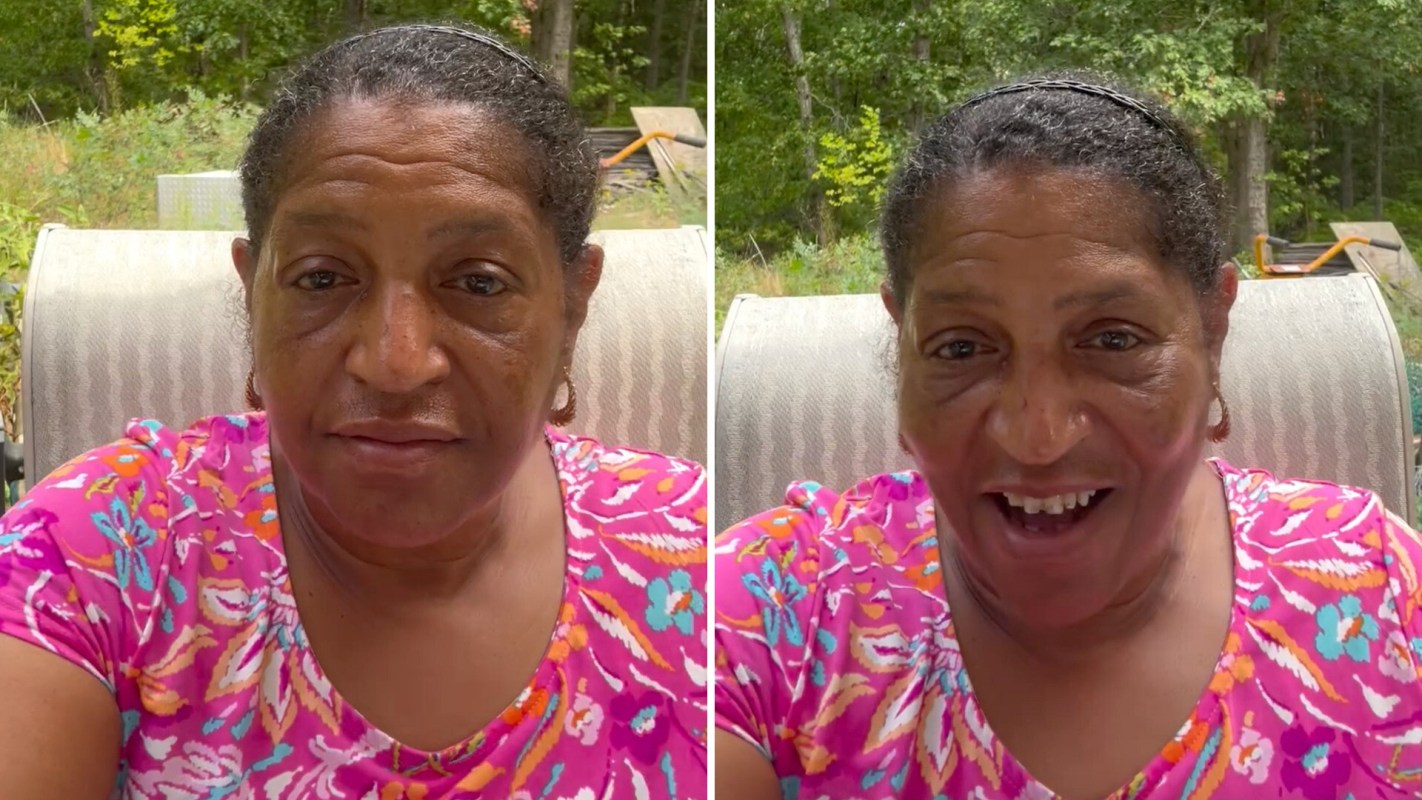
South Jersey resident Dawn Robinson is finding support as she fights Middle Township's effort to use eminent domain to take the 2.4-acre Whitesboro property she says she bought for her family's future.
Middle Township wants the land for a 340-home development, and the dispute has become a flashpoint over property rights, redevelopment, and the pressure historically Black communities can face when land values begin to rise.
Here's what to know
Township officials want the parcel for the Indian Trail Redevelopment project, a proposal that would bring 340 homes to the area through NVR Inc., the parent company of Ryan Homes, according to WHYY News.
The township has promoted the project as a financial boost. Mayor Christopher Leusner said it would generate millions of dollars in tax revenue and create "a vibrant residential community," WHYY News reported.
Robinson, by contrast, maintained that officials have no legal authority to take private land simply so it can be transferred to a private developer, WHYY News reported.
That position was strengthened in July, when the New Jersey Supreme Court unanimously held in Jackson Township v. Getzel Bee that municipalities cannot use eminent domain to take private property for a developer.
TCD Picks » Quince Spotlight
💡These best-sellers from Quince deliver affordable, sustainable luxury for all




More than 40 supporters gathered outside attorney James Maley Jr.'s office for a rally backing Robinson.
More background
Founded in 1901, Whitesboro is a historically Black community established by people seeking safety from racism in Cape May.
For Mary Ann Degenhart, cofounder of the nonprofit Embracing Race — The Conversation, Robinson's fight reflects a familiar pattern.
"Over the years I've learned how land gets taken away and people of color are denied generational wealth," she said, per WHYY News. "This [rally] felt like a way to stand with her and support her and raise awareness about the issue."
Robinson bought the property for about $40,000 23 years ago. She declined an offer of $47,000, arguing that the increase doesn't come close to reflecting how much land values in New Jersey have risen since then.
The portion of Whitesboro marked for the housing development was rezoned for residential use, a change that allows more homes on smaller lots. A 2020 state Supreme Court ruling indicates rezoning like this can significantly raise a property's market value.
What's being done?
Support has also come from Trenton. WHYY News reported that state Sen. Britnee Timberlake sought a $200,000 appropriation for the Whitesboro Historic Preservation Project's legal defense fund, saying it was meant to protect community members facing eminent domain threats.
Timberlake described the issue as one that could extend well beyond Whitesboro. "It's important to safeguard communities from that type of activity," Timberlake said. "If it can happen to one community it can happen to another." She was even more direct about the broader issue: "Land taking is wrong."
In August, the cofounders of Truth and Record launched a website to publicize Robinson's case and raise money for her legal defense. The campaign helped her retain attorney Jeffrey Brennan before a mediation session, but those efforts did not produce an agreement.
Robinson's case is set to return to Atlantic County Superior Court on Nov. 12.
Where can I learn more?
Robinson's fight in Whitesboro points to a bigger question: What happens when residents try to hold on to land, water, or local control as powerful outside interests move in? These articles look at people facing industrial pollution in New Jersey, corporate pressure on Arizona water supplies, and energy systems that leave households with little say.
• In Camden, N.J., residents pushed a class action after years of scrapyard fires, smoke, and soot.
• In Cochise County, Ariz., residents are fighting back against corporations draining rural water supplies.
• Across the country, communities band together against high utility bills as they challenge powerful energy companies.
Once outside interests start shaping land, water, or energy decisions, residents are left trying to catch up. As Robinson put it, "When government threatens one person's property rights, every community should pay attention."

Get TCD's free newsletters for easy tips, smart advice, and a chance to earn $5,000 toward home upgrades. To see more stories like this one, change your Google preferences here.






