


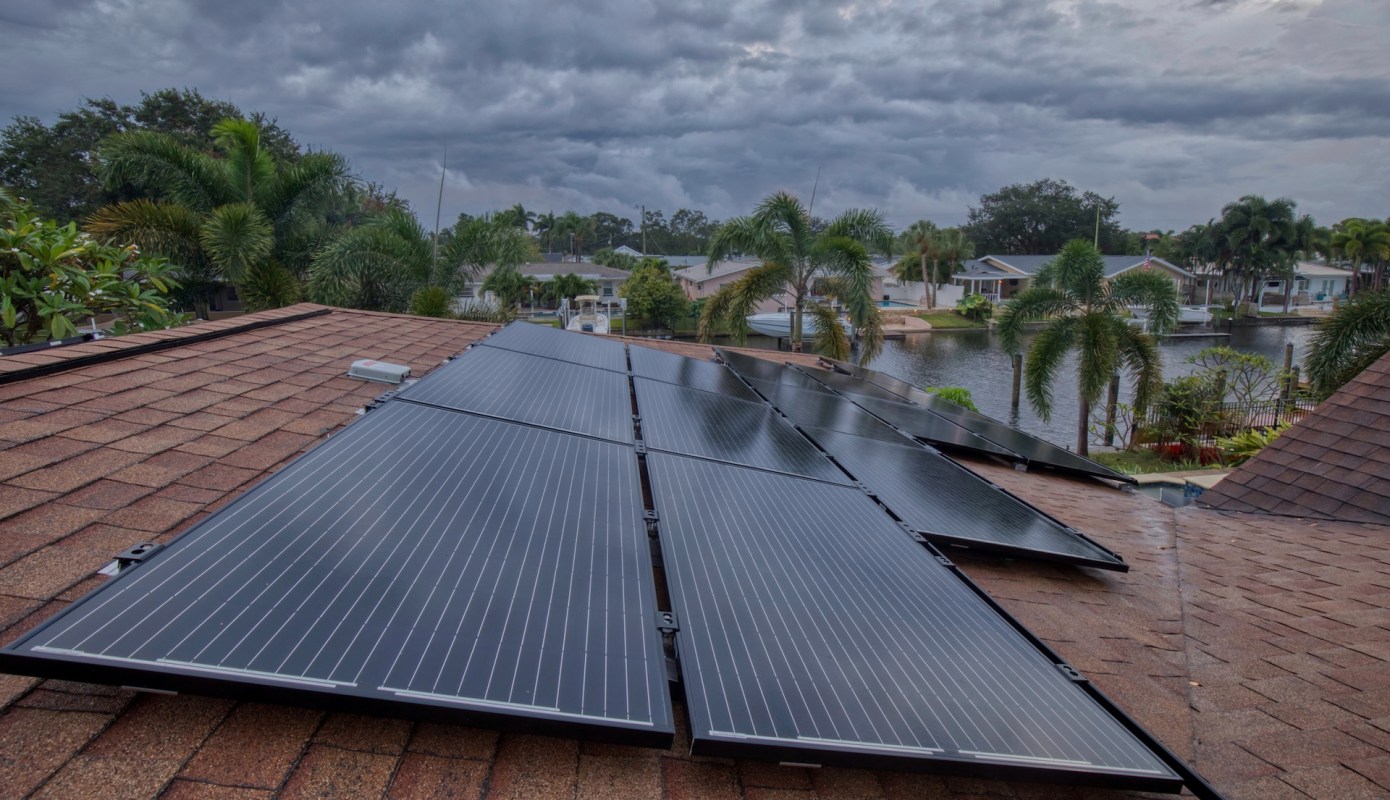
One gloomy, rain-soaked day in the U.K. gave a homeowner an unexpected look at a common fear about rooftop solar.
Here's what to know
In Reddit's r/SolarUK community, a thread captured how one U.K. system handled a notably dreary stretch of weather.
The original poster said this stretch led to their "first bad day in months" and wrote, "Completely grey, raining and miserable. Once the coffee pot has gone off it'll drop the house to just a couple of hundred watts."
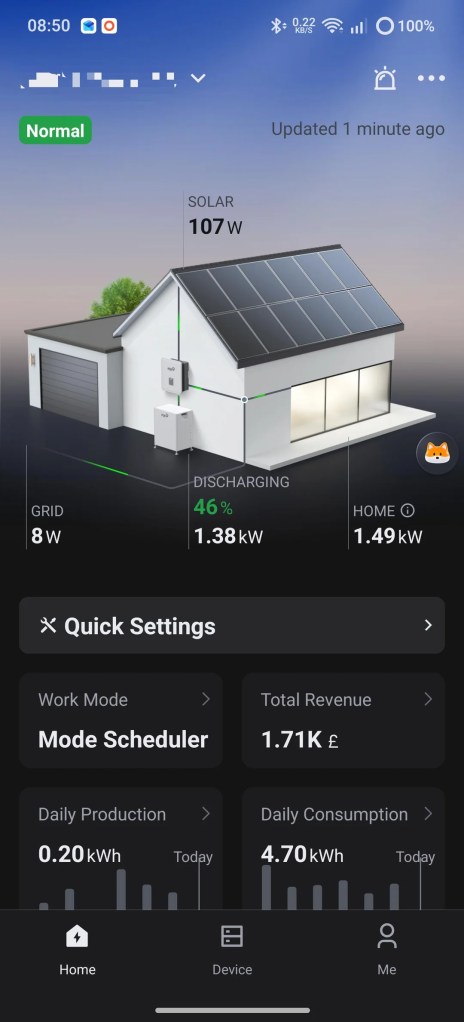
The subsequent discussion suggested that while the weather was cutting the solar generation, it wasn't wiping it out entirely.
In a reply, OP said the system had been producing more than 1 kilowatt before heavier rain knocked it down to about 108 watts.
One user responded, adding, "I'm amazed that even in grey and rainy weather the panels are managing to output anything, but they do."
Another commenter similarly reported continued output, writing, "I'm still impressed it's generating anything and with just me here solo WFH until 15:00, I'd wager the battery will be topped up ready for cooking dinner."
A third wrote, "I'm still astonished at how dark it needs to get before there's zero generation."
Save $10,000 on solar panels without even sharing your phone number Want to go solar but not sure who to trust? EnergySage has your back with free and transparent quotes from fully vetted providers that can help you save as much as $10k on installation. To get started, just answer a few questions about your home — no phone number required. Within a day or two, EnergySage will email you the best local options for your needs, and their expert advisers can help you compare quotes and pick a winner. |

More background
One of the most persistent misconceptions about home solar is that panels stop being useful whenever direct sunlight disappears. In reality, cloudy conditions typically reduce output rather than eliminate it entirely, which can still help power appliances, charge a battery, and cut how much electricity a household needs to buy from the grid.
Of course, a solar array's payback depends on how much it lowers monthly electric bills, how much power gets exported back to the grid, and how much self-generated electricity a household can use during the day. But it should be reassuring that clouds won't indefinitely extend the payback period.
Still, going solar is one of the best ways to save money on home energy over time. If you're considering panels, you can explore EnergySage to get free solar installation estimates and compare quotes. With EnergySage's help, the average person can save up to $10,000 on solar purchases and installations. For anyone still unsure whether solar makes sense, that kind of price transparency can make the decision feel far less intimidating.
Readers can also use EnergySage's solar map, which shows the average cost of a home solar panel system by state, along with details on solar panel incentives for each state.
More From EnergySage
💡Go deep on the latest news and trends shaping the residential solar landscape


Where can I learn more?
If that rainy U.K. example left you curious, these articles dig into the same issue from a few different angles.
• One homeowner saw their first bill after going solar despite weeks of clouds.
• Real-world data showed panels still work in winter even when daylight was scarce.
• Dirty panels can regain some output through rainfall's cleaning power, though the gains vary.
All of that is a good reminder that gloomy skies rarely tell the whole solar story. For homeowners weighing panels or batteries, seeing how these systems perform in the real world can make the costs and savings feel much more concrete.

Get TCD's free newsletters for easy tips, smart advice, and a chance to earn $5,000 toward home upgrades. To see more stories like this one, change your Google preferences here.






