


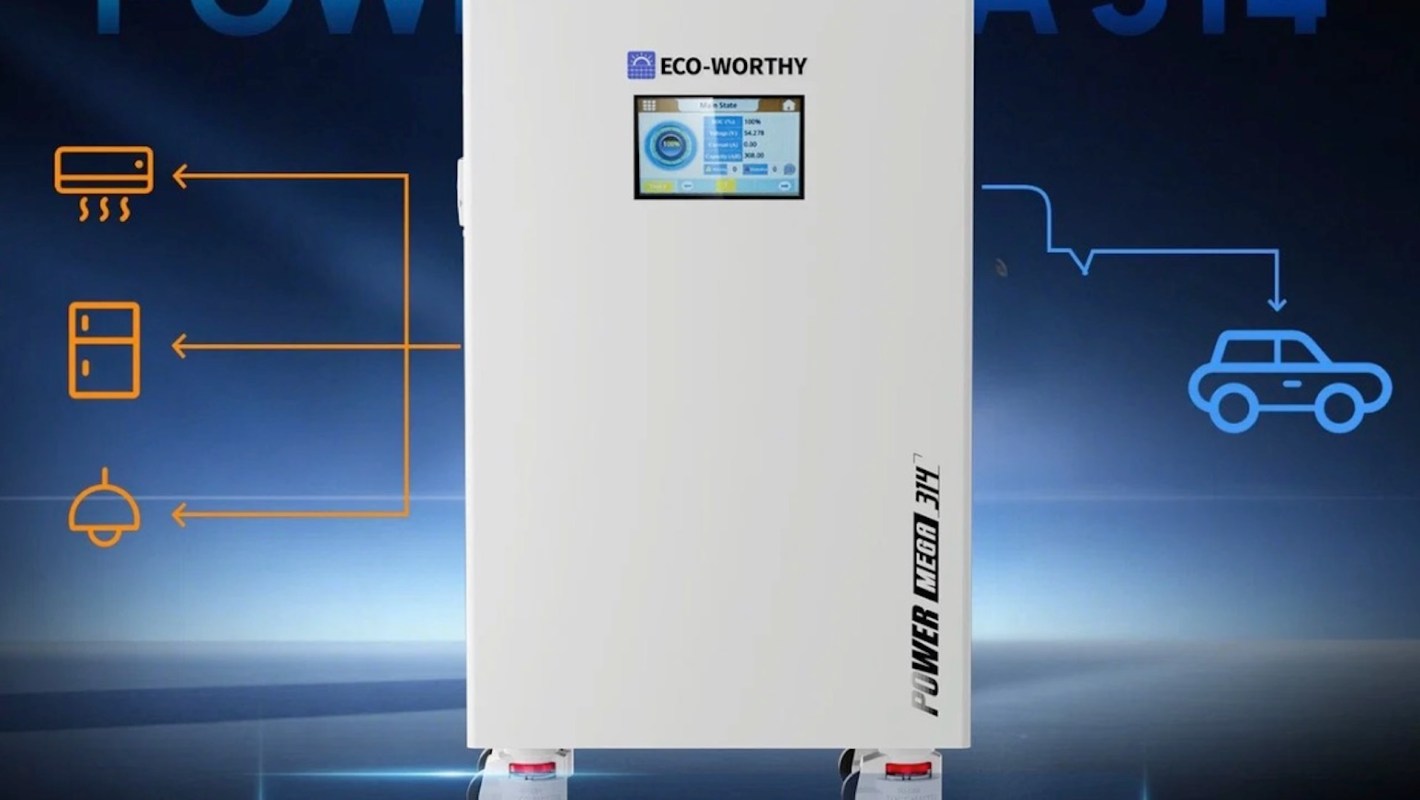
A home battery listing that looked too good to be true prompted a useful reality check for one UK homeowner.
What first seemed like a $2,300 alternative to systems priced around $10,000 (£7,000 - £8,000) turned out to be a classic case of shoppers comparing voltage labels instead of actual stored energy.
Here's what to know
The big question raised on Reddit's r/UKSolar forum was whether opting for 50V batteries makes more financial sense than 240V batteries. The original poster wrote, "Can't work this one out so hoping some experts might weigh in. There seem to be loads of really cheap 50v battery systems with huge capacity."
OP then asked, "Why are so many installations using 240v systems when 50v is so much cheaper?"
The first correction from commenters was that the numbers were not measuring the same thing. As one commenter put it, "Remember that a 50V 314 Ah battery is a very different beast to a 240V 314 Ah battery - about 5x the storage."
Another commenter explained, "You use a DC 50v battery with an inverter. The inverter may or may not also have solar panels. This is the most common solution. The 240v battery (AC coupled) means it has an inverter built in, so it is connected directly to the mains."
A third user said, "I think you're getting confused by 48V batteries that you connect to an inverter and an All in One unit with an internal inverter."
More background
The discussion highlighted a common battery backup buying mistake. Voltage and amp-hours alone aren't enough to compare batteries by price, because shoppers also need kilowatt-hour capacity and an understanding of how the system is configured.
Save $10,000 on solar panels without even sharing your phone number Want to go solar but not sure who to trust? EnergySage has your back with free and transparent quotes from fully vetted providers in your area. To get started, just answer a few questions about your home — no phone number required. Within a day or two, EnergySage will email you the best options for your needs, and their expert advisers can help you compare quotes and pick a winner. Solar panels can save you more than $50k over their 25-year lifespan, and EnergySage can help you save as much as $10k on installation. Which begs the question — isn't that worth an email or two? |

Buyers should also compare charge and discharge rates, since a battery with solid total capacity may still be less useful if it cannot deliver enough power during peak demand or an outage. Compatibility with existing solar panels and future expansion can matter, too.
Still, adding battery storage is one of the best ways to protect a home during outages and lower energy bills by storing electricity for later use. It can also help households move closer to going off-grid, or at least reduce their reliance on costly grid power.
For homeowners comparing setups, exploring EnergySage can help you learn about home battery storage options and get competitive installation estimates. EnergySage has teamed up with the electrification brand Qmerit to guarantee you get the best price on home battery storage solutions.
Another option is Pila, whose plug-and-play batteries cost a fraction of what a whole-home backup system would.
Where can I learn more?
That Reddit debate points to a broader issue: battery specs and sticker prices don't always tell you what you're really buying.
• On Reddit, a shopper blasted blatant product labeling that made battery value harder to judge.
• Scientists have found a way to destroy toxic battery-linked chemicals threatening water and soil.
• In England, residents funded the UK's first community-owned battery to capture wasted solar power.
Specs, packaging, and the longer-term environmental fallout can all change how a battery purchase looks once you dig in.

Get TCD's free newsletters for easy tips, smart advice, and a chance to earn $5,000 toward home upgrades. To see more stories like this one, change your Google preferences here.






