


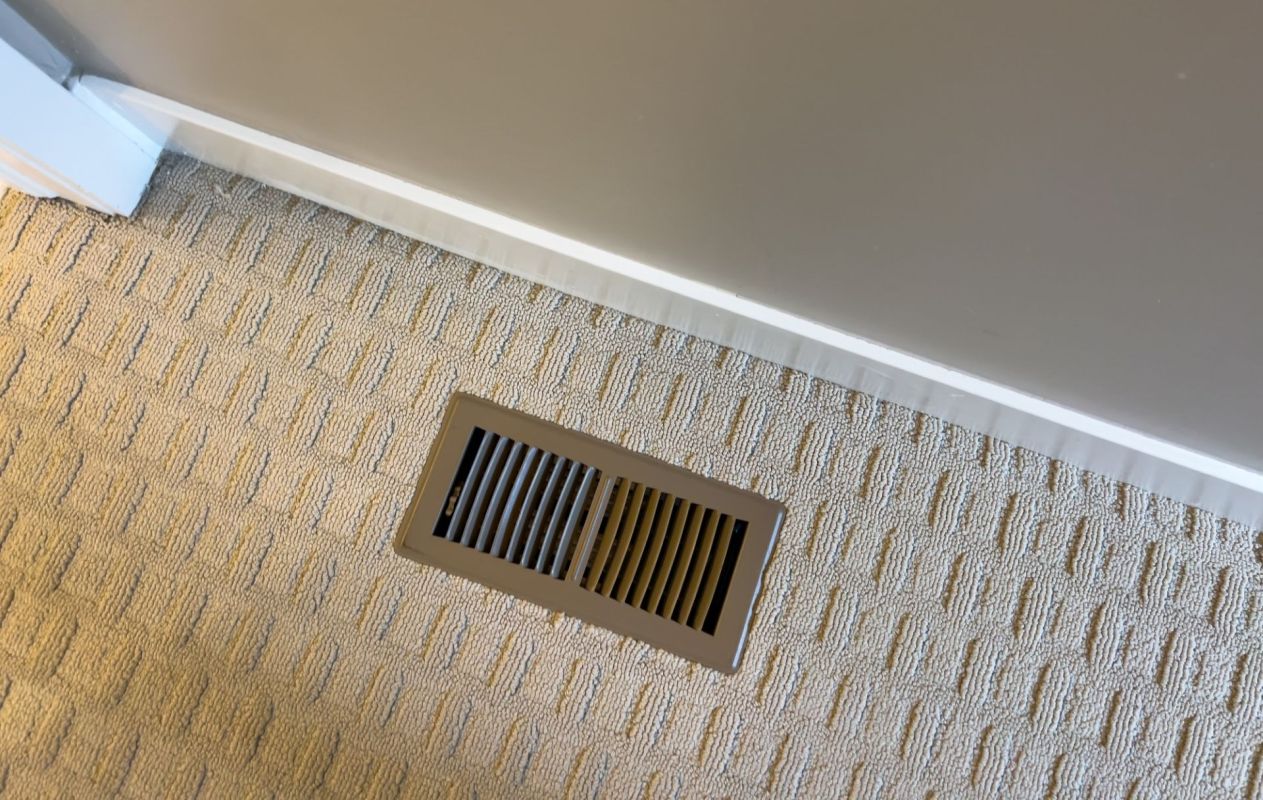
A homeowner turned to Reddit after catching their toddler pouring soapy bath water into a third-floor vent, setting off a familiar home-maintenance panic: Is this a disaster, or just a messy problem that will dry out?
The parent started with basic damage control, and commenters said that may have been the smartest move.
Here's what to know
Before posting in Reddit's r/hvacadvice, the homeowner had already shut off power to the heat pump and furnace and used a wet/dry shop vac to pull out about half a gallon of water. They wrote that their child had used "a bath rinsing scoop to pour soapy bath water down a floor air vent" and asked, "How bad is this, and what do I do next?"
They also kept the bathroom ceiling exhaust fan running to help remove moisture, and the ceiling below still showed no leaks or sagging.
Several commenters said the main concern was drying the ductwork quickly rather than letting moisture linger.
One user wrote, "Best thing you can do at this point is to actually run the system and dry that duct out as fast as possible."
TCD Picks » Quince Spotlight
💡These best-sellers from Quince deliver affordable, sustainable luxury for all




Another user agreed, "Yep this is the best advice you will get."
More background
That prompted the original poster to ask which setting made more sense.
"Thanks! Should I crank up the AC or the heat?" they wrote. "Seems like AC would probably dry out the air the best, right?"
The replies were split.
One user wrote, "A/c would be better yes."
Another user argued that "fan/heat would dry it faster" and added that "the air coming out of your AC coil is cold and nearly at 100% relative humidity."
Another commenter focused on the vent type and asked whether it was a supply or return.
The original poster answered, "supply vent," which led to a warning to check the cabinet area and circuit boards for water.
What can be done?
The first step is straightforward triage: remove as much water as possible, inspect nearby ceilings or walls for leaks, and determine whether the vent is a supply or return.
From there, restoring airflow may be more helpful than keeping the entire system off for too long, since trapped moisture can create bigger problems than the original spill.
In this case, the original poster ultimately wrote, "Cool. I've cranked up the ac and set the fan to remain on constantly."
Check the air handler or furnace cabinet to see whether water may have traveled deeper into the system. If there are signs of dripping, sagging drywall, or water near circuit boards, that is when a professional inspection may make more sense.
Where can I learn more?
Since the main advice here was to dry the ductwork fast and avoid trapped moisture, the most helpful follow-up reading focuses on HVAC settings, drains, and other easy-to-miss water trouble spots. They cover how homeowners handle damp air, clogged AC components, and subtle leaks before they become bigger repairs.
• On TikTok, one homeowner found that cleaning AC unit drains improved airflow and efficiency.
• On TikTok, a frugal homeowner said using AC dry mode cut humidity and mold.
• After a quick tune-up, one resident found cleaning the air conditioner made a phenomenal difference.
• Home service pros say detecting hidden plumbing leaks early has saved customers thousands of dollars.
• A realtor showed that a blue-dye toilet test can expose silent leaks before bills rise.
A little water in a vent may dry out without much fuss, but situations like this are a good reminder that small HVAC and plumbing issues can escalate fast. A quick check of airflow, drainage, and any signs of hidden leaks can go a long way.

Get TCD's free newsletters for easy tips, smart advice, and a chance to earn $5,000 toward home upgrades. To see more stories like this one, change your Google preferences here.






