


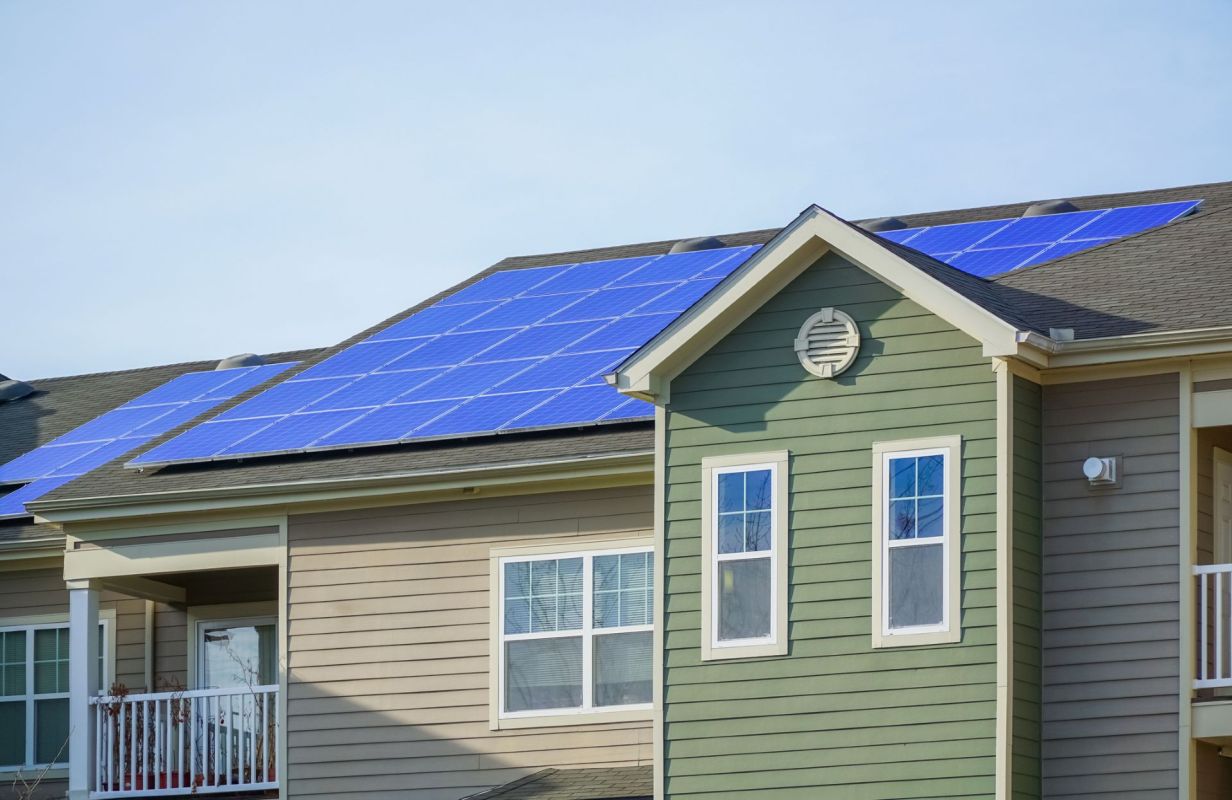
Questions about the economics of home solar came into focus when a homeowner near Charlotte, North Carolina, posted to Reddit's r/Solar community after buying a Tesla and wondering whether rooftop panels would save enough money to justify the investment.
The conversation that followed highlighted an important distinction for people hoping to charge an electric vehicle with solar power and perhaps even go off-grid someday.
Here's what to know
In the discussion, the original poster described their sunny property with major roof sections facing south and west, then asked why solar appeared to take so long to pay for itself.
They wrote that solar "doesn't seem to pay off for many, many years" and asked others to enlighten them.
One of the main points raised in the replies was that solar panels by themselves are a different financial proposition than solar paired with battery storage.
"That math is off. The ROI for just solar can be 6-13 years. If you add a battery, then OK yeah, the math gets more messy, but solar itself is good," one commenter said. That distinction was relevant because the OP mentioned that they had been thinking about batteries as part of a plan to get "off grid completely."
Other commenters pushed back on the economics. One said batteries were difficult to justify even in an area with frequent outages, while another said they could make more sense in Texas because of free-night electricity plans.
"The 'makes sense' depends on exactly two things: the price of electricity in your area and the cost of installing a system that offsets the electricity cost with solar. That part is really simple. It doesn't always work if you have access to very cheap energy or if you overpay for installation," one person wrote.
Save $10,000 on solar panels without even sharing your phone number Want to go solar but not sure who to trust? EnergySage has your back with free and transparent quotes from fully vetted providers that can help you save as much as $10k on installation. To get started, just answer a few questions about your home — no phone number required. Within a day or two, EnergySage will email you the best local options for your needs, and their expert advisers can help you compare quotes and pick a winner. |

More background
Part of the confusion around payback came from treating panels and batteries as the same purchase. Solar panels that offset a home's normal electricity demand may become financially worthwhile relatively quickly, while batteries add upfront cost and are often chosen more for resilience, outage protection, or energy independence than for direct monthly savings.
As the commenters explained, there is no one-size-fits-all answer because utility rates, household consumption, net metering policies, shade, roof orientation, and installation cost all shape the final result. That reality helps explain why two homes in the same state or area can end up with very different outcomes.
If you're comparing options, EnergySage lets homeowners get free solar installation estimates and compare quotes in one place. With EnergySage's help, the average person can save up to $10,000 on a solar purchase and installation.
And EnergySage's solar map, which shows the average cost of a home solar panel system by state along with solar incentives in each state, can help readers get the best price for rooftop solar panels and access available incentives.
More From EnergySage
💡Go deep on the latest news and trends shaping the residential solar landscape

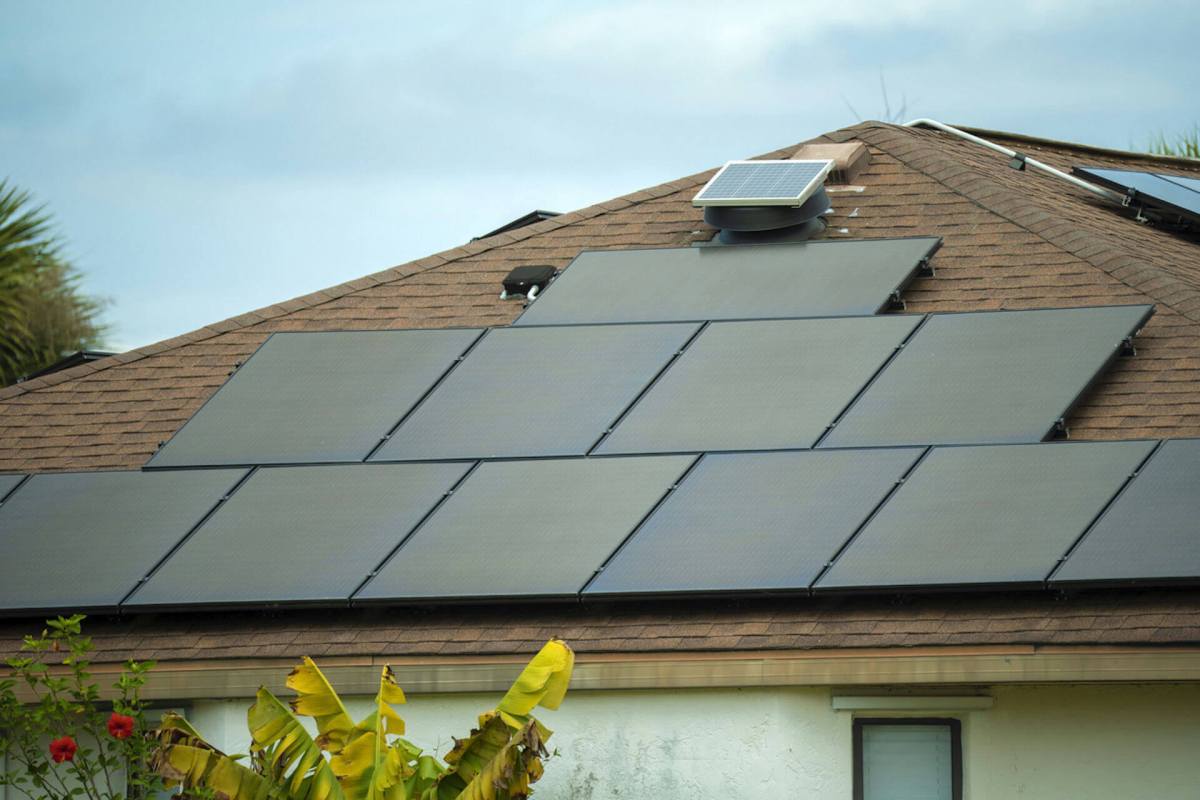

For homeowners mainly trying to reduce electricity bills, a solar-only system may present the clearest financial case. Once backup power or an off-grid setup becomes the goal and battery storage enters the equation, the payback timeline is often different. Still, homeowners who want to back up their homes can check out EnergySage for information about home battery storage options, including competitive installation estimates.
Where can I learn more?
A few stories get at the same issue from different angles: what helps home solar pay for itself and what tends to make the numbers harder to justify.
• Homeowners reap grid revenue each month when pairing solar roofs with Powerwalls.
• Tesla's inverter design drove down panel costs and trimmed bills by thousands of dollars.
• IronRidge and Tesla reduced rooftop solar costs with a simple residential mounting system.
If you're trying to choose between a straightforward solar setup and a pricier battery-backed one, these articles help put the trade-offs in plain terms.

Get TCD's free newsletters for easy tips, smart advice, and a chance to earn $5,000 toward home upgrades. To see more stories like this one, change your Google preferences here.






