


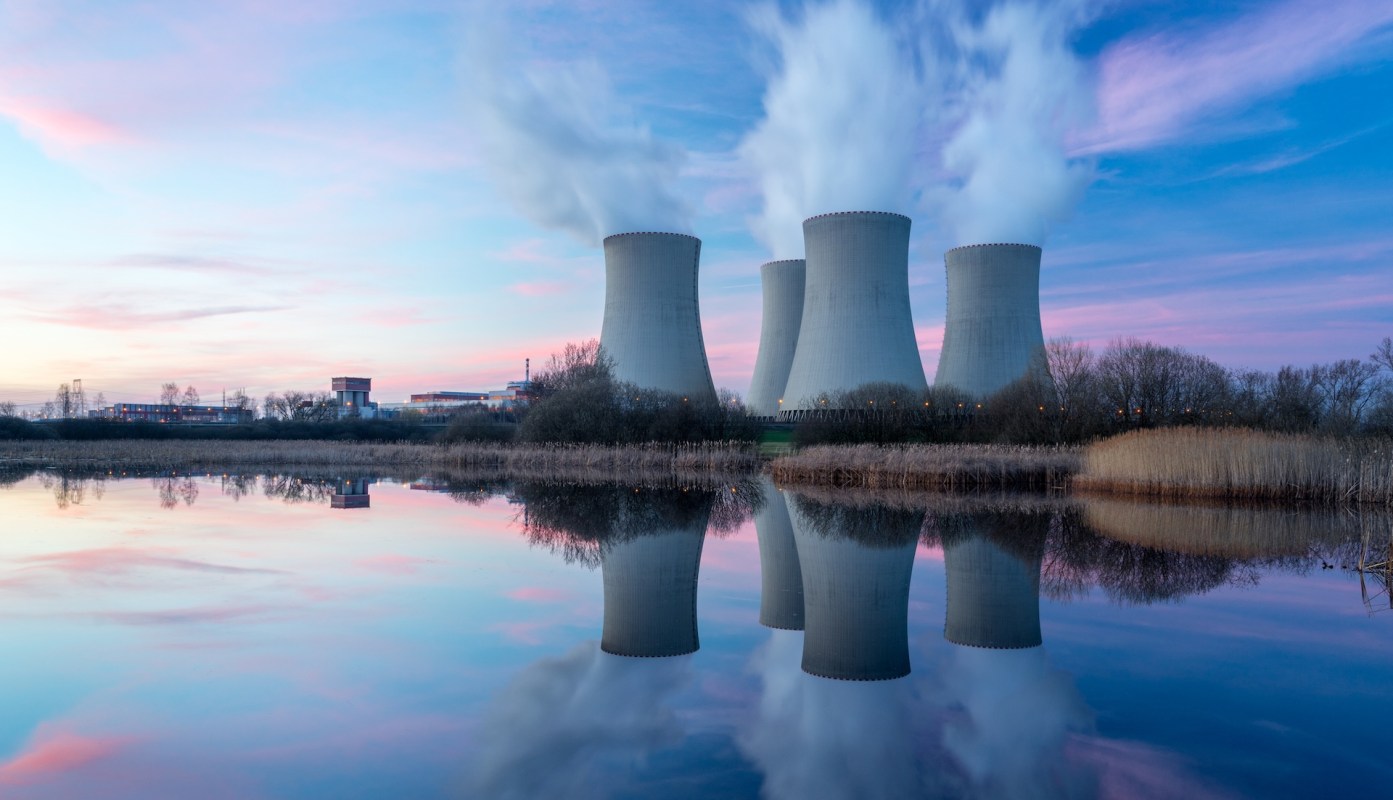
Federal support worth nearly $2 billion could bring Iowa's retired Duane Arnold nuclear station back into service, as tech companies seek more power to handle fast-rising electricity demand from artificial intelligence.
Under current plans, the Duane Arnold Energy Center — offline since 2020 — would resume operations in early 2029.
Here's what to know
According to the Department of Energy, NextEra Energy has been approved for up to $1.9 billion in financing to return the 615-megawatt Duane Arnold plant to operation, as Interesting Engineering reported.
Its output is expected to power nearly 500,000 homes, and the added generation would also help supply Iowa's expanding cloud and AI infrastructure.
Before closing, Duane Arnold had produced electricity for more than 45 years. A derecho that damaged the facility caused the 2020 shutdown to happen earlier than expected.
If the schedule holds, Duane Arnold would become Iowa's only operating nuclear plant while returning a large source of around-the-clock power to the regional grid.
TCD Picks » Quince Spotlight
💡These best-sellers from Quince deliver affordable, sustainable luxury for all




Nuclear plants can provide steady, low-carbon power without the air pollution tied to fossil fuels. At the same time, nuclear energy remains costly to build or restart, and the industry still faces longstanding concerns over radioactive waste, plant safety, and the handling of materials that can raise weapons-proliferation questions.
Deputy Energy Secretary James Danly said the financing "marks another step in advancing America's nuclear renaissance."
More background
One of the biggest reasons for the restart is strong demand from major tech companies.
That demand became concrete in October 2025, when Google and NextEra announced a multi-year agreement under which Google would buy electricity from the plant. The arrangement gives Google a reliable power source for its Iowa cloud and AI operations and provides NextEra with a major committed customer.
The agreement points to a larger shift. Advanced AI systems rely on data centers that consume enormous amounts of electricity, and companies including Google, Microsoft, Amazon, and Meta are all adding infrastructure to support that work.
As a result, nuclear energy — once viewed by some as too expensive or politically difficult — is drawing renewed interest because it can operate continuously regardless of weather conditions.
Separately, Google has pledged another $7 billion in Iowa over two years for new and expanded infrastructure connected to its cloud and AI businesses.
Projects like this can bring more grid capacity, construction jobs, and business investment, though they can also increase electricity demand and reignite debate over which energy sources should meet it.
What's being done?
More broadly, the Duane Arnold financing fits into a wider federal effort to speed nuclear development.
President Donald Trump signed several executive orders in 2025 to speed up nuclear development in the U.S.
Officials say the government-backed loan is meant to pay for the work required to restore the plant and reconnect its electricity to the grid.
Other projects have received similar backing, including a $1 billion Energy Department loan in 2025 for the Microsoft-backed restart of Pennsylvania's Crane Clean Energy Center, formerly known as Three Mile Island Unit 1.
The Energy Department has said restarting the project could add electricity supply and help lower power costs.
Still, whether those benefits materialize will depend on the plant staying on budget, meeting safety requirements, and coming online as planned.
In a blog post, Google said, "We expect Duane Arnold to be back online in early 2029, and the plant will provide more than 600 MW of clean, safe, 'always-on' nuclear energy to the regional grid."
Where can I learn more?
The proposed restart at Duane Arnold is part of a scramble for steady nuclear power as data centers and AI systems drive up electricity demand. That debate now reaches beyond large traditional reactors to coal-to-nuclear conversions and newer designs that could change how utilities add around-the-clock generation.
• In Georgia, Georgia Power's new nuclear reactor is set to supply roughly 1 million homes.
• Across the U.S., 80% of coal plants could be converted into future nuclear power sites.
• The trade-offs in how nuclear energy works remain central as utilities chase steady electricity.
• In the U.S., smaller nuclear reactors still face major cost and timing concerns.
• Developers say molten salt reactors could deliver safer, more flexible nuclear power within a decade.

Get TCD's free newsletters for easy tips, smart advice, and a chance to earn $5,000 toward home upgrades. To see more stories like this one, change your Google preferences here.






