


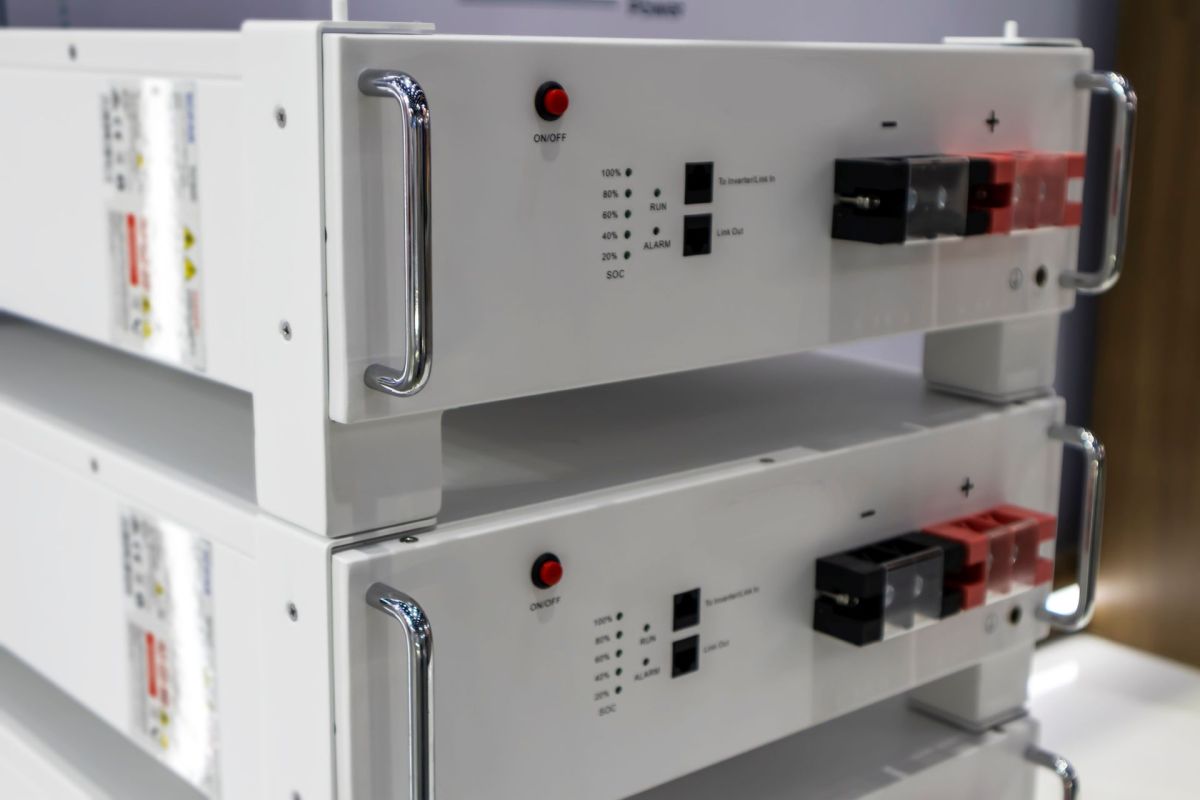
Australian households considering home battery storage may be starting with the wrong question.
Buyers should assess the energy equipment they already have at home before comparing brands or battery specs. That includes existing rooftop solar, the inverter, and any EV charger already in the mix.
Here's what to know
The issue, as SolarQuotes reported, is that many battery conversations start with product preferences before anyone examines the home the battery has to serve.
The first question should be straightforward: "What do you already own?"
Answering that means reviewing the current solar array, the inverter already installed, whether there is an EV at home, and which appliances need backup power. A battery that suits one household may not suit another if there is too little solar to charge it well, the inverter is close to needing replacement, or the rest of the equipment will not work together smoothly.
Adding battery storage can be one of the best ways to protect a home during outages, since it can keep critical devices and appliances running when the grid goes down. It can also help lower electricity bills by storing excess solar power for nighttime use while moving households closer to energy independence.
If you're exploring home battery storage, EnergySage can be a useful place to compare options and get competitive installation estimates. EnergySage has also teamed up with the electrification brand Qmerit to guarantee you get the best price on home battery storage solutions.
Fit between components can be more important than flashy headline numbers. When the hardware is compatible, the system can be easier to monitor, easier to manage, and less prone to avoidable problems.
Save $10,000 on solar panels without even sharing your phone number Want to go solar but not sure who to trust? EnergySage has your back with free and transparent quotes from fully vetted providers in your area. To get started, just answer a few questions about your home — no phone number required. Within a day or two, EnergySage will email you the best options for your needs, and their expert advisers can help you compare quotes and pick a winner. Solar panels can save you more than $50k over their 25-year lifespan, and EnergySage can help you save as much as $10k on installation. Which begs the question — isn't that worth an email or two? |

More background
The best choice depends heavily on the other devices a person already uses. Home battery decisions should be approached the same way.
Online discussions often center on "the brand the replier bought" or on "dollars per kWh," instead of focusing on how a battery will actually operate in a particular home.
"A 6.6 kW system from 2016 will not fill a 20 kWh battery in June in Adelaide, never mind charge an EV on top," said SolarQuotes.
In that kind of situation, as the SolarQuotes post put it, "Sometimes the right answer to 'which battery' is 'more panels first.'"
The article also explained the difference between AC-coupled and DC-coupled batteries.
"A top-quality inverter with years of warranty left points to AC coupling: leave it alone and add a battery beside it. An old string inverter from a brand that has abandoned the lucky country points to DC coupling with its own solar inverter," SolarQuotes said.
An energy brand's ecosystem can vanish along with the company itself. If that happens, SolarQuotes said, "Its app, its cloud, its firmware updates and its warranty all go together."
What can be done?
A capable installer should start by asking about the solar system already in place, the inverter model, any EV plans, and which appliances you want available during everyday use and in a blackout.
Battery storage can do far more than provide emergency backup. It can help households avoid expensive evening electricity, use rooftop solar more effectively, and gain more control over their energy use. When the system is properly sized, those benefits are much more likely to show up on monthly bills.
Pila offers another battery backup option, and its plug-and-play batteries are priced at a fraction of what a whole-home backup system would cost.
And when it comes to evaluating installers, the advice was even more direct: "If nobody's asked you yet, you haven't met a good installer."
Where can I learn more?
A battery decision works best when it's made in the context of the rest of your home energy setup. The articles here cover other pieces of that picture, from financing and bundled solar-and-storage offers to portable backup options and utility-scale battery advances.
• SunPower and Palmetto are offering batteries without upfront costs for homeowners adding backup.
• Bluetti has unveiled next-gen battery tech aimed at keeping essential home appliances running.
• XL Batteries says its flow battery costs could fall enough for broader storage.
All of that helps explain why choosing a battery usually comes down to more than the hardware itself. Cost, software, and the rest of the system can all determine whether storage pays off the way homeowners expect.

Get TCD's free newsletters for easy tips, smart advice, and a chance to earn $5,000 toward home upgrades. To see more stories like this one, change your Google preferences here.






