


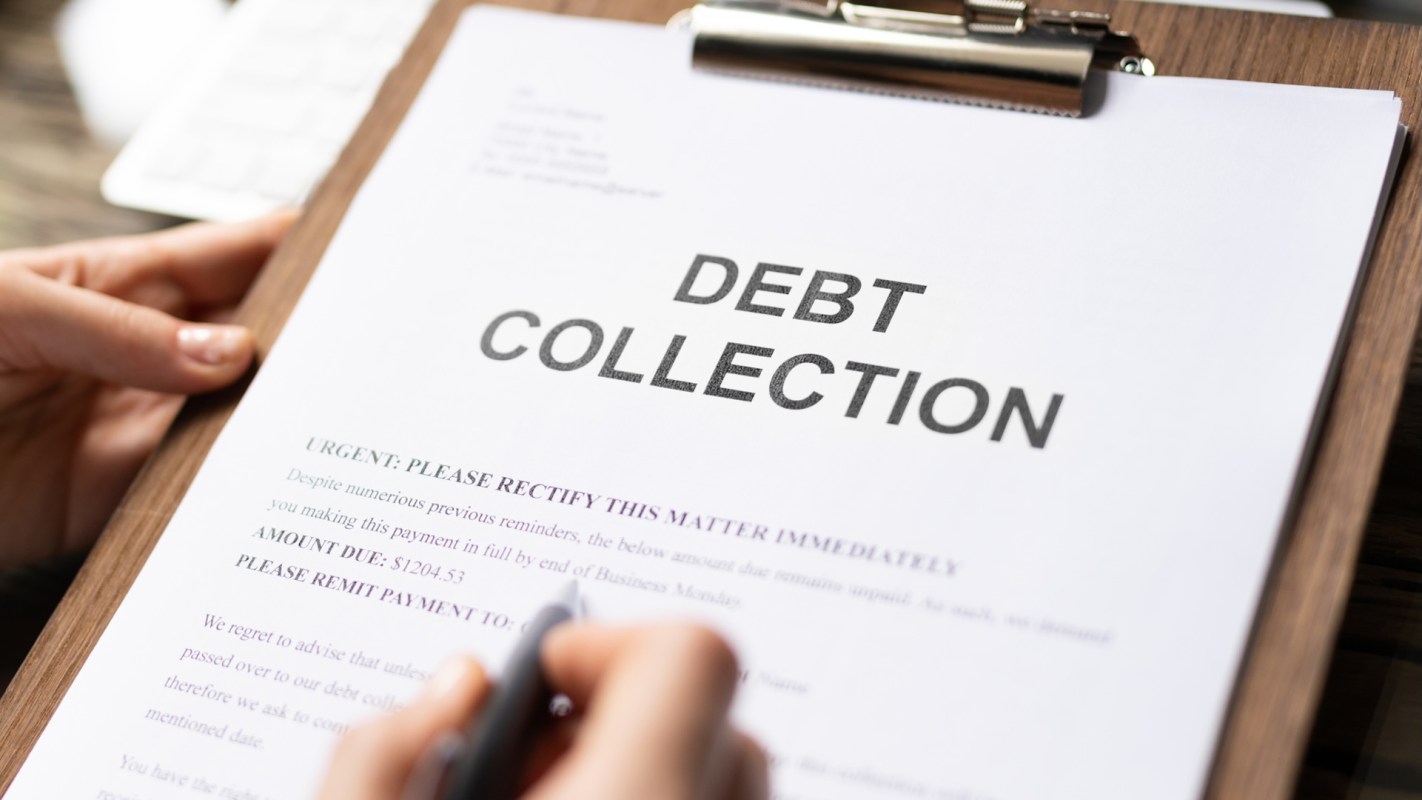
Rising credit card balances are putting additional strain on households in the United States and increasing the chances that some overdue accounts will wind up with debt collectors.
When a collector offers to settle, the proposal can seem like a chance to finally move on from the debt. But you shouldn't automatically treat that opening number as the best available resolution.
Here's what to know
According to CBS News, U.S. credit card debt grew by $21 billion in the second quarter of 2026, bringing the total to $1.26 trillion. Delinquency rates are also rising, which increases the odds that unpaid card balances will be sent to collections.
Once an account is in collections, some borrowers may be able to close it out for less than the full balance. Collectors sometimes propose a discounted one-time payment or another settlement plan, and for someone short on cash, that can feel like the fastest way to resolve the account.
If accepting the offer would leave too little for basics like housing, groceries, or other necessary bills, countering with a smaller amount may be the safer move.
More background
Debt that has already gone to collections can become even more stressful if handled poorly. A borrower who agrees to terms they cannot realistically afford may end up back in financial trouble, even after trying to settle.
TCD Picks » Quince Spotlight
💡These best-sellers from Quince deliver affordable, sustainable luxury for all




Before agreeing to anything, confirm that the debt is accurate and understand exactly what the collector is offering. That includes how much you would pay, when the payment is due, and whether the remaining balance would be fully forgiven once the agreement is completed.
Get every detail in writing before sending money. A verbal promise may not offer much protection if a dispute later arises over whether the account was fully resolved.
With several collection accounts, the decision can become even more complicated. Using limited cash to settle one debt could leave too little to deal with others.
What can be done?
If you have only one collection account and have already set aside funds, handling the talks personally may be enough. In that case, it can help to start with an amount you can truly afford, either as a single payment or in installments, instead of agreeing to terms that may cause new financial strain.
People dealing with multiple unsecured debts, or those who do not want to negotiate themselves, may consider a debt relief company. These companies often work on behalf of clients to reduce balances, sometimes by 30% to 50%, while the client saves money for settlements.
That route has downsides, though. Debt relief companies charge fees, creditors are not required to agree, and interest, fees, or other collection efforts can continue while negotiations are underway — including, as CBS News noted, the possibility of a lawsuit.
Where can I learn more?
These stories look at the financial system around borrowing, payments, and risk. Even though debt settlement is not the main subject, they show how card companies and central banks are responding to pressures that can affect the cost and stability of household finances.
• Mastercard plans to use recycled materials in payment cards as plastic waste draws scrutiny.
• In South Korea, regulators warn climate risk could hit banks with mounting financial losses.
• In South Africa, the reserve bank says cryptocurrency remains a significant concern as regulation lags.
For anyone following debt and collection issues, those developments offer a broader look at the institutions behind credit, payments, and financial risk. Seeing that bigger picture can help explain the conditions that shape borrowing decisions and repayment challenges.

Get TCD's free newsletters for easy tips, smart advice, and a chance to earn $5,000 toward home upgrades. To see more stories like this one, change your Google preferences here.






