


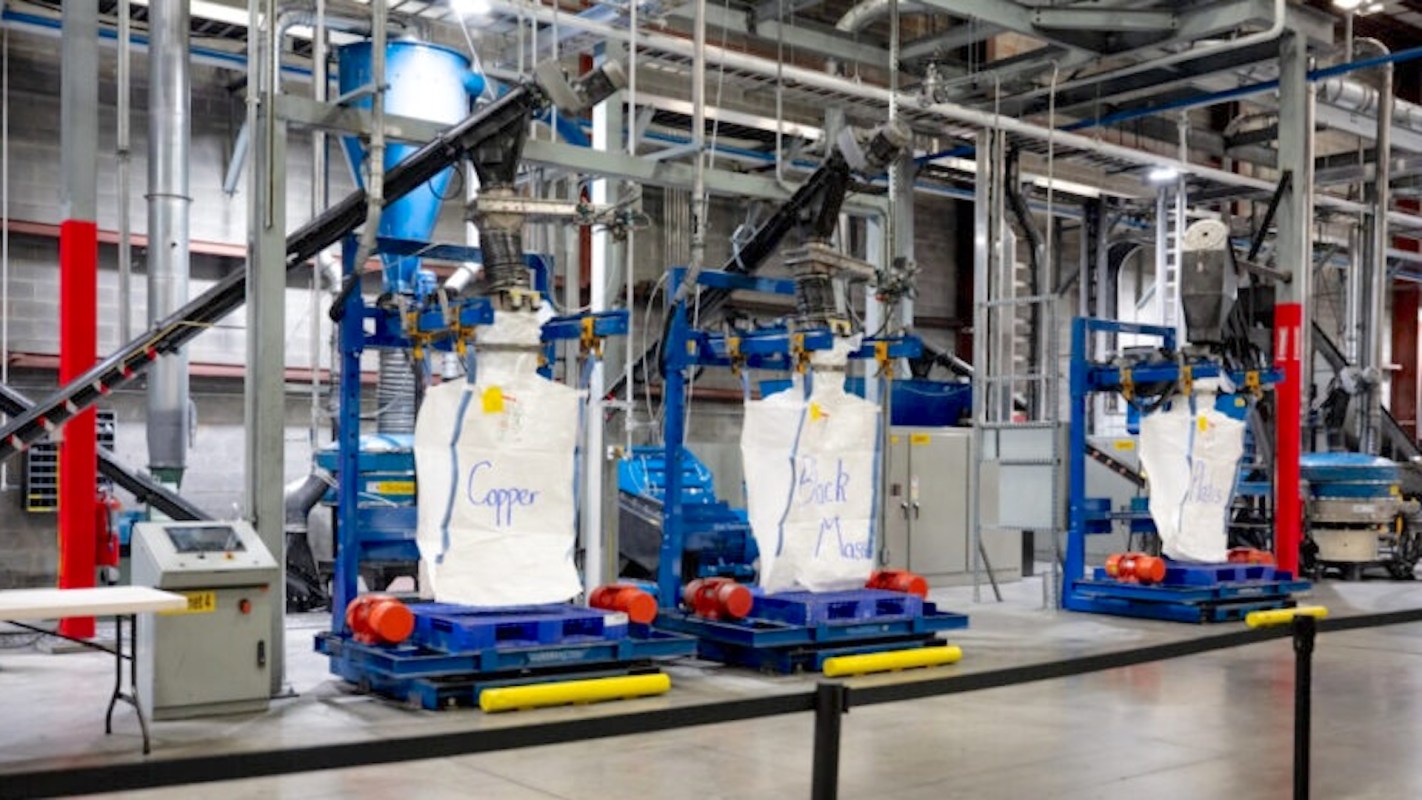
A battery recycling facility in Covington, Georgia, is set to resume operations under new ownership, a move that could bolster the United States' access to a key material used in electric vehicle batteries.
R3 Lithium is now stepping into public view as it takes over the former Ascend Elements site and prepares to make new lithium carbonate from spent battery material at commercial scale.
Here's what to know
R3 Lithium acquired the Covington site on July 26 and formally announced the start of operations on September 10, according to CleanTechnica. R3 said the plant had already been built with approximately $150 million in prior investment.
Before R3's takeover, Ascend Elements operated the Covington facility, which later filed for Chapter 11 bankruptcy. In a LinkedIn post dated April 9, Ascend Elements President and CEO Linh Austin said the company was facing "longstanding financial issues and outstanding liabilities" that predated his tenure.
R3 also said it retained the same leadership team behind the facility's earlier production milestone, including Austin as CEO. Ascend co-founder Eric Gratz is now serving as R3's chief technology officer.
R3 said it launched with $15 million in Series A funding and more than $1 billion in offtake contracts, including an agreement with Trafigura.
TCD Picks » Quince Spotlight
💡These best-sellers from Quince deliver affordable, sustainable luxury for all




More background
Lithium is essential for EV batteries, and its importance is growing in stationary energy storage systems that help homes, businesses, and utilities maintain power during outages and times of high demand.
Recovering more of that material within the U.S. could lessen supply-chain pressure for backup power, local storage projects, and cleaner electric grids built to hold up better during extreme weather.
R3 said its process is fully onshored, with lithium carbonate recovered and refined from recycled black mass at one location rather than relying on primary mining or foreign refining, according to CleanTechnica. The plant includes 33,069 US tons (30,000 metric tons) of shredding capacity plus one 2,756-US-ton (2,500-metric-ton) lithium carbonate production line, with room for a second line of the same size.
What's being done?
R3 said the new funding will go toward upgrading the site's lithium carbonate line, which it described as "the first in US History to produce 99% purity lithium carbonate from 100% recycled content at production scale," according to CleanTechnica.
The company expects the Covington facility to be fully ramped and said that it could account for more than half of U.S. lithium carbonate production. It also pointed to added value in byproducts from the recycling process, including concentrated nickel, cobalt, manganese, and graphite.
R3 said this is only the beginning, outlining a broader modular buildout in North America and Europe for lithium carbonate production and black-mass shredding, to proceed only once offtake agreements are in place.
As Austin wrote, "Demand for high‑quality battery materials such as recycled lithium carbonate and pCAM is enormous and growing, and we have already demonstrated commercial‑scale production at our Covington, Georgia facility."
Where can I learn more?
What's happening in Covington is part of a much bigger effort to shore up battery supplies through recycling and better manufacturing. These articles explore how companies and researchers are recovering valuable metals, extending battery life, and easing demand for newly mined lithium.
• Battery makers are scaling closed-loop batteries made from recycled metals to keep critical materials in circulation.
• Utilities could soon gain energy storage systems from old EV batteries instead of scrapping them early.
• Japan's Proterial is pursuing a groundbreaking new technique to improve lithium-ion battery production.
Across these developments, the same theme keeps coming up: battery supply chains are changing from several directions at once, from recycling plants to new production methods.

Get TCD's free newsletters for easy tips, smart advice, and a chance to earn $5,000 toward home upgrades. To see more stories like this one, change your Google preferences here.






