


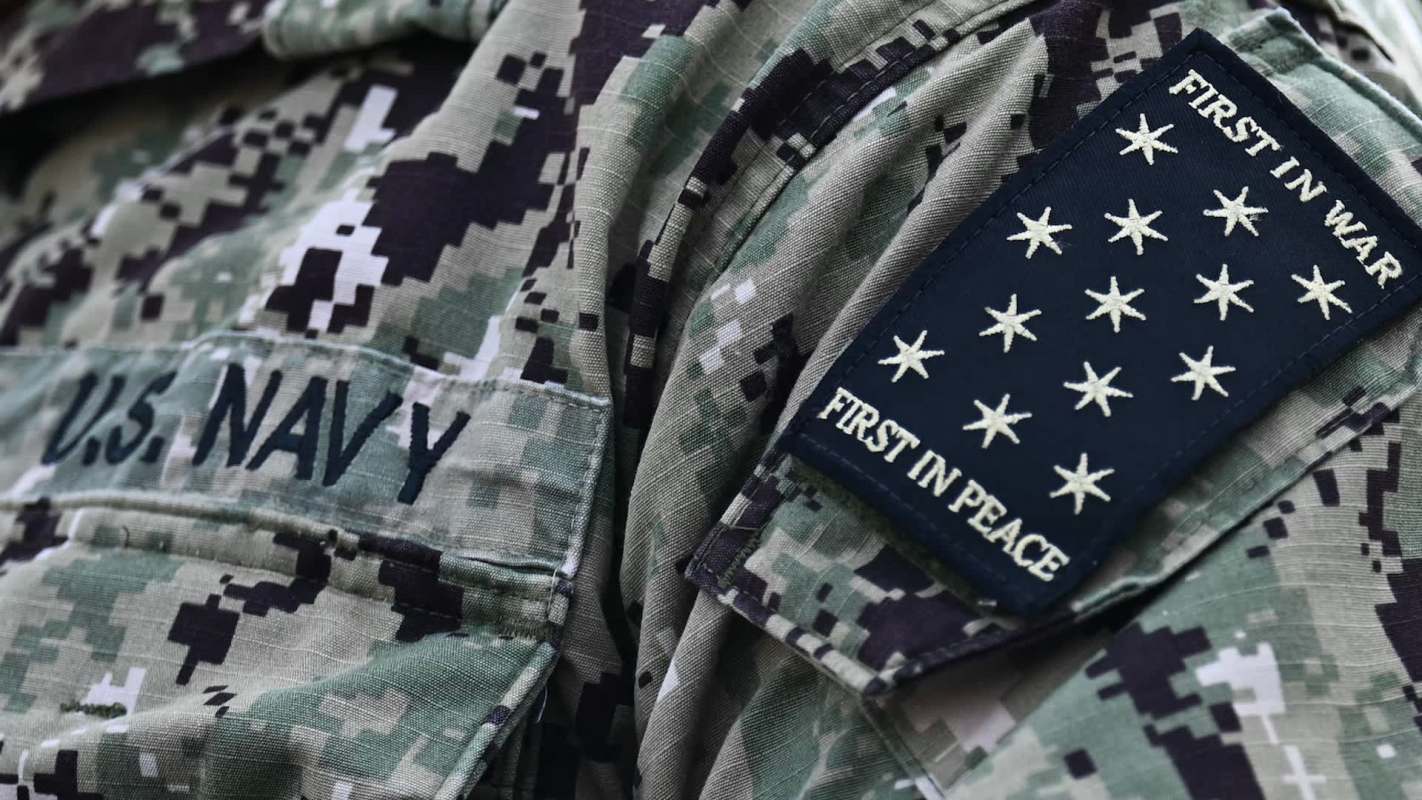
While the United States Navy has long used nuclear energy to power its aircraft carriers and submarines, the armed services branch could soon get its first shore-based nuclear reactor.
Here's what to know
The U.S. military has announced plans to install an advanced nuclear microreactor at Naval Weapons Station Crane in Indiana. The microreactor would be the Navy's first shore-based reactor and the first nuclear reactor used to generate electricity in Indiana, according to Interesting Engineering.
The microreactor would keep essential operations powered if the public power grid becomes nonoperational.
Government officials said that the project remains on track for deployment by September 2028.
Under the plan, the reactor would be located at Naval Weapons Station Crane but owned and run by a private company, per Interesting Engineering.
For the Navy, the Crane reactor is meant to make shore facilities less vulnerable to interruptions on the commercial grid.
TCD Picks » Quince Spotlight
💡These best-sellers from Quince deliver affordable, sustainable luxury for all




"We are unleashing the American nuclear industrial base to ensure our military installations possess the resilient infrastructure required to maintain uninterrupted operations," said Emil Michael, Under Secretary of War for Research and Engineering, as quoted by Interesting Engineering.
More background
Though microreactors are much smaller than conventional nuclear plants, they can still provide enough power to keep key military installations operational if the civilian power grid comes under threat or experiences other interruptions.
The project has not been without its critics. Even smaller advanced reactors can raise concerns about radioactive waste, safety, security, and steep upfront costs.
Nuclear technology also draws added scrutiny because of its connection to sensitive materials and proliferation risks.
Still, the Crane microreactor could become a template for future national-security-related nuclear power projects, according to government officials.
"Energy security is warfighting capability. Hosting the Navy's first shore-based advanced microreactor at NWS Crane under the Janus Program underscores our commitment to hardening our shore infrastructure against evolving physical, cyber, and grid vulnerabilities," said Brendan Rogers, Assistant Secretary of the Navy for Energy, Installations and Environment, per Interesting Engineering.
What's being done?
While the microreactor will be located at a Navy base, the project has been a joint effort across departments. The Army is leading the effort, with the Navy setting requirements for the Crane site.
Meanwhile, a Pentagon innovation unit is linking the program with commercial nuclear technology, and the Office of the Assistant Secretary of War for Critical Technologies is coordinating the participating groups.
Officials at the federal, state, and local levels will continue working through safety, environmental, regulatory, and installation requirements before deploying the reactor, officials said.
Where can I learn more?
The Navy's planned microreactor is part of a broader push to expand advanced nuclear power, even as questions persist about cost, safety, and how quickly these projects can actually get built. Other coverage looks at how new reactors are being pitched for grid reliability, industrial growth, and lower-emissions electricity in very different contexts.
• Across the U.S., nuclear reactors face serious challenges over cost, safety, and timing.
• Nuclear plants can deliver large amounts of electricity without the planet-warming emissions of fossil fuels.
• In Georgia, Plant Vogtle's new nuclear units could power about 1 million homes.
• Developers say molten salt reactors could become a major next-generation source of low-carbon power.
• A new analysis found 80% of US coal plants could be converted to nuclear sites.

Get TCD's free newsletters for easy tips, smart advice, and a chance to earn $5,000 toward home upgrades. To see more stories like this one, change your Google preferences here.






