


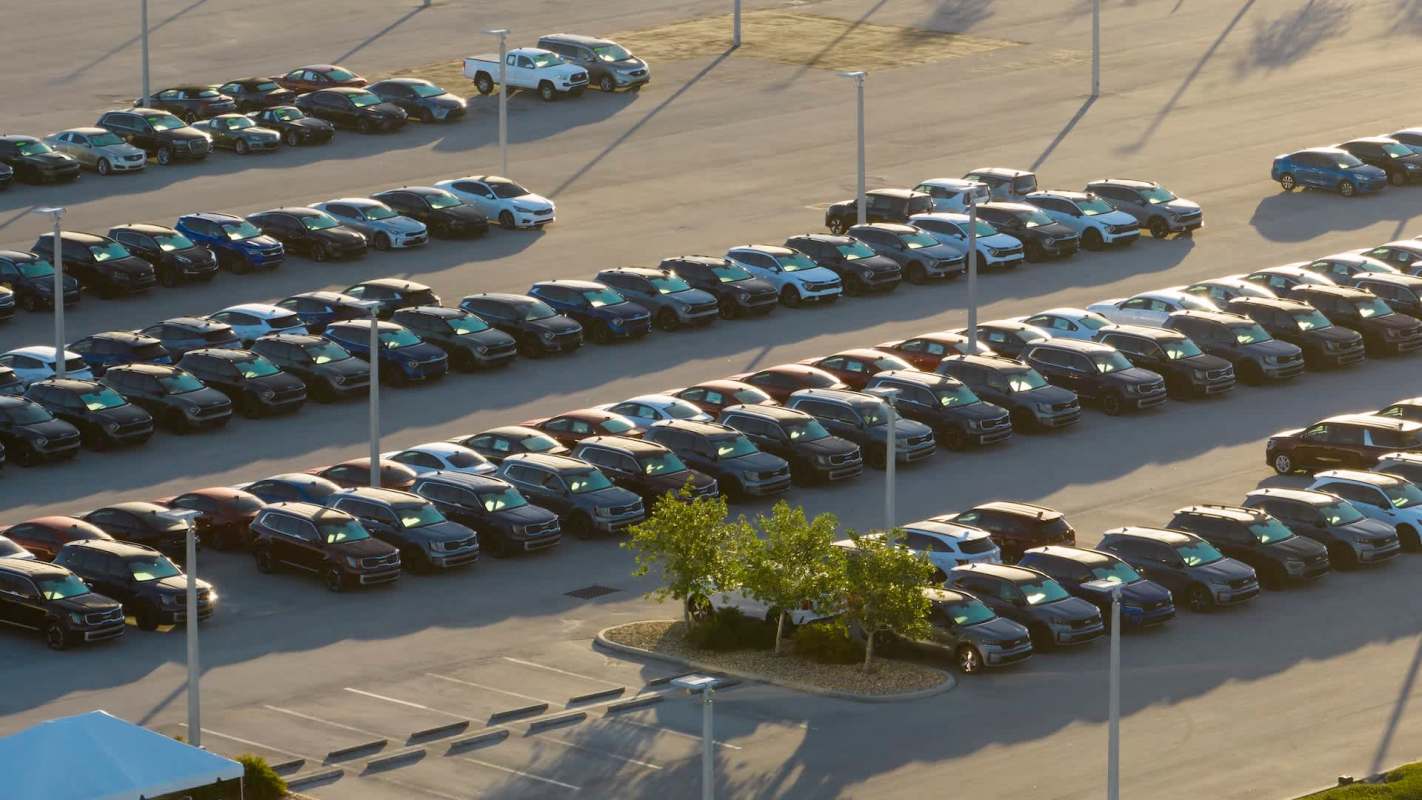
For several years, major U.S. carmakers regularly presented electric vehicles as a major part of the industry's next chapter, pairing that message with a steady stream of announcements.
That messaging has slowed sharply, and that could spell trouble for the domestic industry's EV transition.
Here's what to know
In an analysis, CleanTechnica noted the volume of EV talk coming from U.S. legacy automakers has fallen steeply after a prolonged stretch of aggressive promotion.
Throughout that earlier period, established automakers gave electric vehicles far more attention in their public messaging than EVs represented in their actual sales.
The outlet said that push gained momentum once Tesla successfully ramped Model 3 production and its market value surged, encouraging competitors to project stronger EV ambitions than their real-world progress necessarily supported.
"However, despite all their PR efforts and hype, as well as some half-decent EV projects, the stock market didn't care, and EV sales from these companies have also been meh at best," CleanTechnica wrote.
TCD Picks » Quince Spotlight
💡These best-sellers from Quince deliver affordable, sustainable luxury for all




Since Tesla still makes up roughly half of EV sales in the United States, the business case didn't work out as well as most automakers hoped. Now, the outlet noted there's a lot of backpedaling on EVs and little hype for new releases or innovations.
Ford stands out somewhat. CleanTechnica noted that despite pulling back on major EV investments, the company is still committed to promoting a "Universal EV" effort.
More background
If companies loudly embrace cleaner technology when it helps their public image, then go quiet when profits or politics shift, consumers are left to sort through mixed signals and fewer real options.
When automakers delay EV rollouts or cancel investments, drivers may have fewer affordable electric models to choose from and fewer chances to save money on fuel and maintenance over time.
Communities can also lose out if promised manufacturing growth or supplier activity starts to fade.
CleanTechnica suggested the quiet reflects both market and political changes.
Talking up an electric future appeared useful when it could help valuations, but some automakers seemed much less eager to keep doing that once Wall Street stopped rewarding the message and political pressure turned against EVs.
What can be done?
The outlet's piece seemed somewhat resigned to the status quo. That doesn't mean there aren't exciting happenings for EVs globally.
"There's big EV news out of China practically every day," CleanTechnica declared. "On the flip side, I'm constantly checking for EV news from automakers in the US and it's typically crickets."
Commenters had a nuanced reaction to the piece.
"I've never seen so many new Tesla vehicles on the road before," one reader wrote. "Sometimes I get a chance to ask and they say they love them."
"You can not be blamed for reporting on the facts," another person said. "Legacy auto will always [be] focused on ICE if not compelled by threat of competition or regulatory pressure to not do what they have been doing for a century and what ALL their executives know."
Where can I learn more?
The lull from U.S. automakers matters because plenty of drivers are still weighing the same basic questions of which models will be available, what ownership will really cost, and how dependable charging will be. The greater context includes myths slowing adoption, the financial tradeoffs shoppers consider, the uneven rollout of new models, infrastructure risks, and what widespread EV use can look like in practice.
• Across the U.S., myths holding Americans back still shape whether shoppers consider electric cars.
• Sticker shock often obscures how EV costs and carbon can compare over time.
• At Electrify America, a dangerous trend gaining traction threatened chargers drivers increasingly depend on.
• In Norway, the world's most EV-friendly country shows how policy can normalize adoption.
All of that is a reminder that EV demand depends on far more than automaker messaging. Seeing the bigger picture makes it easier to judge whether a company is really moving the transition forward or mostly talking about it.

Get TCD's free newsletters for easy tips, smart advice, and a chance to earn $5,000 toward home upgrades. To see more stories like this one, change your Google preferences here.






