


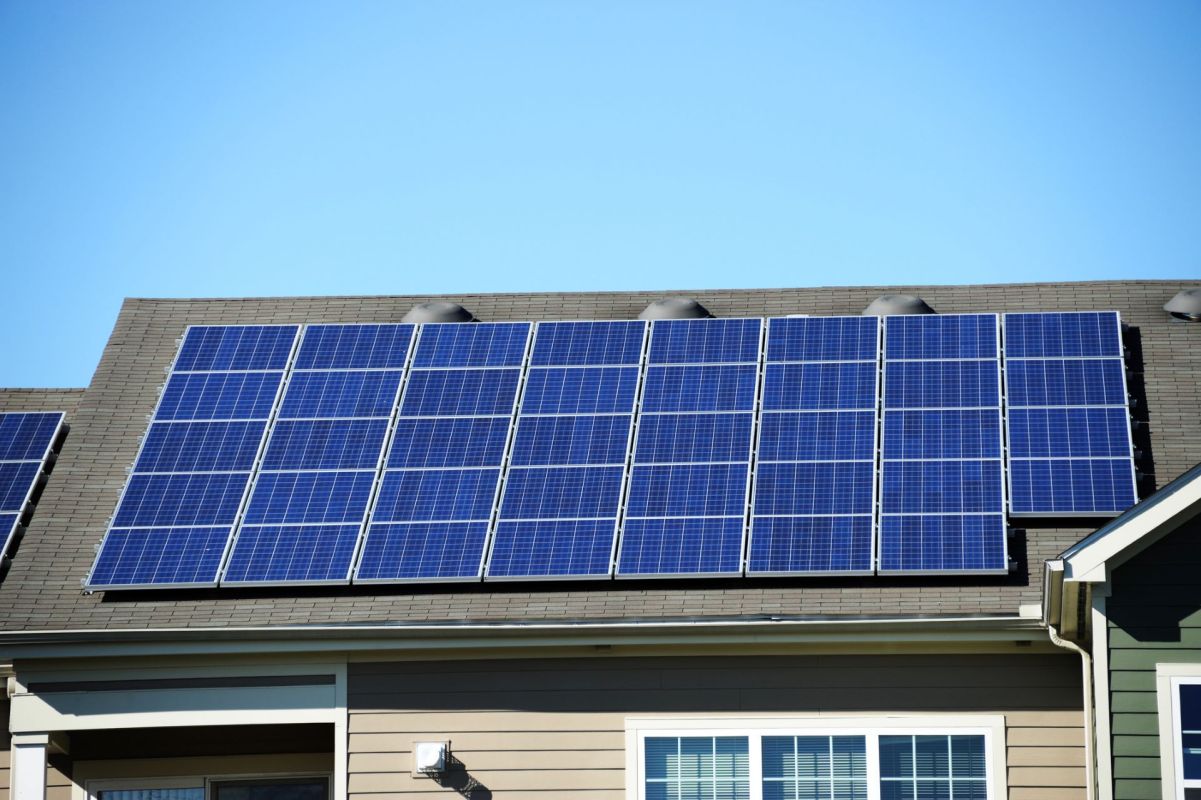
Despite the current administration's opposition to renewable sources of energy, the United States recently hit a significant milestone for solar power.
By the end of the second quarter of 2026, U.S. solar installations had grown large enough to match the electricity use of more than 50 million homes, or about one-third of all households in the country, according to Electrek.
Here's what to know
Even as renewable energy incentives have been rolled back, solar power generation in the U.S. has continued to grow rapidly.
Report data shows 11.4 gigawatts of new solar capacity came online in Q2 2026, up 43% from Q1 2026 and 45% from Q2 2025, per Electrek.
Most of the quarter's gains came from utility-scale development. Developers accelerated those projects ahead of a July 2026 safe harbor deadline for federal tax credits, helping lift that segment 61% above its Q2 2025 level.
Contrary to many people's expectations, most of the states that saw the largest growth in solar-power production were Republican-leaning states that went for the current president during the last election.
In the first half of 2026, 71% of all new solar production came from "red" states, according to Electrek. Similarly, those states accounted for eight of the top 10 states for new solar installations.
For households, going solar remains one of the best ways to save money on home energy. Homeowners who want to see what a system might cost can explore EnergySage to get free solar installation estimates and compare quotes.
Save $10,000 on solar panels without even sharing your phone number Want to go solar but not sure who to trust? EnergySage has your back with free and transparent quotes from fully vetted providers that can help you save as much as $10k on installation. To get started, just answer a few questions about your home — no phone number required. Within a day or two, EnergySage will email you the best local options for your needs, and their expert advisers can help you compare quotes and pick a winner. |

More background
Solar power and battery storage combined have accounted for most new energy capacity in the U.S.
Of all new power capacity added during the first half of 2026, 70% came from solar and battery storage, according to Electrek.
Experts don't see this rapid growth ending anytime soon.
Wood Mackenzie, a consultancy, projects that the U.S. will nearly double its solar capacity by 2031, per Electrek.
More From EnergySage
💡Go deep on the latest news and trends shaping the residential solar landscape

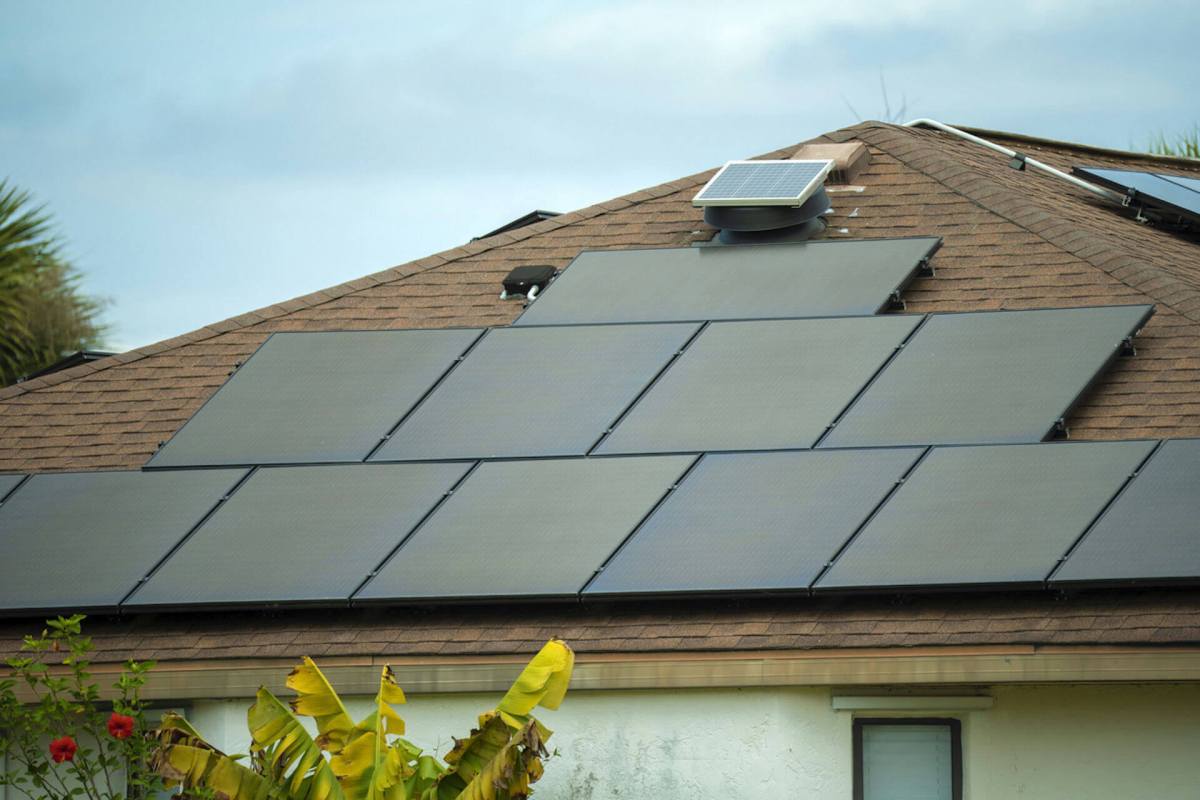

While industrial-scale solar arrays have continued to boom, rooftop solar has faced tougher times. This is largely due to the expiration of the federal Residential Clean Energy Credit, which provided a 30% tax credit toward the cost of home solar. The popular program ended December 31, 2025.
Still, analysts predict home solar will rebound in 2027, as homeowners look for ways to lower energy costs while also making their homes more resilient.
EnergySage can help you go solar by letting you compare personalized quotes online from pre-vetted solar installers. EnergySage is free to use, and you won't get bombarded with sales calls unless you select an installer and share your phone number.
With EnergySage's help, the average person can save up to $10,000 on solar purchases and installations. EnergySage's solar map shows the average cost of a home solar panel system by state, along with details on solar panel incentives for each state.
Adding battery storage to a solar setup is one of the best ways to protect your home during outages, save money on energy, and go off-grid. Homeowners can explore EnergySage for information about home battery storage options, including competitive installation estimates.
Where can I learn more?
The following articles shed more light on the rapidly changing solar industry.
• Heliene and Suniva struck a multimillion-dollar deal to expand U.S.-made solar panel supply.
• In Texas, homeowners can join a new solar program that supports grid flexibility.
• A Texas law made installing solar panels quicker for millions of homeowners statewide.
• EnergySage has helped make solar installation costs clearer for homeowners comparing quotes.

Get TCD's free newsletters for easy tips, smart advice, and a chance to earn $5,000 toward home upgrades. To see more stories like this one, change your Google preferences here.






