


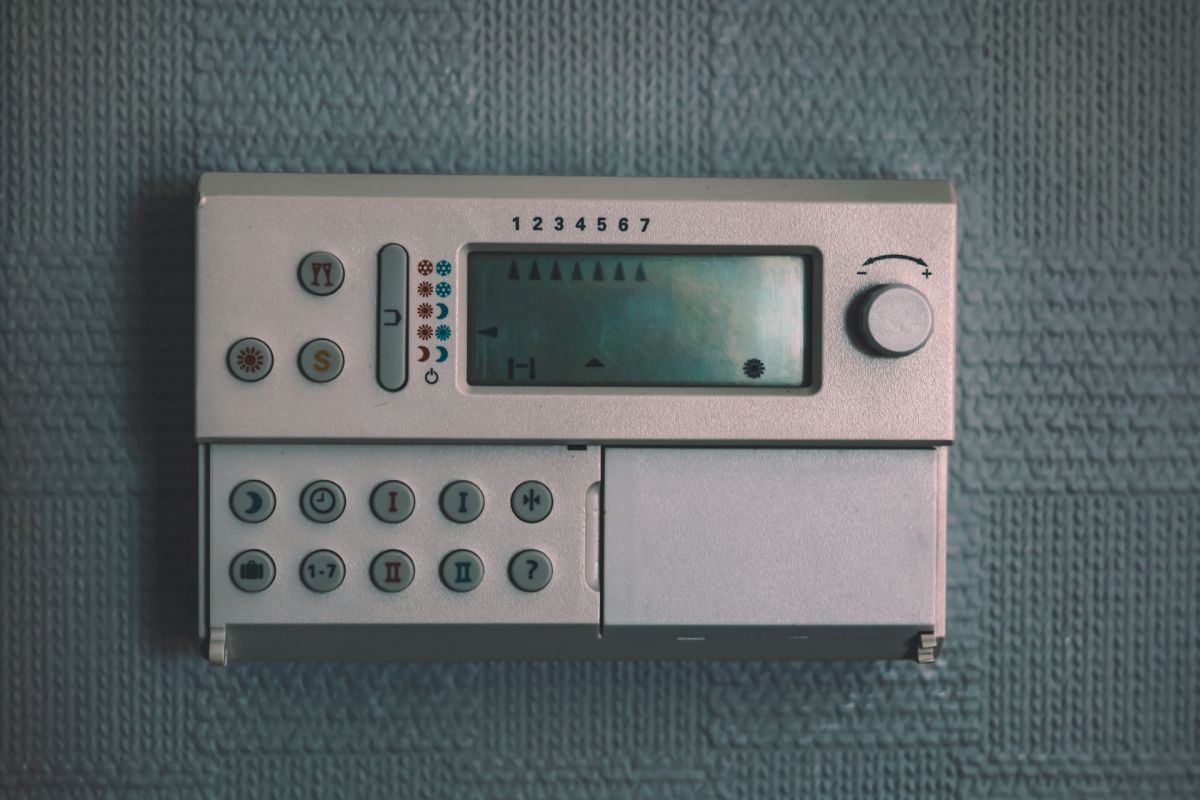
For everyday cleanup, most people follow a basic rule: If something is not suited for recycling or composting, it usually goes into the trash.
But older thermostats are one important exception. If they end up in the waste stream, the mercury inside can cause a major contamination problem.
Here's what to know
Anyone replacing a thermostat should carefully check its age before throwing it out. As House Digest recently highlighted, models installed more than 20 years ago could contain mercury and may need to be taken to a hazardous-waste drop-off site for safe processing.
Under normal circumstances, of course, the thermostat itself isn't the issue. The concern is with internal parts used in some older units that may contain small but dangerous amounts of mercury.
Even those small amounts can have major consequences. House Digest said that just a few grams of mercury from a single thermostat could contaminate an entire lake if the unit is crushed during handling.
It's something the California Department of Toxic Substances Control seems to back up, noting on its website, "Each mercury thermostat contains about 3 grams of mercury. One gram of mercury can contaminate a 20-acre lake."
TCD Picks » Quince Spotlight
💡These best-sellers from Quince deliver affordable, sustainable luxury for all




More background
According to the Thermostat Recycling Corporation, production of mercury-added thermostats stopped between 2004 and 2007, with 13 states banning their sale by 2007. However, older homes may still have mercury-containing thermostats.
That's a problem because while mercury is a naturally occurring element, exposure can negatively impact human health and child development. And yet — unlike batteries, medications, or needles — thermostats may not be the kind of item most people automatically think of as hazardous waste that requires careful handling. During a remodel or cleanout, an old one may easily look like just another piece of plastic and metal.
But proper disposal is more manageable than many people might expect. Drop-off options are often free and fairly easy to locate, including in rural areas. More importantly, safe disposal can prevent personal exposure and large-scale environmental contamination from a single household item.
What can be done?
Before making a special disposal trip, it can help to confirm whether the thermostat in question actually contains mercury. Units made in or after 2007 generally are not a concern. If it is older, homeowners may carefully remove the cover and look for a small glass tube filled with a shiny metallic liquid.
If that tube is intact, the thermostat is generally safe to handle. Replace the cover before moving the device, then find a proper recycling or disposal option.
A convenient place to start is the Thermostat Recycling Corporation's website, where users can enter a ZIP code to locate participating collection sites nearby. Spending a few extra minutes on proper disposal can help protect your community and the environment from a preventable toxic release.

Get TCD's free newsletters for easy tips, smart advice, and a chance to earn $5,000 toward home upgrades. To see more stories like this one, change your Google preferences here.






