


Georgia has spent years trying to build itself into a center for clean manufacturing, using tax incentives and workforce training to lure companies producing electric vehicles, batteries, and solar panels.
That push led to major investment, but shifting federal policy has made the road ahead much less predictable for companies, workers, and the communities depending on them.
Here's what to know
Georgia is still pursuing EV manufacturing, but the effort has slowed as the Trump administration has rolled back major support for the industry, Grist reported. In a state where cleaner transportation projects made up some of the largest economic development investments in its history, that change carries added significance.
The buildout spanned several major companies. Rivian began construction on its Atlanta-area plant in 2025, Kia started EV production in West Point in 2024, Hyundai opened a Savannah-area plant in 2022 that it said was for EV production, and Blue Bird moved from marketing electric buses in 2018 to expanding its electric-bus factory in 2023.
However, companies are having to adjust to a tougher market.
Grist reported that the Trump administration has eliminated federal EV tax credits, easing emissions rules for gas-powered cars, imposing tariffs on battery packs and charger equipment, and stopping the push to electrify government fleets.
TCD Picks » Quince Spotlight
💡These best-sellers from Quince deliver affordable, sustainable luxury for all




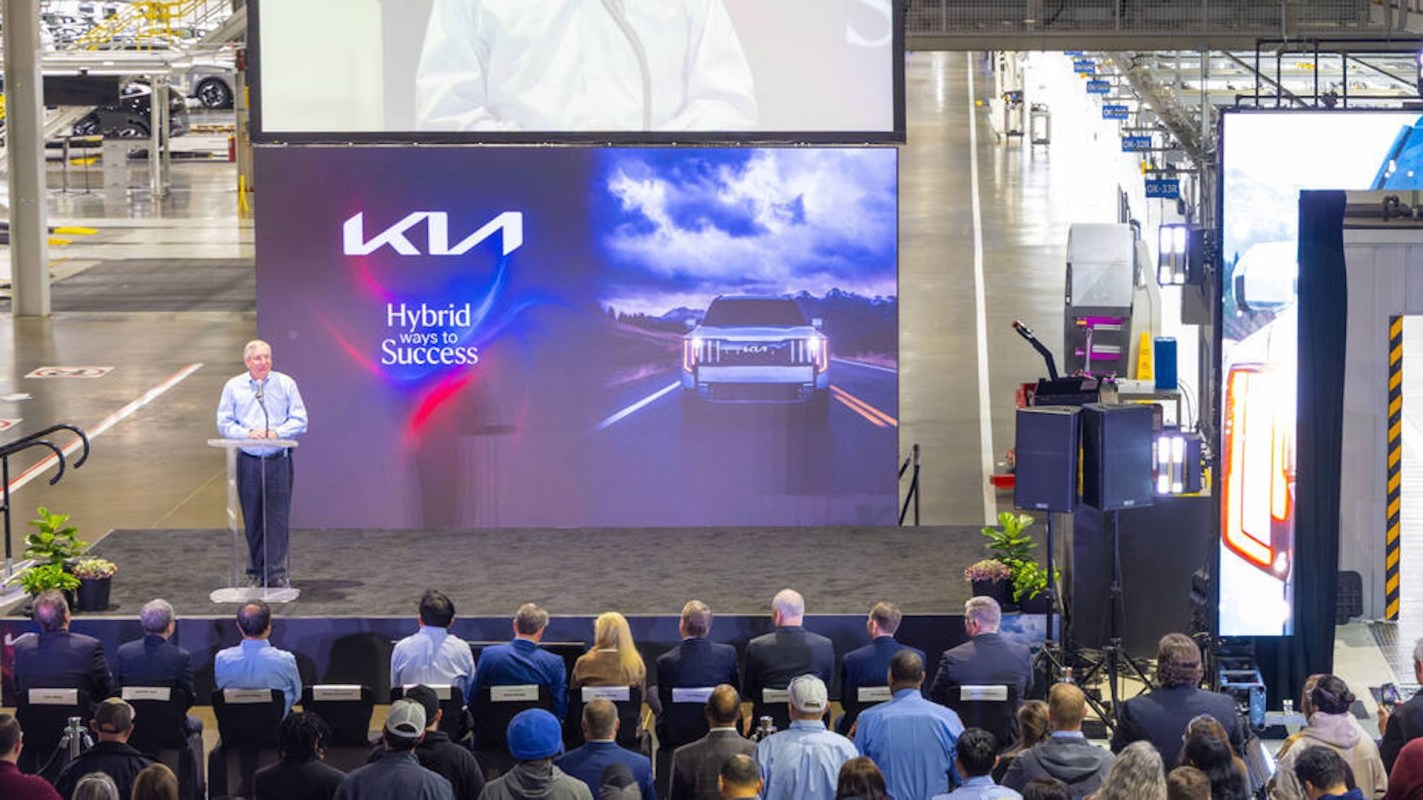
At Kia, that has meant putting greater emphasis on hybrids.
"What we've seen is a transition back away from maybe full EV vehicle building to this kind of a middle-of-the-road opportunity," Stuart Countess, CEO of Kia's West Point factory, told Grist.
"We had a tax incentive credit that did go away," Countess said. "Sales were really moving in the right direction, but once it went away, it became a much different environment."
More background
For Georgia communities, the stakes extend beyond corporate decision-making.
Grist reported that Kia's West Point plant was designed to switch among gas, hybrid, and electric vehicles based on demand. Hyundai has also added hybrids at its massive Georgia facility, even though the site was originally centered on EV production.
Stephanie Valdez-Streaty, director of industry insights at Cox Automotive, told Grist: "It's kind of a messy period we're in right now. But I think the manufacturers are adjusting."
Battery makers are making comparable changes, with some expanding into grid-storage batteries alongside EV batteries.
Stan Cross of the Southern Alliance for Clean Energy said Georgia still has "a lot riding on the success of both the electric vehicle but also the battery market."
The Southern Alliance for Clean Energy says nearly $74 billion in manufacturing investment is still moving forward across the region, even though more than $4 billion has been canceled or reduced.
What's being done?
Companies are not abandoning Georgia.
Grist reported that private investment in charging is still moving ahead: Kia and Hyundai are both part of the Ionna network, which has installed charging sites in Georgia, including one at Kia's West Point factory.
Utilities are stepping in as well, with the Southern Alliance for Clean Energy saying utility spending tied to EVs in the region is up 14%.
Georgia still lacks the consumer EV incentives available elsewhere, and drivers also face an extra EV registration fee.
Even so, Valdez-Streaty suggested that local manufacturing could eventually help drive local demand.
"It's like that familiarity, right?" she said. "People have jobs at those companies and familiarity with those products."
Valdez-Streaty said the EV market is starting to stabilize and that the auto industry is still headed toward electrification, even if that timeline has stretched out.
Where can I learn more?
Georgia's manufacturing shift is unfolding as EV policy changes, ownership costs, and battery investment keep shifting. The stories below add context for why automakers and suppliers are broadening their plans even as the transition to electric vehicles continues.
• Tesla faces its toughest challenge yet as new U.S. policy squeezes carbon-credit revenue.
• EV drivers are confronting extra cost of ownership as new fees reshape adoption economics.
• Automakers, including Chevrolet, are still launching models like the Blazer EV SS despite market turbulence.
Georgia's clean-manufacturing push hinges on more than just building factories. Policy changes, buyer demand, and supply-chain strength will shape whether that long-term bet pays off.

Get TCD's free newsletters for easy tips, smart advice, and a chance to earn $5,000 toward home upgrades. To see more stories like this one, change your Google preferences here.






