


Federal records show the United States experienced its hottest summer in over a century after record temperatures in July and August.
Here's what to know
The Independent reported a run of lingering heat domes pushed deadly heat and humidity across the United States, causing the hottest summer in 132 years.
Maps from the National Centers for Environmental Information showed the most severe June-through-August heat across the western and southern U.S., while a WCVB map identified the hottest counties in the Four Corners region.
The National Centers for Environmental Information wrote, "Record-breaking heat extended across much of the Southwest, with Arizona ..., New Mexico, Utah and Colorado each recording their warmest summer on record."
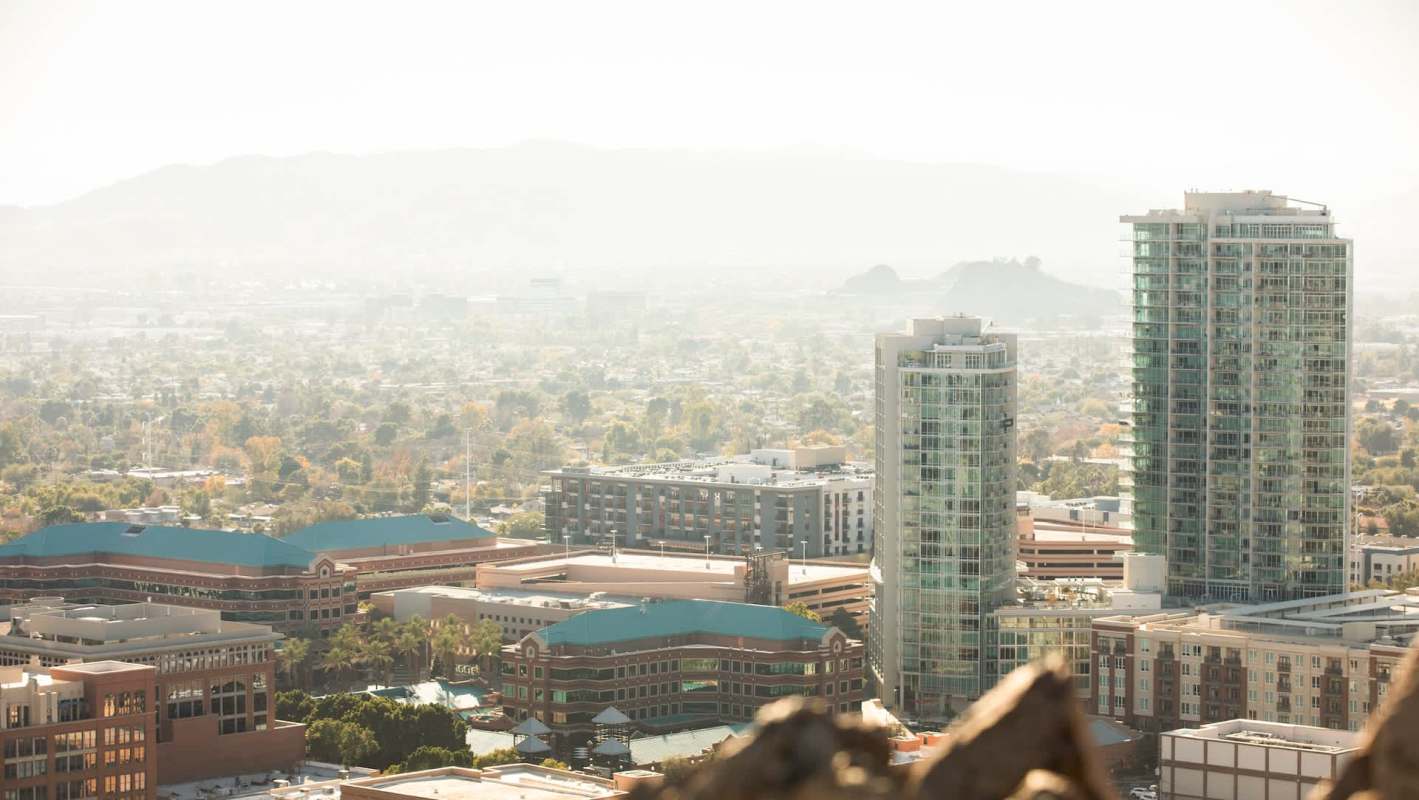
Colorado nearly reached triple digits in early August, breaking a daily record that had stood for 57 years. Later, Phoenix climbed as high as 117 degrees Fahrenheit and set a new daily high not seen in 15 years.
Scientists said the summer's extreme temperatures were tied in part to human-caused climate change, with the developing El Niño climate pattern also contributing.
TCD Picks » Quince Spotlight
💡These best-sellers from Quince deliver affordable, sustainable luxury for all




More background
Heat is America's deadliest weather-related killer. The Washington Post counted at least 70 deaths in the U.S. in July alone, while Yale University researchers estimated that roughly 2,000 people in the country die from heat each year.
Dangerous heat can send people to the hospital, worsen heart and breathing problems, cancel community events, buckle roads, and strain household budgets through higher cooling costs.
The Independent said the heat led to the cancellation of Fourth of July celebrations in the Mid-Atlantic, warped roads, and left dozens dead in New Jersey. For outdoor workers, older adults, and people without reliable air conditioning, these conditions can quickly become life-threatening.
What can be done?
Mass General Brigham researchers expect U.S. heat deaths to rise because of climate change. The Independent reported that scientists have also long warned that heat would intensify as planetary warming continues to be driven by the fossil fuel industry.
Texas A&M University climate scientist Andrew Dessler told AFP, "This is occurring exactly as forecast by scientists literally decades ago. The interesting question is not whether we will keep breaking heat records (we will), but whether we're going to do anything about it or just stand there while the climate train runs us over."
Where can I learn more?
That record-breaking summer is on trend with prolonged heat waves, out-of-season spikes, and the everyday disruptions that rising temperatures are causing across the U.S. and beyond.
• The National Weather Service warned that a potentially deadly heat wave could spread across much of the U.S.
• Across western cities, dangerous, history-making heat wave conditions showed how extreme autumn warmth is intensifying.
• New research showed extreme heat impacts daily life by snarling travel, health, and routine errands.
• In Cuba, officials logged unprecedented temperatures this early in the year, raising summer fears.
• In the United Arab Emirates, residents endured a second consecutive day of record-breaking heat amid extreme vulnerability.

Get TCD's free newsletters for easy tips, smart advice, and a chance to earn $5,000 toward home upgrades. To see more stories like this one, change your Google preferences here.






