


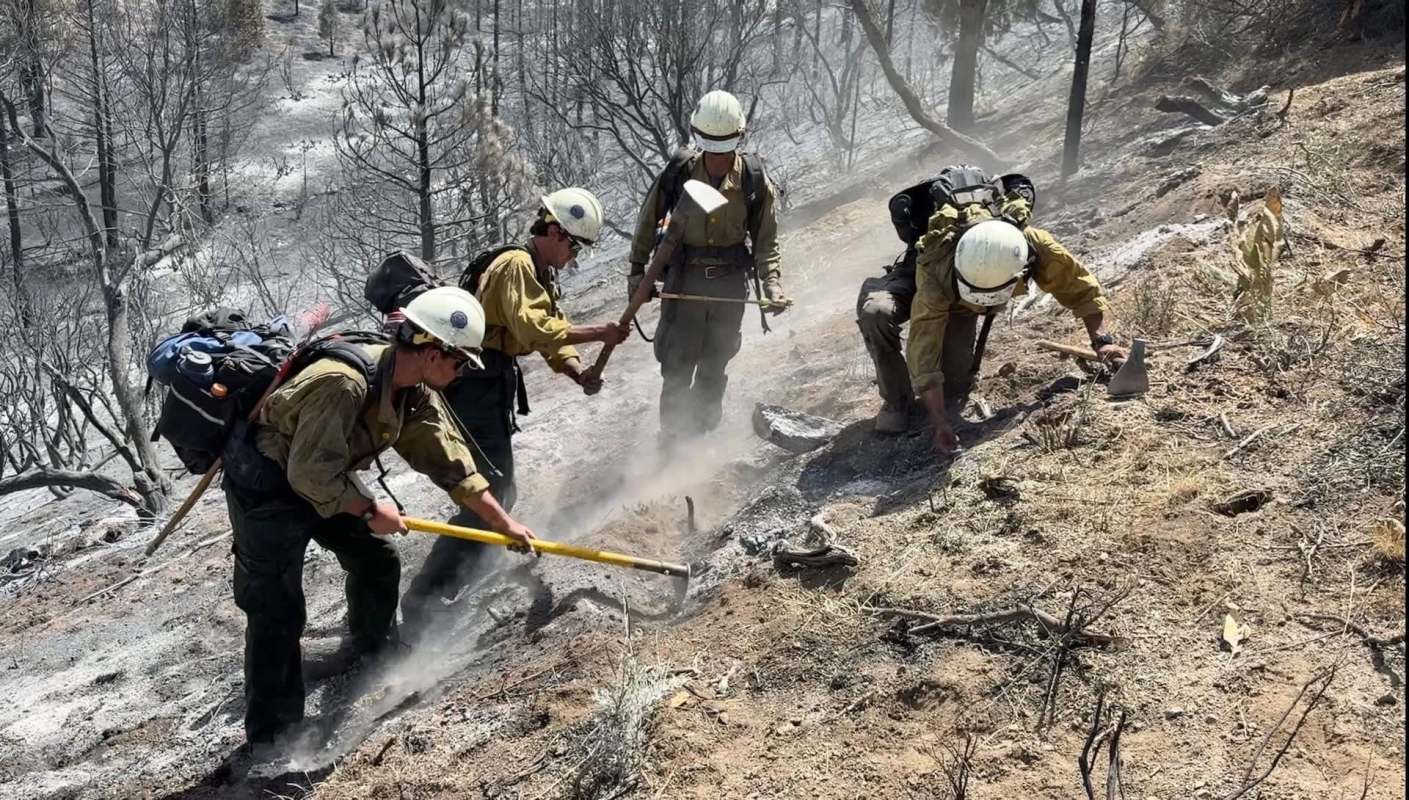
A long-time Nevada wildland firefighter lost his own home in the Hawk Fire, underscoring how even trained professionals can be victims of the same destruction they work to prevent.
Here's what to know
A TikTok video posted by local outlet 2 News Nevada (@2newsnevada) shows the firefighter walking through the burned remains of his property following the devastating Hawk Fire, which destroyed dozens of homes.
@2newsnevada A long-time wildland firefighter is among the dozens of residents who lost their homes in the Hawk Fire. To watch the full story visit 2news.com or our free 2 News Nevada app. #firewatch #fire #wildfire #hawkfire #fyp ♬ original sound - 2NewsNevada
(If you can't see the video, click here.)
Wildland firefighters are trained to understand fire behavior, terrain, and risk, yet even with that in mind, a fast-moving blaze can still destroy a home when conditions turn severe.
According to the firefighter, he thought for several minutes that he had succeeded in saving his home. However, the fire behaved in ways he had not seen before, and, ultimately, the home was destroyed.
More background
Natural disasters threaten lives and livelihoods by destroying homes, forcing evacuations, polluting the air with smoke, and cutting people off from work, school, and essential services.
TCD Picks » Quince Spotlight
💡These best-sellers from Quince deliver affordable, sustainable luxury for all




For wildfires, the impact often extends well beyond the flames' reach, affecting public health, community safety, food supplies, and economic stability hundreds or even thousands of miles away.
For families, the aftermath can bring urgent housing needs, damaged vehicles and belongings, insurance complications, and months or even years of rebuilding costs. Smoke exposure can also worsen asthma and other respiratory conditions, while the stress of evacuation and personal loss can take a serious toll on mental health.
As for the firefighter, he told 2 News Nevada it was unclear whether he could rebuild in the same location or be forced to relocate.
What can be done?
While there is no silver-bullet solution to wildfire risk, preparation can help limit the damage done. Communities can invest in fuel reduction, defensible-space programs, fire-resistant building standards, clearer evacuation planning, and stronger emergency communication systems.
For homeowners, clearing dry brush, keeping roofs and gutters free of debris, storing important documents digitally, preparing go-bags, and reviewing insurance coverage can all make a difference when fire danger rises.
People in fire-prone areas can also sign up for local alerts and map out multiple evacuation routes in case of road closures during an emergency.
While none of these steps will stop a wildfire on their own, they can help families evacuate faster and recover more smoothly should the worst-case scenario strike.
Where can I learn more?
The Hawk Fire is one example of a wildfire crisis that continues to affect families long after the flames die down. The articles below look at what that aftermath can involve, from the chaos of recovery and questions about when it's safe to go home to higher insurance costs, extreme fire behavior, and protecting indoor air from smoke.
• In Colorado, a fire survivor's firsthand perspective shows how quickly recovery becomes overwhelming.
• Across wildfire zones, when homes are safe to reenter remains deeply uncertain.
• Throughout the U.S., massively destructive wildfires are driving up insurance costs for homeowners.
• Scientists found that these fires are creating their own weather, making blazes harder to predict.
• During wildfire season, homeowners learned how to improve indoor air when smoke turns hazardous.

Get TCD's free newsletters for easy tips, smart advice, and a chance to earn $5,000 toward home upgrades. To see more stories like this one, change your Google preferences here.







