


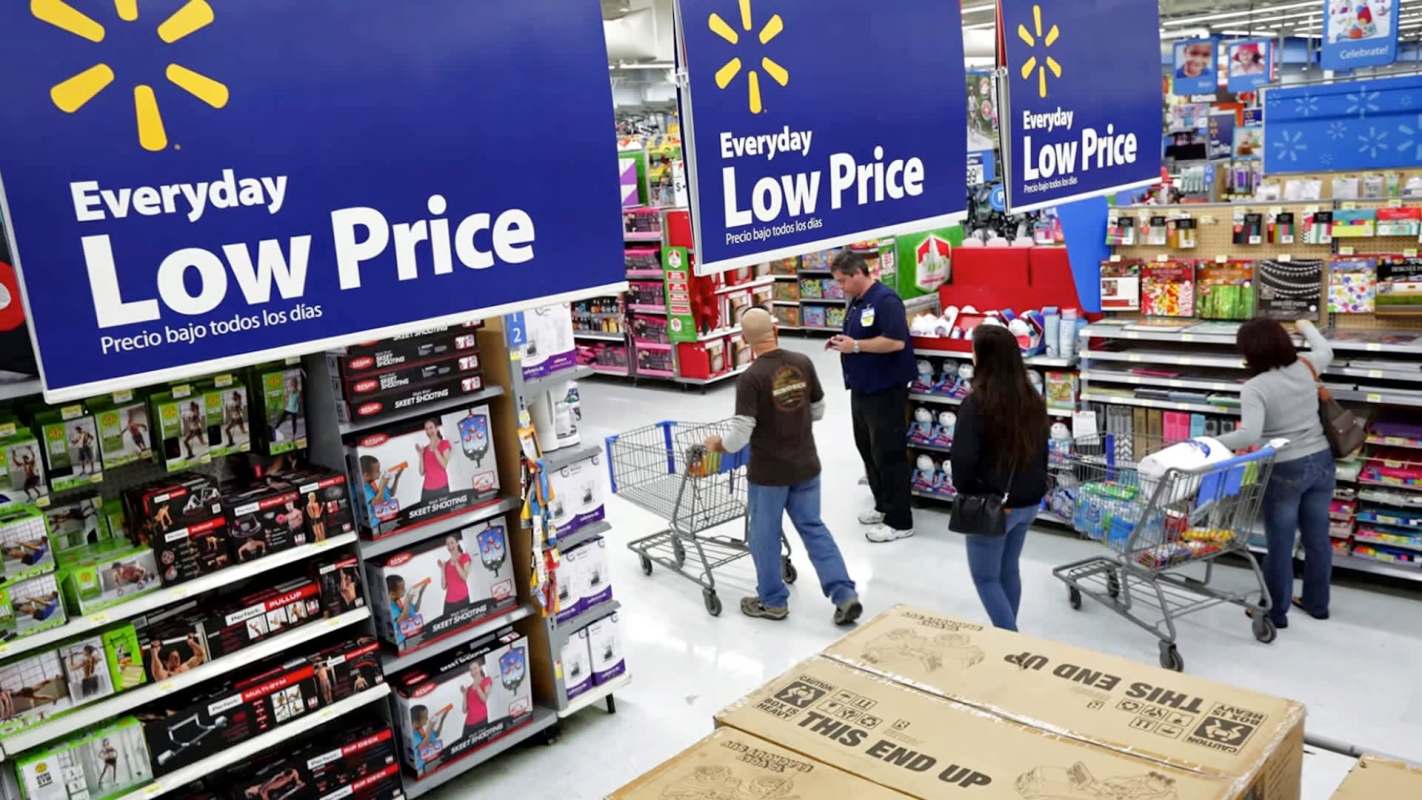
A content creator is warning that grocery store technology like digital shelf labels, shopper-tracking systems, and pricing algorithms could make everyday shopping a lot less predictable and a lot more expensive.
This kind of tech could let companies charge different prices for different customers. The issue has raised so much concern that the U.S. Senate recently held a hearing on the topic.
Here's what to know
Electronic shelf labels are digital price tags that stores can update remotely in a matter of seconds.
In a recent video, a creator who posts under the name A Homestead Journey (@ahomesteadjourney) described how this rapidly spreading technology came up during a U.S. Senate hearing on artificial intelligence surveillance pricing chaired by Senator Josh Hawley in August.
Critics of digital pricing and customer tracking warn that the practices, largely driven by AI, could be used to charge different customers different prices, potentially causing some individuals to pay more for an identical product purchased at the same location. The technology might even allow a retailer to change a product's price between the time a shopper grabs an item off the shelf and when they reach checkout.
In her video, the creator also pointed to Senate testimony about personalized algorithmic shopping. Under the practice, retailers rely on information about a customer's shopping history, location, and other personal data to estimate the highest price a specific customer might be willing to pay for a given product.
TCD Picks » Quince Spotlight
💡These best-sellers from Quince deliver affordable, sustainable luxury for all




At the hearing, Hawley said, "AI surveillance pricing is the unholy trinity of everything Americans hate: spying on people, ripping them off, and taking away jobs." The senator asserted that the practices could impact jobs in brick-and-mortar stores.
The hearing also touched on how valuable shopper data has become to big business.
"The data that powers the surveillance pricing engine is estimated to be a $700 billion industry by 2030," economic sociologist Lindsay Owens said in her testimony.
More background
Replacing paper tags with digital displays can seem like a simple store upgrade. The concern raised in A Homestead Journey's video is how easily those tags can work alongside surveillance tools, loyalty programs, and machine learning systems designed to maximize profit at the shopper's expense.
On top of the financial implications, privacy issues may be just as significant. According to the video, the American Civil Liberties Union previously asked America's 20 largest retailers if they scan customers' faces. Most declined to answer.
Many consumers already deal with surge pricing when they book rideshares or buy concert tickets. If that same pricing logic reaches staple items like bread, eggs, and milk, families already under financial pressure might have even less ability to anticipate their expenses and stick to a budget.
What can be done?
Some states have already started responding. For example, as the video pointed out, New Jersey's Fair Price Protection Act, signed in July, bans surveillance pricing at grocery stores. Maryland and Connecticut have passed similar laws.
Still, A Homestead Journey argued that such laws do not fully solve the problem. In both Maryland and Connecticut, loyalty-program pricing is exempted, even though those same programs help create the shopper profiles that make individualized pricing possible.
The creator's most practical suggestion was perhaps its simplest: take a photo of the shelf tag before putting an item in the cart, then compare that image with the receipt before leaving. If the two prices do not match, shoppers can ask for a manager to explain the pricing disparity.
Commenters were quick to condemn the practices on both pricing and privacy grounds.
"This is digital stalking, followed by robbery!" exclaimed one.
For the creator, one of the scariest aspects is that these may not just be examples of things that could happen in some dystopian future. These practices are already here.
"Here's my take, guys: This isn't a conspiracy theory anymore," A Homestead Journey said. "This is a Senate hearing, real testimony, real dollar figures, real patents on file, and real state laws already passed."
Where can I learn more?
The information shoppers see on shelves and packaging seems to be getting easier to alter and harder to verify for a lot of different reasons. These examples focus on greenwashing rather than dynamic grocery pricing, but they show how labels, branding, and store messaging at chain stores can shape what customers believe they are buying:
• At Target, greenwashing in everyday products can make eco-friendly claims harder to confirm.
• At Costco, the most blatant greenwashing showed how labels can steer shoppers wrong.
• Across online orders, sustainable packaging claims can blur what product labels actually promise.
• In retail aisles, companies fool consumers when branding outruns what the labels support.
These examples show that concerns about digital pricing are part of a bigger trust problem in retail, but consumer awareness and pushback could help inform lawmakers' actions to regulate the practices behind them.

Get TCD's free newsletters for easy tips, smart advice, and a chance to earn $5,000 toward home upgrades. To see more stories like this one, change your Google preferences here.






