


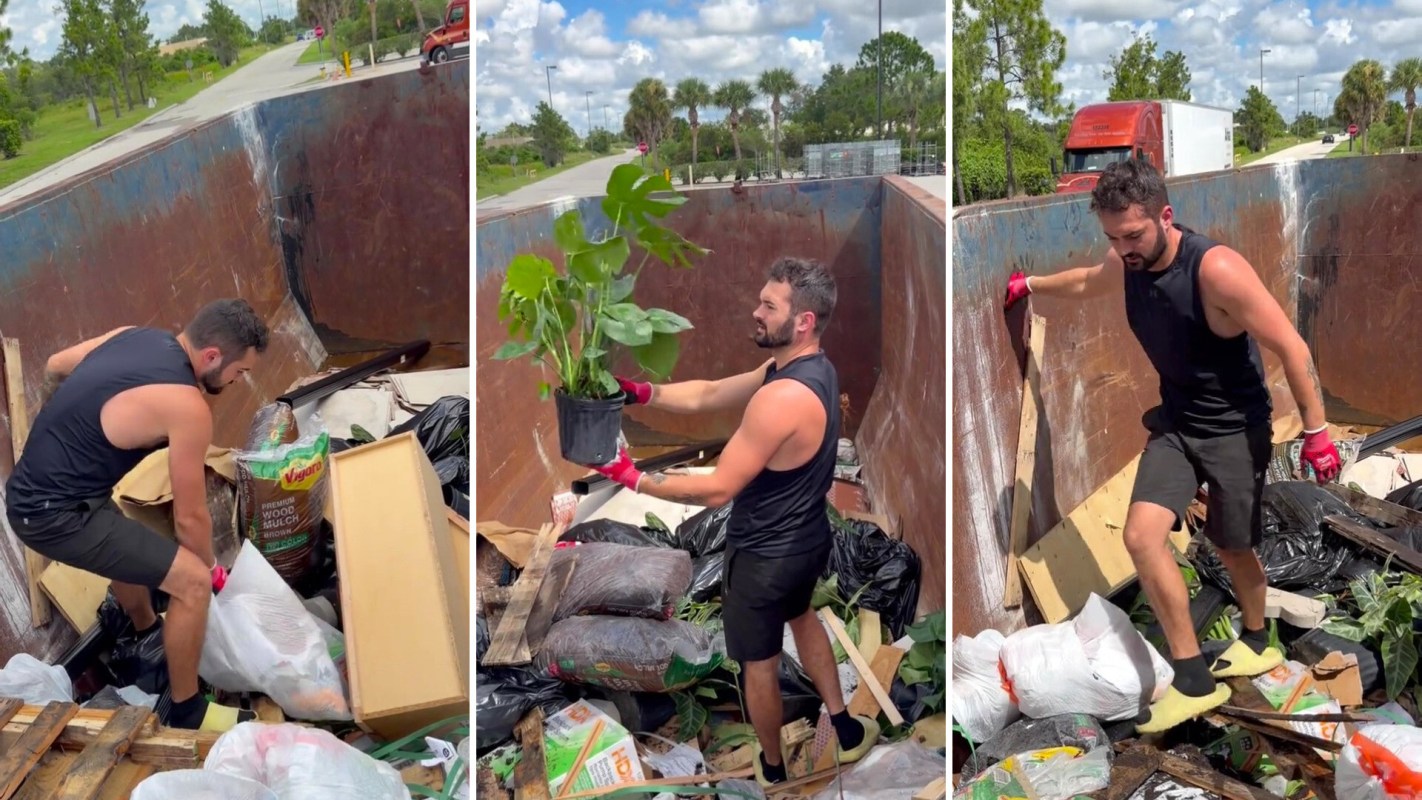
A dumpster diver stumbled into a surprising mix of discarded goods in a roll-off dumpster at Lowe's, including cabinets that looked unused, live plants, and a backpack pump sprayer.
In a TikTok post, a user who goes by Dumpster Dive Legend (@dumpsterlegend) recovered the items, displaying products that seemed usable despite apparently being on their way to the landfill.
Here's what to know
As the creator sifted through the contents, cabinets and nursery plants came into view, and they expressed dismay at what was thrown away.
@dumpsterlegend MASSIVE Lowe's Dumpster Dive Find! Brand-New Cabinets & Expensive Plants 😱 This dumpster diving trip turned into a huge jackpot. We climbed into a massive roll-off dumpster and found brand-new kitchen cabinets, expensive plants, and way more than we expected. Some of these cabinets looked completely unused, and the plants alone would cost serious money at retail. We couldn't believe all of this was sitting in a dumpster. Watch until the end to see the full haul and everything we managed to save! #dumpsterdiver #dumpsterdiving #dumpsterdive #DumpsterDivingHaul #dumpsterdivingpaysmybills ♬ original sound - DUMPSTER DIVE LEGEND
The user acknowledged that the dive was not planned.
"We weren't even going dumpster diving today," they admitted, before focusing on the cabinets. "Look at these. Look at these cabinets. That is awesome. Look at this. Nothing wrong with this."
That waste was about more than a price tag. Large items like cabinets take up valuable landfill space, while living plants that could be sold, donated, or composted instead become part of a growing waste stream.
TCD Picks » Quince Spotlight
💡These best-sellers from Quince deliver affordable, sustainable luxury for all




There is also the environmental cost of producing those items in the first place. Manufacturing and transporting cabinets, plants, and equipment requires energy, water, raw materials, and labor, meaning the waste is both financial and environmental.
The greenery drew immediate attention in the comments.
"Take the plants," one user wrote.
"Those plants are fine ... not in bad condition at all and huge and would be worth a lot in the stores," another agreed.
More background
Accounts of retail waste more often center on categories such as food, cosmetics, or clothing. In that respect, discarded home improvement materials and nursery inventory counted as a particularly high-value haul.
Cabinets, fixtures, and garden stock are resource-intensive to produce and can still be useful when they're sent off to the dumpster.
A set of cabinets or healthy plants rescued before disposal could help someone complete a project, furnish a space, avoid buying brand-new products at full price, or do a repair they might otherwise be unable to afford.
Dumpster-diving rules vary by location, and items taken from the trash can be damaged, contaminated, or otherwise unsuitable for use.
Plants can recover with proper care, but they might also carry disease or show signs of stress that make them difficult to revive.
Many products are salvageable before they ever reach a landfill.
What can be done?
Businesses have several options to reduce waste.
Stronger diversion plans before disposal can include markdowns, donations, resale through liquidation channels, partnerships with habitat restoration or composting groups for unsold plants, and salvage programs for serviceable building materials.
These systems help companies reduce hauling costs while keeping functional goods in circulation.
They can also support local nonprofits, community gardens, reuse centers, and customers looking for more affordable materials.
For individuals, safer and more predictable alternatives exist to climbing into a dumpster.
Shopping at reuse stores, checking local buy nothing groups, browsing liquidation resellers, and asking garden centers or contractors whether they have discounted overstock or damaged box inventory are all great options for those who aren't comfortable sorting through corporate waste.
"The plants will sell on Facebook for sure," a commenter opined.
"My goodness, throwing plants [away] is a crime, I talk to mine and play them music," another wrote.
Where can I learn more?
The Lowe's dumpster haul fits into a broader pattern of retailers tossing merchandise that still looks useful or sellable. Similar complaints have surfaced at other big-box chains — and at Lowe's itself — from discarded garden stock to piles of packaging waste.
• At HomeGoods, usable decor and household goods surfaced in a dumpster despite appearing saleable.
• At Walmart, garden products destined for the garbage angered shoppers who were not allowed to buy them.
• At Lowe's, employees found cardboard waste so extensive they could barely comprehend the total.
Cases like these show the cabinets and plants in the TikTok video weren't just a one-off find — they represent a major retail waste issue that stretches from home goods to garden inventory.

Get TCD's free newsletters for easy tips, smart advice, and a chance to earn $5,000 toward home upgrades. To see more stories like this one, change your Google preferences here.






