


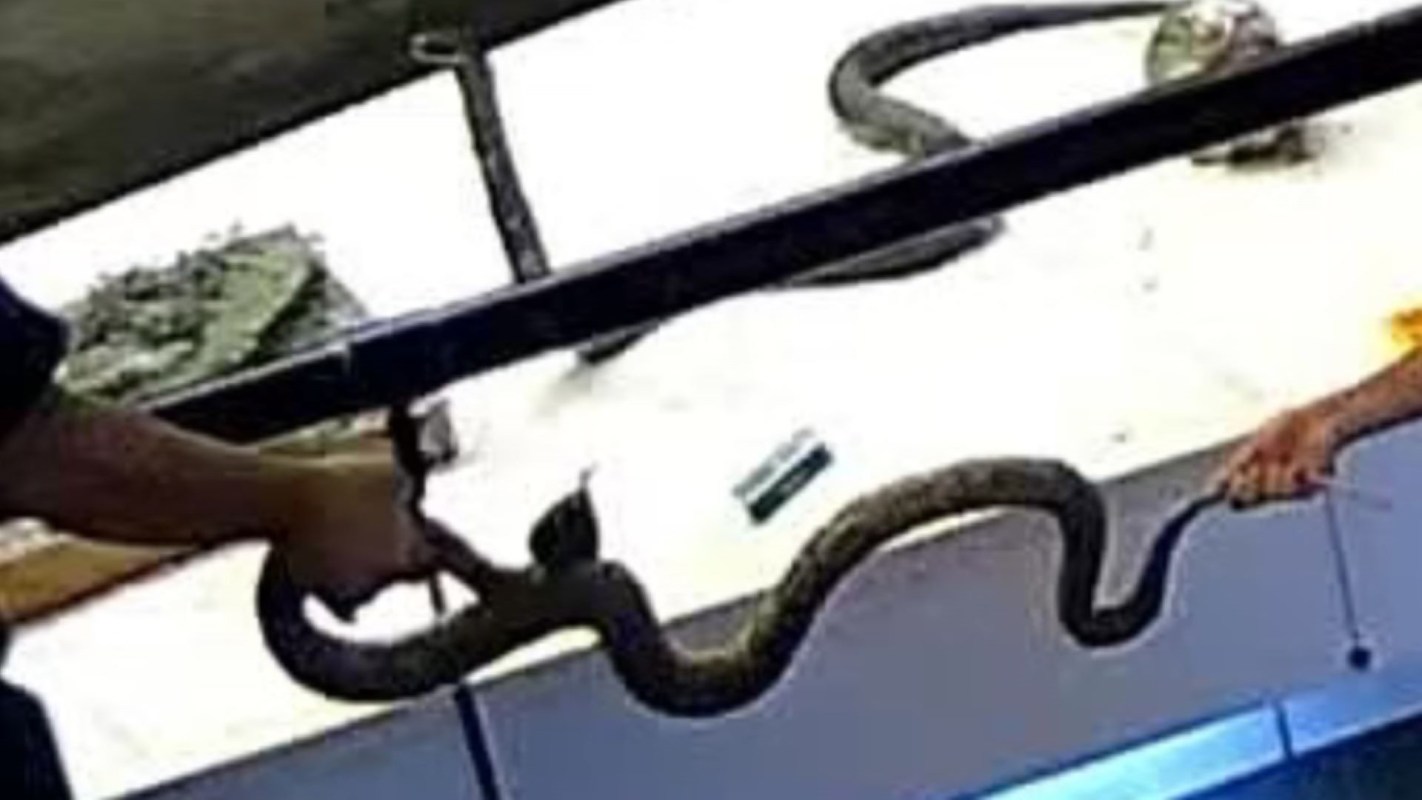
A museum visit in China has sparked widespread outrage after surveillance footage appeared to show a parent handing endangered animal specimens to children, who then roughly handled and kicked them.
Here's what to know
According to the Global Times, the National Zoological Museum of China said staff monitoring surveillance cameras spotted two children mishandling specimens after their father picked them up and handed them over as toys.
After security intervened, the parent denied having touched the specimens, the museum said. It added that the parent spent about two minutes washing their hands after a guard said, "Wash your hands immediately if you touched the specimens."
The museum confirmed that one specimen had been damaged. The incident became a trending topic on Chinese social media and had drawn more than 10 million views, the Global Times reported.
Museum officials identified the damaged animal as a Mangshan iron-head snake, or Mangshan pit viper. According to the museum, the snake is found only in China, holds national first-class protected status, and has a wild population considered critically endangered.
Footage released by the museum appears to show a child taking off a shoe and using it to hit one of the specimens. According to the museum, the viper specimen suffered a broken tongue and a split abdomen.
TCD Picks » Quince Spotlight
💡These best-sellers from Quince deliver affordable, sustainable luxury for all




More background
The museum emphasized that animal specimens are not playthings or ordinary display pieces, but professional materials with value for research, collection, and education.
According to the museum, Chen Yuanhui, a researcher and protector of endangered species, donated the specimen after suffering nine snake bites while working with them, leaving his middle finger permanently disabled.
The museum described the episode as a "typical and egregious case of uncivilized behavior at a museum" and said adults should teach children to respect exhibits, not encourage them to damage them.
What's being done?
The museum said professionals repaired the damaged specimen. It also said its monitoring center retained the full, unbroken surveillance recording of the incident and reserved the right to take legal action against those involved.
China's Museum Regulation stipulates that visitors are expected to protect exhibits, facilities, and the surrounding environment, not damage them. Many museums note in visitor guidelines that they can warn against and stop conduct that endangers visitor safety or disrupts venue order, and may refer possible legal violations to the police.
According to The Paper, more museums have introduced lists of "uncivilized visitors," and people placed on them can be banned from visiting for a set period. In more serious situations, offenders may face fines, detention, or tougher penalties if the item is deemed a cultural relic or sufficiently valuable.
The museum said adults should help children learn "respect for life and awe of nature."
Where can I learn more?
The backlash over the museum incident taps into a familiar problem of adults letting kids treat animals like toys, whether they're behind glass or out in the wild. These stories from U.S. parks and shorelines show how fast that kind of behavior can put wildlife, visitors, and public spaces at risk.
• At Olympic National Park, a parent was teaching a child to ignore elk safety rules.
• Along a shoreline, parents drew backlash after letting a child terrorize animals beside the water.
• At Yellowstone, a boy came dangerously close to a bison as adults looked on.
That's why museums and parks enforce strict rules around animal contact. The same carelessness that can damage a rare specimen in China can also put living animals and visitors at risk elsewhere.

Get TCD's free newsletters for easy tips, smart advice, and a chance to earn $5,000 toward home upgrades. To see more stories like this one, change your Google preferences here.






