


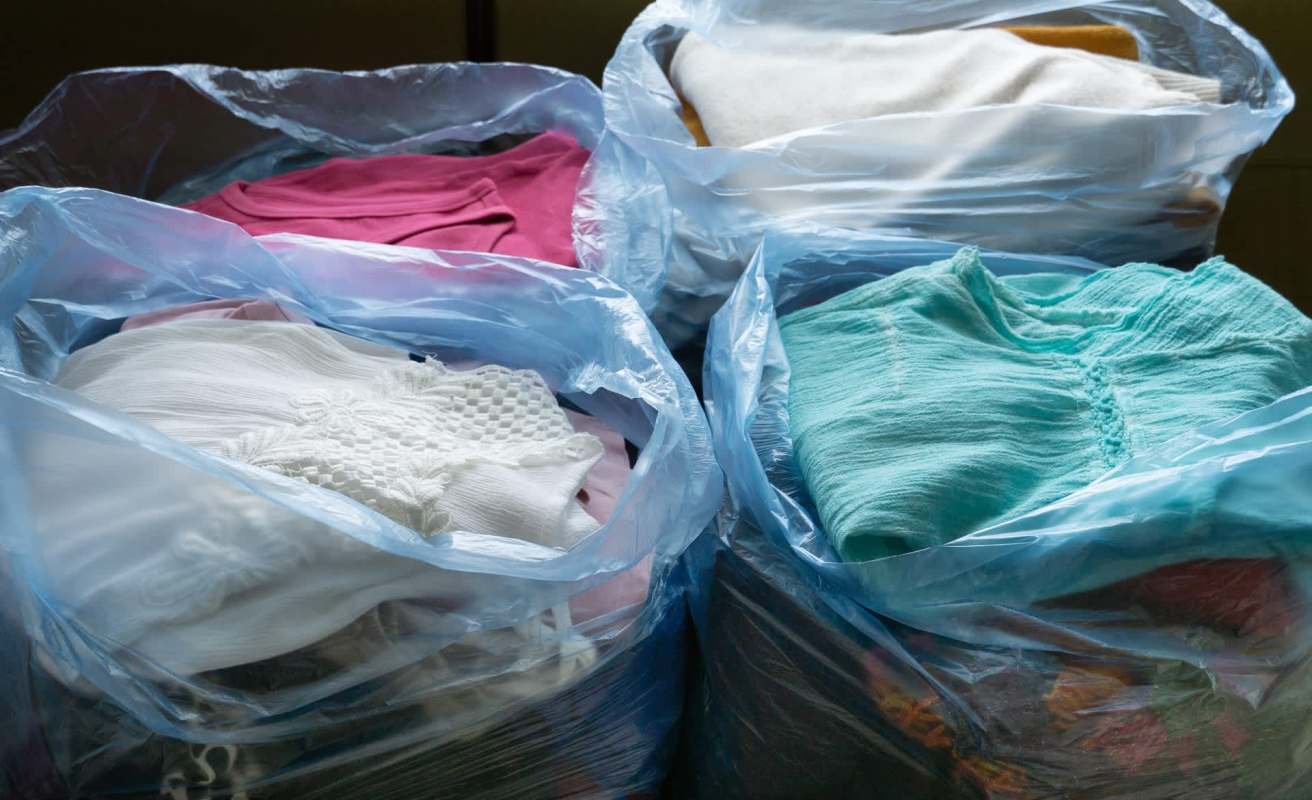
As a parent shared on Reddit, the hardest part of a closet cleanout may be figuring out where the rest can go when the usual donation options dry up.
Here's what to know
With a child moving through sizes quickly and some of their own older clothes no longer fitting, the parent said a growing pile of usable items had been set aside for donation.
In a Reddit post in r/Anticonsumption, the original poster said nearby thrift stores seemed swamped and wrote, "I hate throwing perfectly good clothes (or anything) in the trash."
"In a spring clean frenzy, I did end up tossing one bag and it hurt but a part of me was relieved to have it gone," they continued.
The OP then asked, "What's everyone's take on trashing perfectly good items? Do we sometimes need to just give in to adding to these landfills."
One commenter suggested, "Some low maintenance options are the buy nothing facebook groups. Just sort based on size. Bag them up and give it away."
TCD Picks » Quince Spotlight
💡These best-sellers from Quince deliver affordable, sustainable luxury for all




Other commenters brought up hyperlocal options including school nurses, churches, women's shelters, daycares, and even leaving a "free" box outside. For families on tight budgets, those hand-me-down channels can cut clothing costs right away.
More background
When people throw usable clothes away, households lose the chance to pass along goods that could help another family avoid buying new products. That kind of reuse can stretch budgets while reducing clutter.
It can also have the neat effect of creating a circular economy. By keeping functioning items in use, that can lead to less waste in landfills and less methane in the air.
It's impossible for one person to fix the climate crisis, and if you have to throw away a bag of trash, that isn't the end of the world. Your individual actions can be more effective, however, when you work with the community around you to share resources.
Where can I learn more?
The solutions that others have come up with for dealing with overconsumption have had different effects in different places.
• Across the U.S., a thrift boom driven by Gen Z kept more textiles from landfills.
• Online resale apps like Depop fueled a debate over secondhand scarcity in local thrift aisles.
• At thrift stores, cheap bargains became clutter when shoppers grabbed more than they needed.

Get TCD's free newsletters for easy tips, smart advice, and a chance to earn $5,000 toward home upgrades. To see more stories like this one, change your Google preferences here.






