


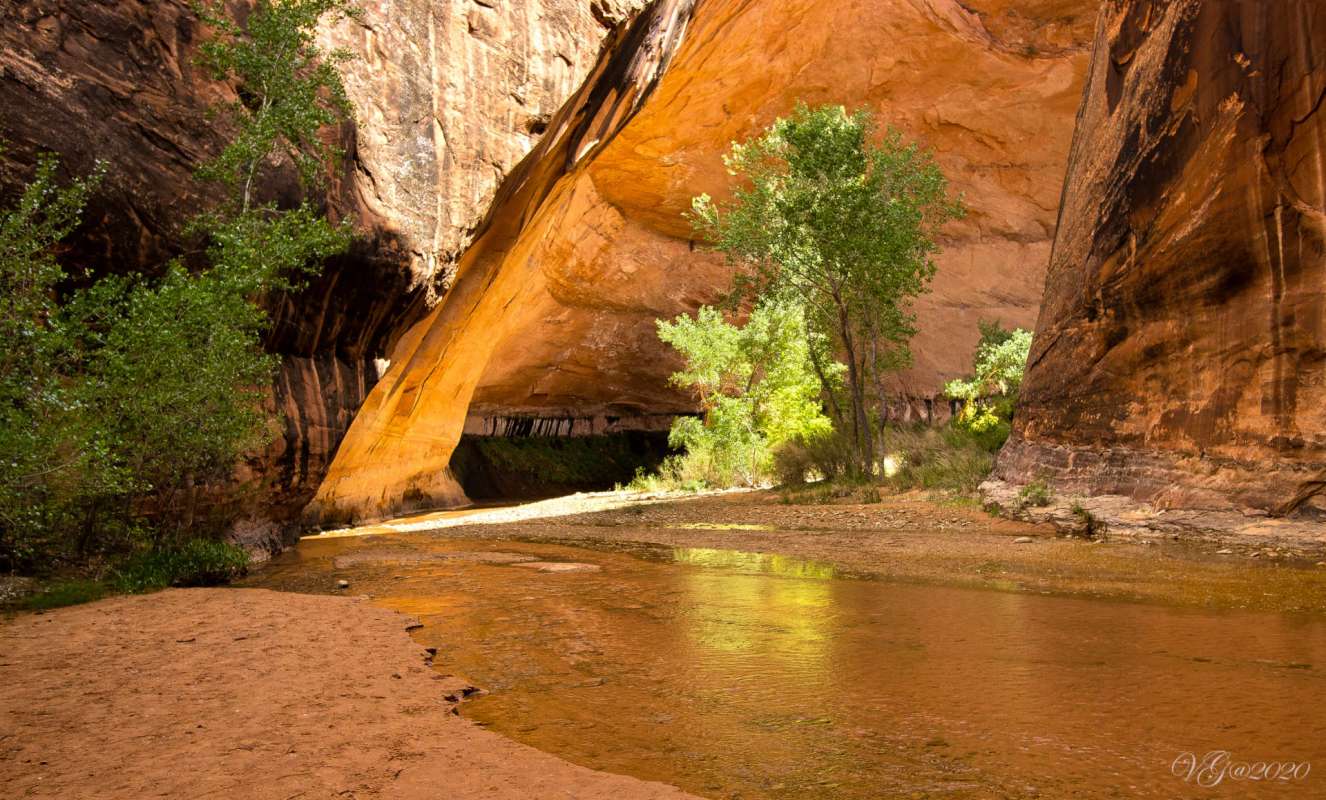
In southeastern Utah, crews had to call in a Chinook helicopter to extract a 75 million-year-old dinosaur fossil after a Black Hawk could not lift the nearly 5,000-pound block of rock around it. On July 13, the place where the fossil was found had its federal protections drastically reduced.
According to The Washington Sun, President Donald Trump signed a proclamation that reduced Grand Staircase-Escalante National Monument to less than 10% of its former size and described the region's dinosaur fossils as "common" and "not unique" — wording paleontologists strongly disputed.
Here's what to know
Scientists describe Grand Staircase-Escalante as one of the richest windows into the Late Cretaceous period anywhere in the world, with fossils so unusual that many have not been identified anywhere else.
"Nearly all of the dinosaurs and other fossils preserved in the region have been found nowhere else," Joe Sertich, a paleontologist who has studied in Utah for more than a decade, said, per the Sun.
For years, researchers and officials have tried to turn those discoveries into a world-class museum draw that could boost tourism, education, and economic growth in rural Utah.
Trump's reduction of the monument, opening up 900,000 acres to mining, comes down to a debate about what should define the region's future: conservation and scientific study, or mining and coal development.
TCD Picks » Quince Spotlight
💡These best-sellers from Quince deliver affordable, sustainable luxury for all




Natural resources have value that speaks for itself, but Alan Titus, former monument paleontologist for the Bureau of Land Management, called Trump's characterization "an absolute distortion of reality," according to the Sun.
More background
Since Grand Staircase-Escalante was designated in 1996, paleontologists say fossil discoveries have increased as better tools and transportation made remote fieldwork easier. In some cases, crews have used helicopters more commonly associated with wildfire operations to haul fossils out of the backcountry.
Researchers say shrinking the monument could set back nearby communities by making research funding, museum investment, and scientific infrastructure harder to secure. They argue that without the visibility of monument status, Utah could lose out on steady jobs and tourism tied to discoveries of global significance.
Scientists also worry that protections could be weakened. Federal law still covers vertebrate fossils on Bureau of Land Management land, but researchers say monument status helped deter theft and back strict oversight. Sertich and Titus warned that growing demand could make illegal fossil trafficking more attractive.
What's being done?
The BLM has said it has a legal duty to protect paleontological resources and that its partnerships with museums and universities will remain in place. The agency also said the boundary changes would not alter efforts to expand research and curation capacity in Utah, the outlet reported.
Some local leaders see a potential upside, arguing that the cuts could bring attention to the area's dinosaurs and reinforce their long-running campaign for a museum. Garfield County officials say feasibility studies and seed funding efforts are underway, and they believe the region's fossil record can attract visitors with or without monument branding.
Scientists, however, favor a different course: keep funding fieldwork, protect large landscapes before fossils are exposed or taken, and treat public lands as shared community assets rather than extraction zones.
"We need common sense, but we don't want to just throw out the baby with the bathwater. It's just sad," state paleontologist James Kirkland told the Sun. "We had so much to offer, and this is not going to help anybody."
Where can I learn more?
The clash over fossils and federal protection at Grand Staircase-Escalante is part of a much bigger fight over public land.
• In Alaska, warnings grew over oil and gas drilling across the National Petroleum Reserve.
• In the U.K., watchdogs warned protected sites were unchecked for a decade, weakening conservation oversight.
Decisions regarding land use have far-reaching implications, raising the stakes for researchers, locals, and natural habitats.

Get TCD's free newsletters for easy tips, smart advice, and a chance to earn $5,000 toward home upgrades. To see more stories like this one, change your Google preferences here.






