


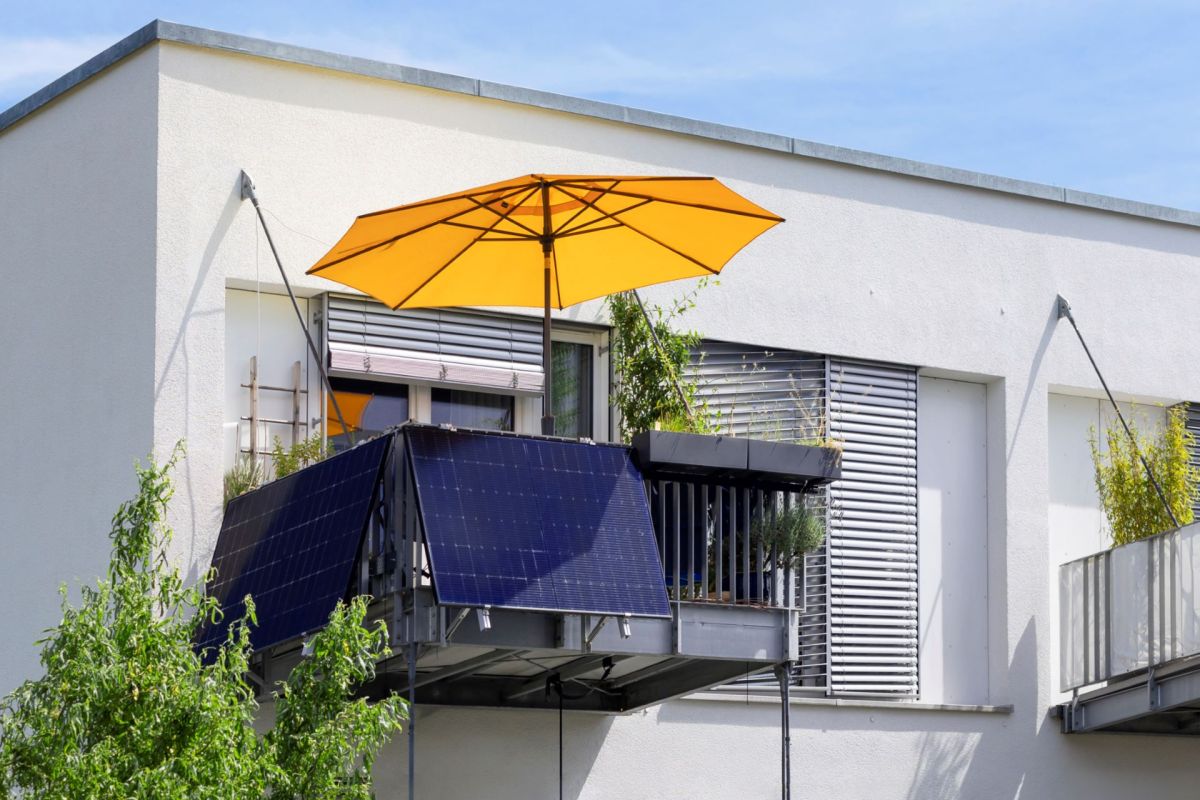
One California homeowner hoping to cut utility costs with a small plug-in solar setup got a blunt warning from fellow DIYers: Saving money on electricity may be possible, but only if the electrical side is handled safely first.
Here's what to know
While waiting on Governor Gavin Newsom's signature on California's recently passed solar bill, the homeowner, who posted to Reddit's r/SolarDIY community, said they want to be "ready to install right away to lower my energy bill."
In the Reddit discussion, the original poster said outdoor room was limited and asked if a wall-mounted array was worthwhile, whether 400 to 800 watts would noticeably lower bills, and whether a 20-amp, 120-volt circuit was enough for a plug-in system limited to 1,200 watts.
Several commenters focused less on panel size than on wiring. One wrote, "It is important unless you can control that nobody else is using it. The reason a dedicated circuit matters more with plug-in solar is that you've added a second source of power downstream of the breaker."
The legal and practical case for a separate line came up repeatedly. Another commenter wrote, "Legally speaking, the bill requires a dedicated circuit. If you don't have one, you can't do balcony solar."
One user added that a dedicated circuit would allow the homeowner to run a plug-in 1200w inverter at full output without needing to worry about the bill's 80% rule. They wrote, "Personally, I'd use a dedicated circuit and max it out if possible."
More background
A smaller setup can offer a lower-cost entry point than a full rooftop installation, especially for households that want to offset daytime power use without committing to a major project.
That's why dozens of states are advancing balcony solar legislation, allowing many more renters and homeowners to benefit from plug-in solar panels. To check the status of balcony solar legislation in your state, check out Bright Saver's map.
Save $10,000 on solar panels without even sharing your phone number Want to go solar but not sure who to trust? EnergySage has your back with free and transparent quotes from fully vetted providers that can help you save as much as $10k on installation. To get started, just answer a few questions about your home — no phone number required. Within a day or two, EnergySage will email you the best local options for your needs, and their expert advisers can help you compare quotes and pick a winner. |

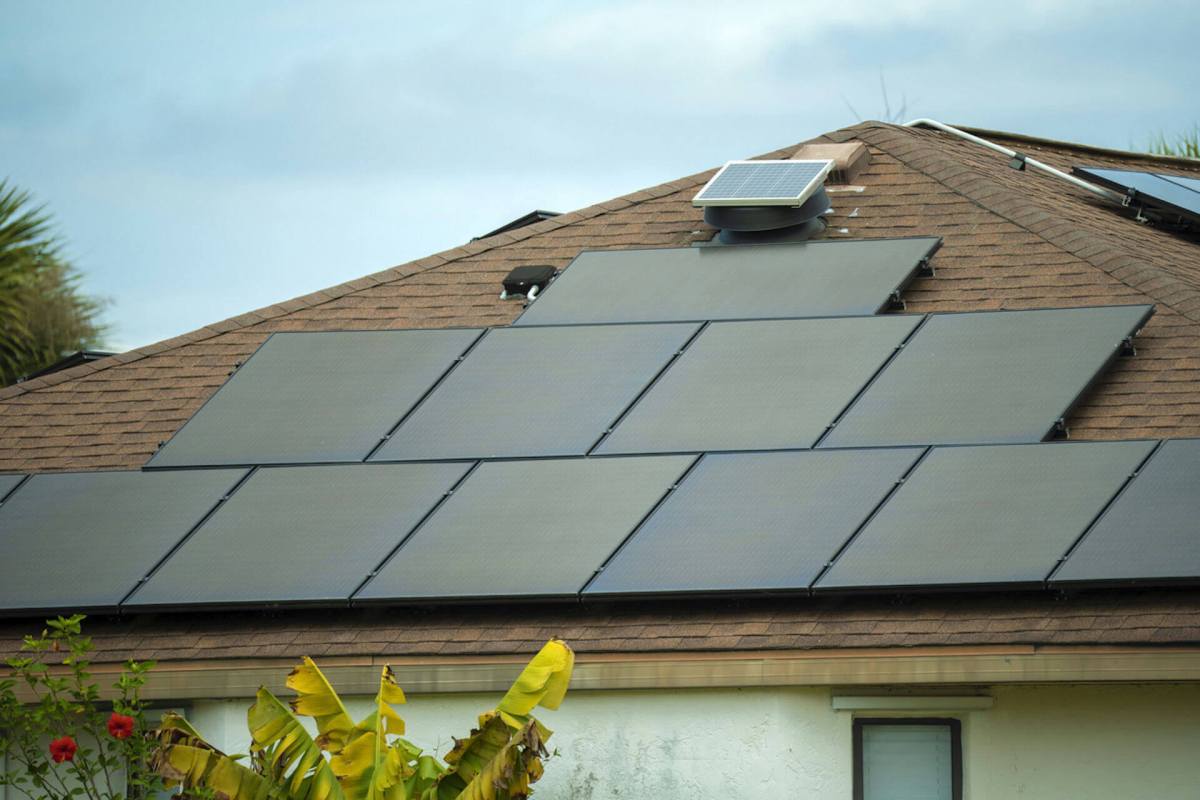
If a plug-in setup starts to seem too restrictive, though, conventional rooftop solar may offer a stronger payoff. Before buying equipment, it can help to explore EnergySage to get free solar installation estimates and compare quotes. Those who do can save up to $10,000 on solar purchases and installations.
EnergySage's solar map also shows the average cost of a home solar panel system on a state-by-state level, as well as details on solar panel incentives for each state. Together, those resources can help readers get the best price for rooftop solar panels and access available incentives.
Where can I learn more?
California's plug-in solar push is moving quickly, but homeowners still have to sort through the rules, the equipment options, and the financial tradeoffs that come with any solar project. Each article looks at a different piece of that puzzle, from state policy and consumer protections to the incentives that can sway the math between a small outlet-based setup and a full rooftop system.
• California lawmakers approved plug-in solar through wall outlets, opening a cheaper path to lower bills.
More From EnergySage
💡Go deep on the latest news and trends shaping the residential solar landscape


• Solar industry insiders warned homeowners that common scams can cost tens of thousands during installations.
• Homeowners weighing rooftop systems learned tax incentives could trim thousands off installation costs.
For homeowners hoping to cut bills quickly, the policy details and the fine print can matter just as much as the panels themselves.

Get TCD's free newsletters for easy tips, smart advice, and a chance to earn $5,000 toward home upgrades. To see more stories like this one, change your Google preferences here.






