


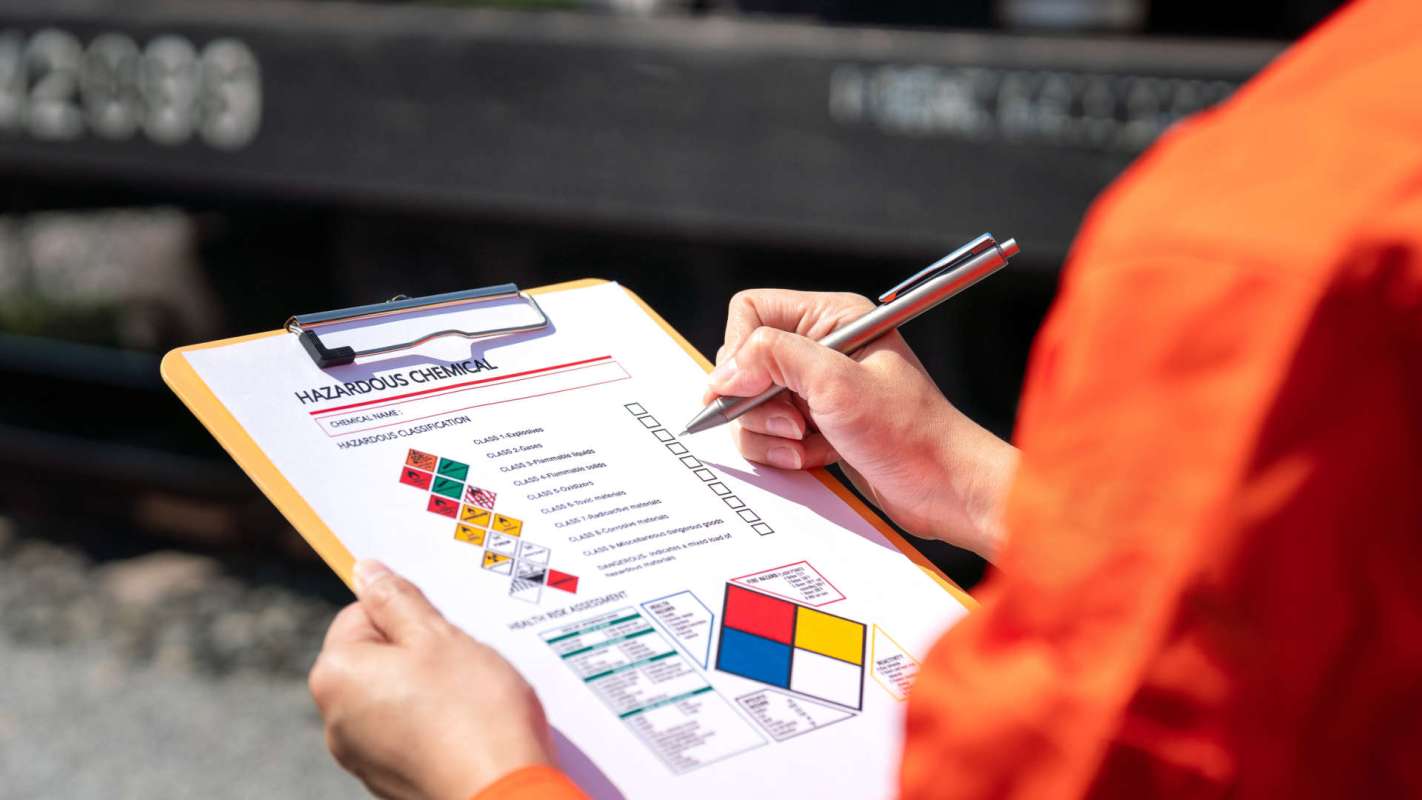
Washington regulators have levied a penalty of more than $1 million against a national hazardous-waste company after alleging that a Lakewood site near homes mishandled used oil, solvents, and other toxic materials and improperly stored hazardous waste.
Here's what to know
Inspectors said Crystal Clean's Lakewood facility broke several Washington hazardous-waste laws during a two-year stretch, prompting the Washington Department of Ecology to issue a $1.04 million penalty, according to the Washington State Standard.
Ecology said the violations involved materials including used oil and solvents, and the agency described the action as its largest fine against a single company in 2026.
The agency said its review found more than 120 cases of inaccurate or misleading paperwork, as well as shipments sent to facilities not authorized to accept them. Regulators also accused Crystal Clean of storing hazardous waste improperly and changing shipping documents without telling customers.
Ecology further alleged that Crystal Clean presented itself as a designated facility for dangerous waste even though it lacked the required permit.
More background
Used oil, solvents, and similar industrial byproducts can pollute soil and waterways if they are spilled, stored carelessly, or taken to facilities that are not equipped to handle them.
TCD Picks » Quince Spotlight
💡These best-sellers from Quince deliver affordable, sustainable luxury for all




Companies commonly hire waste service providers such as Crystal Clean to take hazardous material to properly permitted disposal sites. Under that system, the waste is supposed to be tracked from "cradle to grave."
If a vendor changes shipping records or reroutes material without telling clients, the companies that hired it may not realize the chain of custody has been compromised.
What's being done?
For the alleged violations, Ecology assessed Crystal Clean a $1.04 million fine.
The dispute could move through Washington's formal review process.
Crystal Clean CEO Brian Recatto said, "We intend to appeal the penalty assessment, but we do also intend to fully cooperate with the department."
If the company files that appeal, the state Pollution Control Hearings Board would hear the case.
Ecology says hazardous-waste oversight depends on tracing where shipments go.
"If you ship an important package, you expect the delivery service to know where it is, handle it properly and deliver it to the right location," said Katrina Lassiter, manager of Ecology's hazardous waste program. "Hazardous waste isn't being managed correctly or safely if we don't know where it's going for disposal."
Where can I learn more?
The action against Crystal Clean is part of a push by regulators and investigators to examine how companies manage hazardous materials and market their environmental practices. The articles here cover toxic chemical pollution, questionable waste-processing operations, and corporate claims that drew legal or policy scrutiny.
• Maryland accused Gore-Tex manufacturer W.L. Gore of leaving a toxic legacy through chemical pollution.
• In India, investigators found approved e-waste plants relying on ghost operations for recycling.
• In Washington, Waiākea faced a lawsuit over eco-friendly claims tied to single-use plastic.
Across these cases, the same question keeps surfacing: Do companies' environmental claims and day-to-day handling practices hold up under scrutiny?

Get TCD's free newsletters for easy tips, smart advice, and a chance to earn $5,000 toward home upgrades. To see more stories like this one, change your Google preferences here.






