


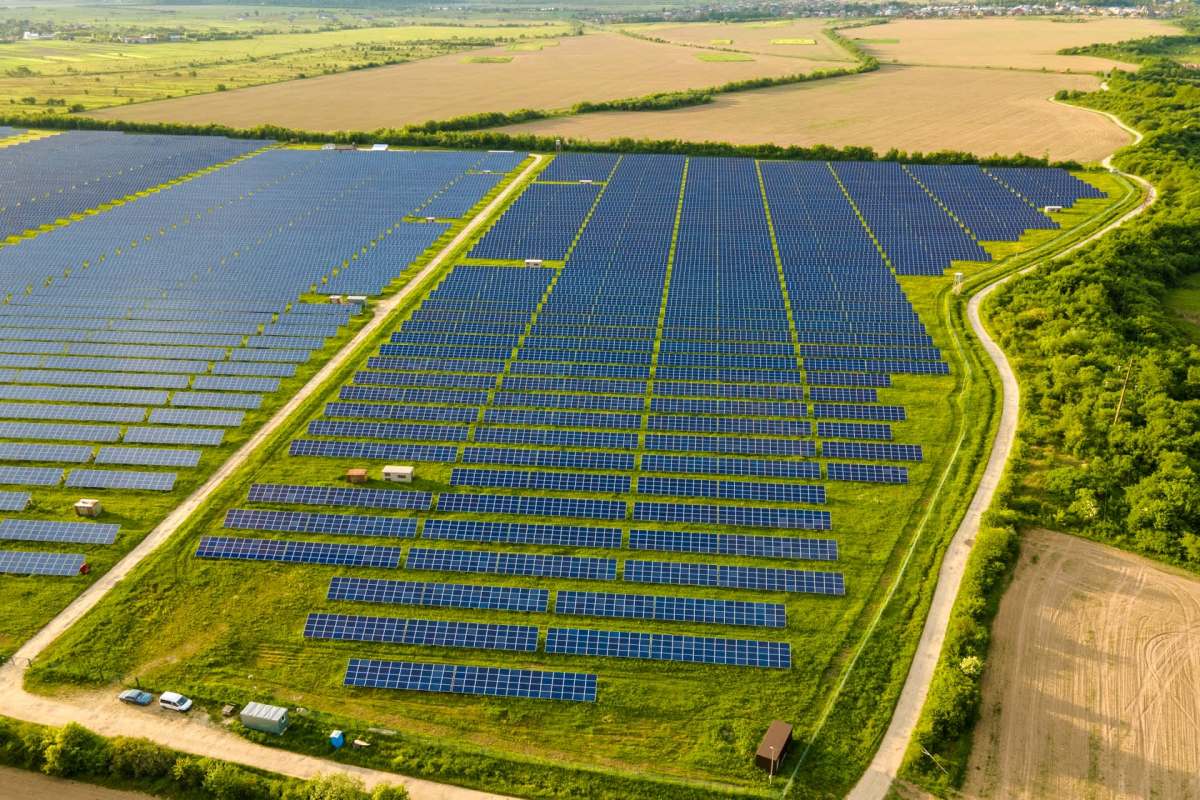
A fight over solar rules in one Virginia county is turning into more than a local land-use debate. Botetourt County's planning commission is scheduled to review a draft solar ordinance on September 14, and the dispute could carry consequences beyond the county.
In Virginia, rural localities that put too many obstacles in the way of utility-scale solar projects may eventually invite the state to take more control of those decisions, according to Cardinal News.
Here's what to know
Under Virginia's 2020 Clean Economy Act, the state's two largest utilities must eliminate carbon emissions on a timetable: Dominion Energy by 2045 and Appalachian Power by 2050.
Those mandates have increased the push for renewable generation, with solar standing out because it is comparatively inexpensive and faster and easier to build.
Local resistance in Botetourt has been hard to miss. When two solar projects were up for debate, signs around the county declared, "Keep Botetourt Green — No Industrial Solar." One proposal was later withdrawn, and the other was rejected.
Another flashpoint is the possibility of state action. Virginia lawmakers already require localities to consider solar projects one by one and to explain denials to Richmond, rather than impose blanket bans. If rejections keep piling up, the state could choose to step in more forcefully.
TCD Picks » Quince Spotlight
💡These best-sellers from Quince deliver affordable, sustainable luxury for all




More background
What is happening in Botetourt matters beyond that county because Virginia's clean-energy shift will require land, much of it in rural areas.
Cities drive most power demand, but utility-scale solar needs open space — and that space is often found in counties where residents are more wary of this kind of development.
The result is a political mismatch. Lawmakers from more urban areas helped set Virginia's climate targets, while many people in rural communities feel they are the ones expected to take on the visual and land-use consequences.
Still, making solar harder to build also makes it harder for Virginia to meet its carbon-free targets.
Even without the added electricity demand from data centers, Virginia would still see a surge in solar proposals because state law has already created demand.
Other possibilities, including small modular nuclear reactors, battery storage, wind and pumped hydro, are also being discussed, but solar remains one of the cheapest, quickest and easiest options to build.
What's being done?
Virginia is moving to strengthen the rules around this. Counties cannot adopt across-the-board no-solar policies. They have to review individual proposals and give reasons when they say no.
But local governments still retain some ability to influence what solar development looks like.
The state is also promoting other solar routes, such as parking-lot canopies and plug-in residential solar. Those approaches could help, but they still don't replace the need for utility-scale projects.
Where can I learn more?
Richmond's solar policy reaches well beyond county battles over utility-scale projects. It also reflects the state's push to expand other kinds of solar, even as large rural installations remain the biggest political flashpoint.
• In Virginia and Connecticut, advocates pushed faster home solar permitting for cheaper household power.
• In Maryland and Virginia, new laws let residents use plug-in balcony solar at home.

Get TCD's free newsletters for easy tips, smart advice, and a chance to earn $5,000 toward home upgrades. To see more stories like this one, change your Google preferences here.






