


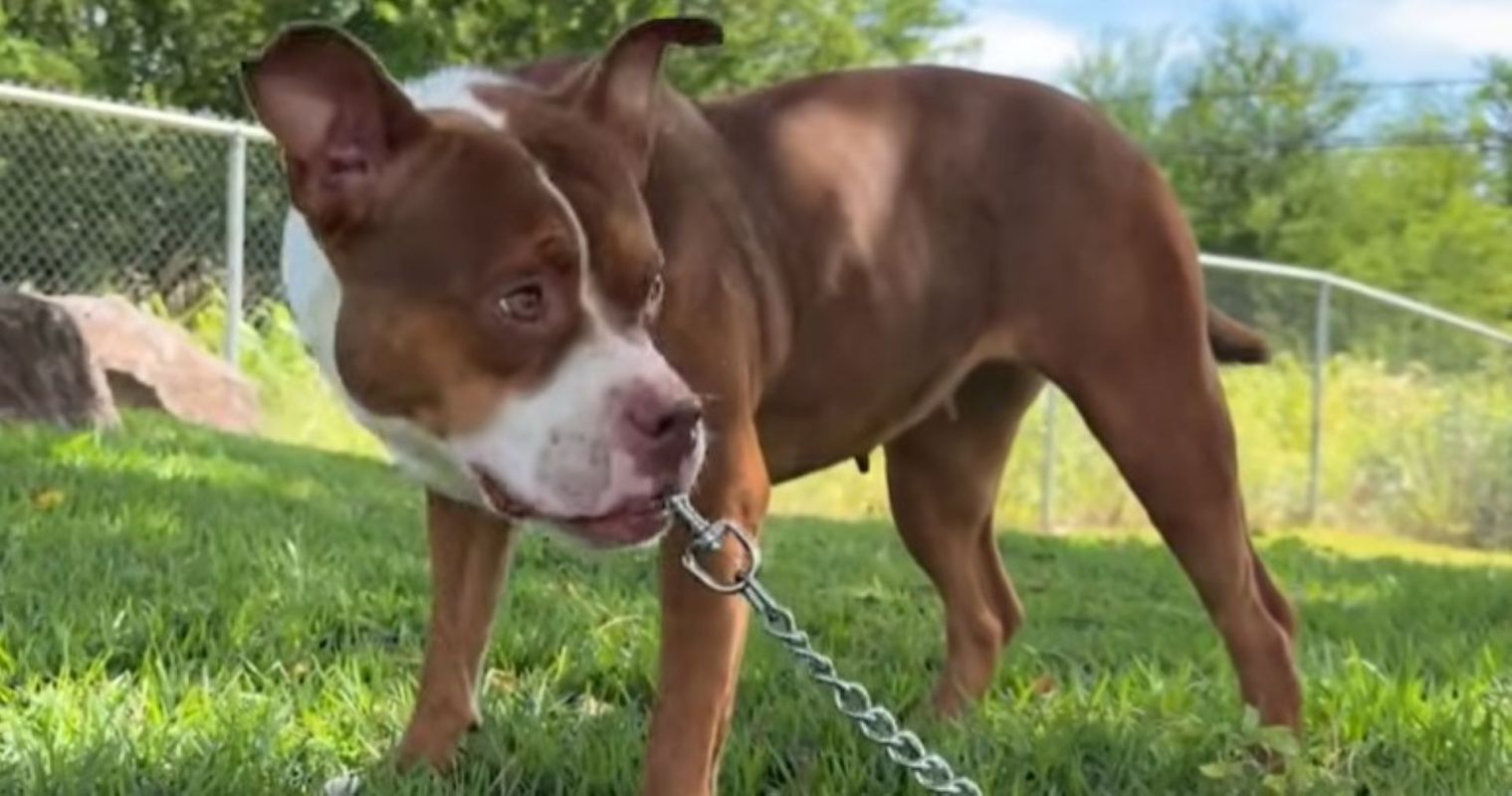
A television appeal about dozens of underage puppies needing help in Honolulu ended up changing the lives of two siblings.
What began as a temporary foster placement ended with Carolyn Mariano adopting Lalo and Lilo, KHON2 reported. Now, she plans to train the two puppies as service dogs.
Here's what to know
Lalo and Lilo are among the 51 puppies the Hawaiian Humane Society was caring for in July because they were still too young to be adopted. After the shelter's call for help aired, it received 33 foster applications, KHON2 reported. For these adorable pups, the call for volunteers meant that they wouldn't only have a safe place to grow up in, but they would also get to stick together.
Mariano took in the brother-and-sister pair after seeing the request for foster volunteers on TV, originally intending to care for them only until they reached adoptable age.
"I thought to myself, I have some free time. I could commit to these pups, and I'm going to go down and help out," said Mariano. "So I thought what I would do initially was just take these four-week-old puppies and take them for about three weeks, four weeks, and bring them to an adoptable age."
By the time Mariano found out that Lalo had been one of the puppies shown in the original news segment, she had already decided she wanted to keep the two siblings together. "As time marched on, I realized that there was a bond being created between myself and the puppies, and one thing led to another," said Mariano.
TCD Picks » Quince Spotlight
💡These best-sellers from Quince deliver affordable, sustainable luxury for all




More background
Young puppies may require extra feeding, socialization, medical monitoring, and space that shelters do not always have in abundance, especially when many animals arrive at once.
Foster homes can give vulnerable animals a safer place to grow until they are ready for adoption while also easing pressure on shelter staff and kennel space. In this case, fostering also helped preserve a sibling bond that might otherwise have been harder to maintain.
The Hawaiian Humane Society sometimes sees adoptions that people jokingly describe as "foster failures," according to Hawaiian Humane Society communications and marketing director Brandy Shimabukuro, though she prefers a name with a more positive tone. "I hate calling it foster failures because it's not a failure to me. I call them foster fits because it's really about finding a loving home," said Shimabukuro, who has two "foster fits" of her own.
What's being done?
Shimabukuro said Hawaiian Humane connects animals with temporary caregivers through programs such as Couch Crashers and its foster care program, and she stressed that adopters are not expected to come out of that process.
"When you foster either through Couch Crashers or Hawaiian Humane's foster care program, it's not the expectation that you fall in love and want to adopt them," said Shimabukuro. "It's something that can happen, of course, but that isn't the expectation. So no pressure if you want to come in and foster and you just want to continue doing that because it's still a massive need and it really is a life-saving opportunity for that pet."
Some potential volunteers may worry they are taking on an ongoing commitment, when what shelters often need most is short-term support. Mariano's experience shows one possible outcome, but even a few weeks of care can help puppies reach adoptable age, improve their chances of placement, and open space for other animals in need.
As Shimabukuro put it: "At the end of the day, that's not a failure at all."
Where can I learn more?
Lalo and Lilo's story is one of many examples of rescue animals turning a corner once they reach foster care or adoption. These articles span former lab beagles in Canada and reunited puppies in Florida, showing how quickly a temporary home, a steady companion, or a permanent placement can change an animal's path.
• After years in labs, 12 beagles reach Canada foster homes and finally feel grass and sunlight.
• At a Florida dog park, long-lost rescue puppies reunite and seem to recognize each other instantly.
• A rescued Lab Beagle finds comfort in a foster brother as both dogs heal.
• At Greenville Humane Society, an overlooked shelter mama gets tacos, toys, and a shot at home.

Get TCD's free newsletters for easy tips, smart advice, and a chance to earn $5,000 toward home upgrades. To see more stories like this one, change your Google preferences here.






