


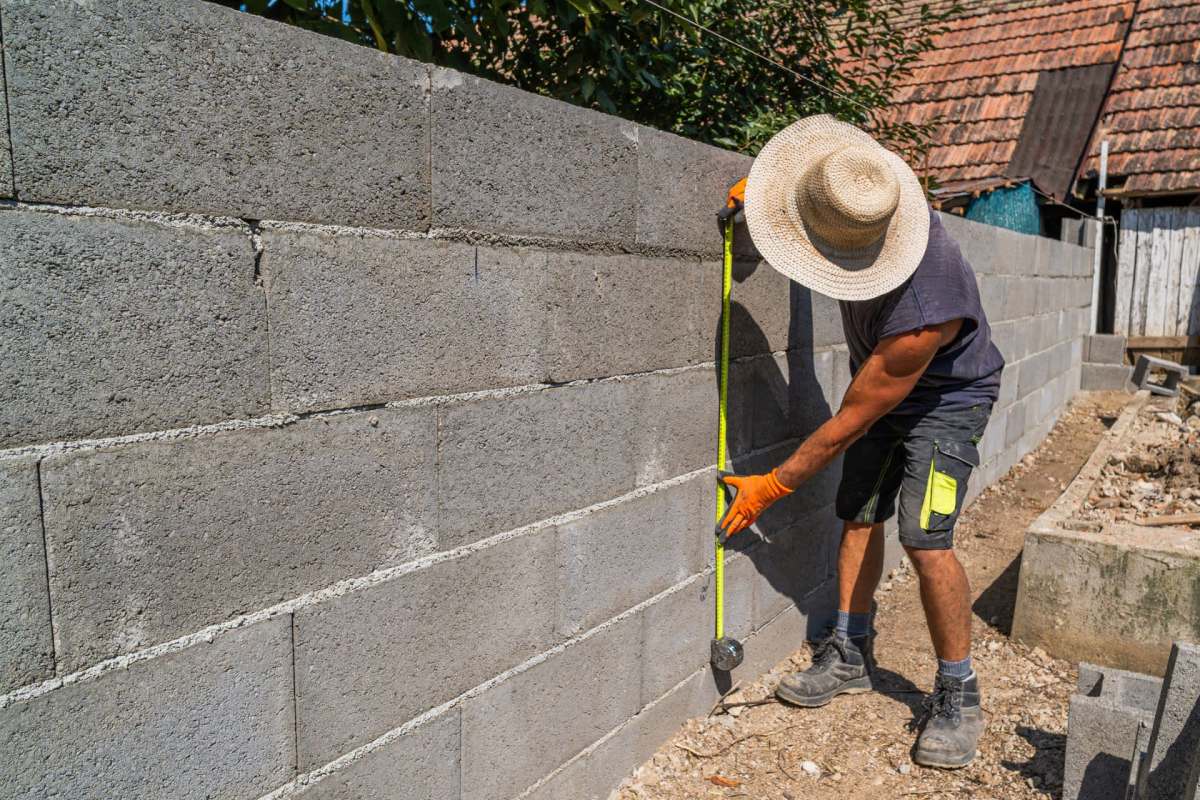
If you need a retaining wall for a sloped yard, the material you choose can shape your landscape for decades.
A growing case is being made for skipping standard concrete blocks and using greywacke sandstone instead.
Here's what to know
According to House Digest, greywacke sandstone can be a stronger retaining-wall option, particularly where erosion control is a major concern.
Concrete remains a common choice, but it can develop freeze-thaw damage and slowly deteriorate over time.
Greywacke sandstone dates back about 440 million years and has been used in both construction and art, including ancient Egyptian artifacts.
It also has a concrete-like gray color, but with a more organic texture and visible sediment variation.
TCD Picks » Quince Spotlight
💡These best-sellers from Quince deliver affordable, sustainable luxury for all




For homeowners shaping a sloped lawn, that natural look may work well in spaces designed for planting terraces and better drainage. In those situations, a retaining wall does more than add style — it often keeps soil from shifting.
More background
House Digest reported cost averages of about $30 to $50 per square foot installed for a natural stone retaining wall, versus roughly $20 to $35 per square foot for concrete block walls.
If the wall is expected to stay in place for decades, that extra upfront cost may be easier to justify. Greywacke sandstone is described as better able to withstand long-term wear, temperature changes, and constant pressure — a durability advantage that could mean less repair work later.
For sloped properties, pairing a durable retaining wall with thoughtful planting can help protect soil and turn hard-to-use space into functional garden areas.
Spending more upfront on the right retaining wall material could pay off in more stable soil, fewer headaches, and a yard that is easier to transform into a more usable outdoor space.
Where can I learn more?
Retaining walls are just one part of how a yard handles erosion and runoff. Other materials, including garden mesh for slopes, reinforcement for construction sites, and cleaner concrete alternatives, can make for effective landscaping additions.
• Minnesota officials are considering hemp-based material to strengthen construction sites where erosion is a concern.
• Gardeners are using jute mesh for low-cost slope stabilization when soil starts washing away.
• Scientists and engineers have found olivine minerals in cement could make future concrete carbon-negative.
For homeowners deciding between stone and concrete, those examples offer a wider view of how material choices can shape drainage, durability, and upkeep over time. That broader context can help when you're trying to build a slope that lasts.

Get TCD's free newsletters for easy tips, smart advice, and a chance to earn $5,000 toward home upgrades. To see more stories like this one, change your Google preferences here.






