


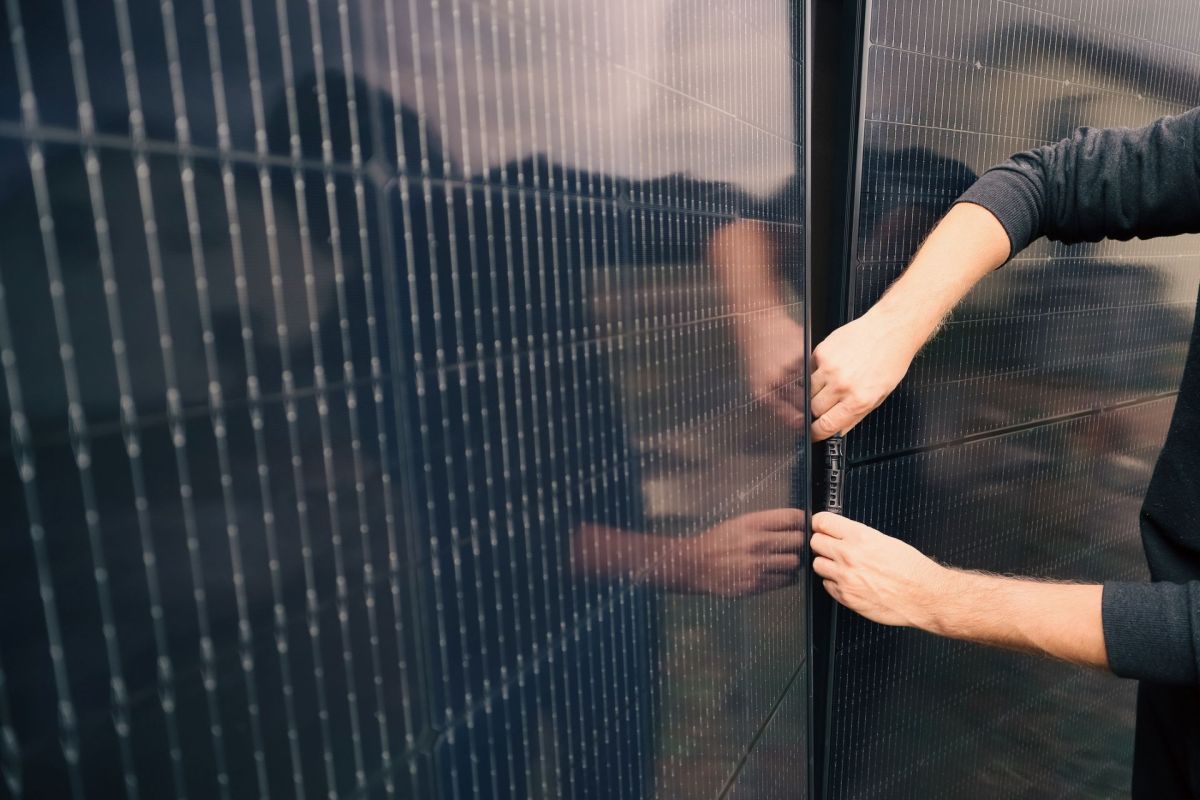
New Jersey residents looking to lower their electric bills now have a new, more accessible solar option.
Portable plug-in solar panels that meet safety standards are now legal to buy online and at local home improvement stores, giving renters and homeowners a simpler, cheaper way to generate some of their own power.
Here's what to know
According to 94.3 The Point, state officials have cleared the way for portable plug-in solar panels, also called balcony solar panels, to become mainstream across the Garden State.
These compact systems are intended to be much simpler and less expensive than rooftop arrays, and Governor Mikie Sherrill said they can still reduce what households pay each month for energy. They are also commonly set up on balconies and in backyards. Most include attached microinverters and connect to a regular 120-volt wall outlet, allowing the power they generate to help run appliances and devices inside the home.
The legislation moved through Trenton in about six months and passed unanimously. Sherrill has now signed off on Bill S2368, also called the Garden State Balcony Solar Act. The new law specifically applies to safety-compliant plug-in energy generators below 1,200 watts and exempts them from utility interconnection and metering rules.
People who use the systems do not have to seek permission from or notify their power companies under the law, making it far easier for most people to get in on solar panel savings.
It also bars landlords, homeowner associations, and municipalities from prohibiting the panels or forcing residents to get permits, reducing several obstacles that could otherwise limit their use, per 94.3 The Point.
After signing Bill S2368 into law, Sherrill said the panels could lower a typical electric bill by as much as $50 per month, or around $600 a year. And according to 94.3 The Point, prices vary by wattage and can run from a few hundred dollars to about $1,500.
Save $10,000 on solar panels without even sharing your phone number Want to go solar but not sure who to trust? EnergySage has your back with free and transparent quotes from fully vetted providers that can help you save as much as $10k on installation. To get started, just answer a few questions about your home — no phone number required. Within a day or two, EnergySage will email you the best local options for your needs, and their expert advisers can help you compare quotes and pick a winner. |

New Jersey is now the ninth state to legalize balcony solar, as dozens more consider bills to legalize these smaller-scale solar systems. To see the status of balcony solar legislation in your state, check out Bright Saver's state-by-state map.
For renters and homeowners who cannot afford, or simply do not want, a full rooftop solar installation, the law now offers a legal, smaller-scale way to offset part of their electricity use.
What can be done?
They are unlikely to meet all of a home's electricity needs, but portable plug-in panels can still be a lower-cost starting point for people who want to generate some of their own power.
For households able to make a bigger upgrade, going solar is still one of the best ways to save money on home energy. It can be worth exploring EnergySage to get free solar installation estimates and compare quotes. Those who do can save up to $10,000 on solar purchases and installations. Reviewing multiple quotes in one place can also help homeowners make a more informed decision before taking on a major project.
More From EnergySage
💡Go deep on the latest news and trends shaping the residential solar landscape

Where can I learn more?
New Jersey isn't the only place warming to plug-in solar. The stories below look at how other states are handling the technology, where the rules are changing, and why renters are becoming a bigger part of the conversation.
• Maryland and Virginia now let residents plug in balcony solar and slash power bills.
• Vermont lawmakers may unleash plug-in solar panels for renters and homeowners alike.
• Across the US, plug-in panels can cut energy costs, though legal access remains limited.
Smaller solar setups are becoming more practical in more states across the US. For readers comparing balcony panels with rooftop systems, these stories offer useful context on cost, legality, and access.

Get TCD's free newsletters for easy tips, smart advice, and a chance to earn $5,000 toward home upgrades. To see more stories like this one, change your Google preferences here.






