


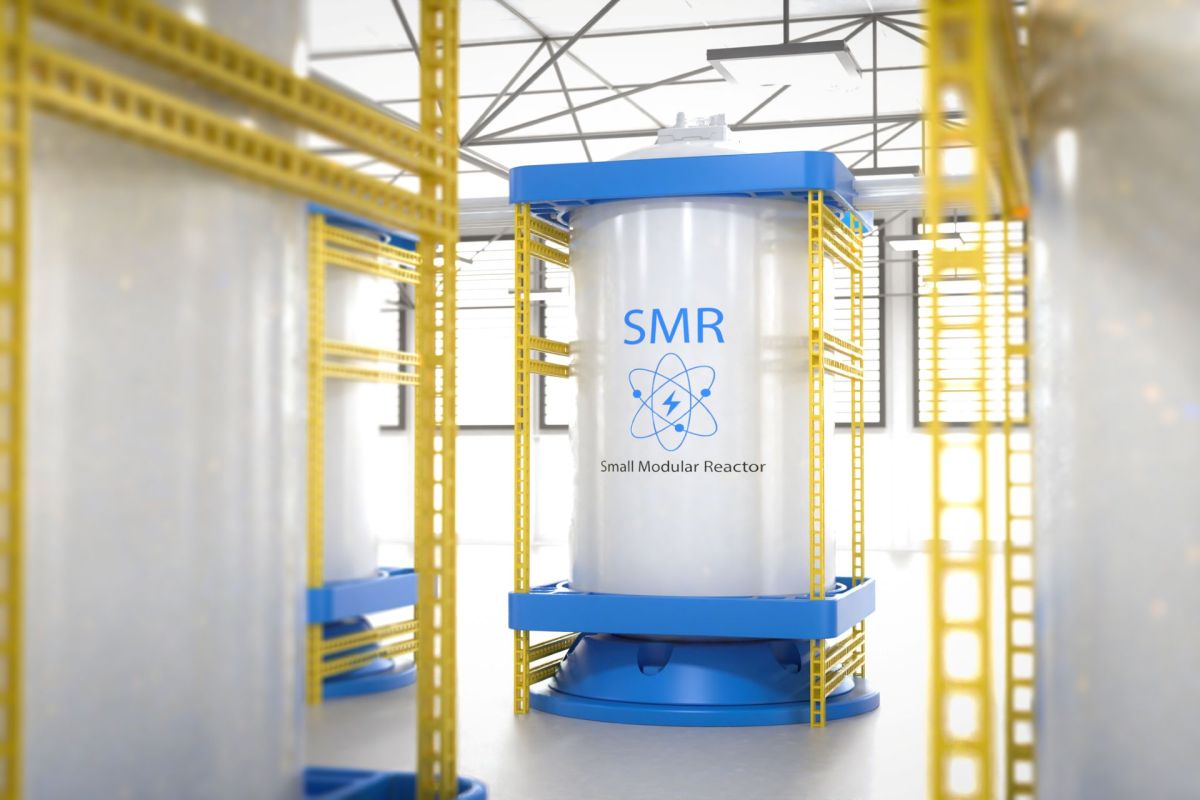
The U.S. Army is directing major funding toward transportable nuclear reactors that can move by road, sea, or air. The push suggests microreactors may be edging closer to practical use.
If the project stays on track, at least one military base could be getting electricity from a microreactor by September 30, 2028.
Here's what to know
The Army has, as Oilprice.com reported, selected five companies and five military installations for its Janus microreactor program, with up to $2.2 billion in federal funding available.
The program pairs Antares Nuclear with Fort Bragg, North Carolina, BWX Technologies with Fort Campbell, Kentucky, General Atomics with Fort Hood, Texas, Radiant Industries with Fort Benning, Georgia, and Westinghouse Government Services with Fort Drum, New York.
For comparison, small modular reactors, or SMRs, generally produce up to 300 megawatts of electric power per unit, and microreactors are smaller still. These reactor designs are built in factories, shipped to where they're needed, and installed faster than traditional large nuclear plants.
Because they can be moved and set up more easily, they may be especially well suited to military bases, remote communities, and emergency response situations where the grid is down or strained.
TCD Picks » Quince Spotlight
💡These best-sellers from Quince deliver affordable, sustainable luxury for all




More background
Current microreactor designs are generally expected to generate about 1 to 20 megawatts of thermal energy, which can be used directly for heat or converted into electricity.
That gives the technology appeal in places that need steady, low-pollution power without the expense and footprint of a full-size nuclear plant.
Still, the technology comes with tradeoffs. Nuclear power can produce reliable electricity with far less air pollution than coal- or gas-fired generation, but it also raises long-standing concerns tied to radioactive waste, safety, security, and steep upfront costs.
Another distinction is fuel: microreactors are expected to use uranium-235 at a higher concentration than conventional reactors.
Interest in nuclear power is growing globally, and the U.S. has made microreactors a particular focus within that push.
President Donald Trump has backed a major expansion of nuclear energy, including conventional reactors, SMRs, and microreactors, aiming to quadruple U.S. nuclear generation by 2050.
What's being done?
The Army's effort follows Executive Order 14299, which made the Army the lead agency for military nuclear energy efforts and set a deadline of September 30, 2028, for an operational domestic military reactor.
Oilprice.com reported that looser federal rules for innovative reactor designs will help support deployment of these reactors.
Private companies are also making moves. Aalo, a Texas company, said that its Critical Test Reactor had gone critical, the point at which a reactor can sustain a controlled chain reaction.
Aalo said, "Our CTR went from groundbreaking to a sustained chain reaction in less than eight months - one of the fastest reactor builds in 80 years - and our company has gone from founding to fission in less than three years."
Aalo is developing 10-megawatt-electric reactors that are intended to be grouped into 50-megawatt "Aalo Pods" for uses including powering AI data centers.
Across the industry, however, developers are still expected to secure billions in private funding for development efforts.
The technology is likely to remain under close watch over questions of cost, waste management, and safety.
As Jeff Waksman, the principal deputy assistant secretary of the Army for installations, energy and environment, put it: "We believe that this will be the spear tip not just for microreactors but for all advanced reactors in the United States… There have been a lot of microreactor companies that have popped up recently, but we need to get them over the hump."
Where can I learn more?
The Army's microreactor push fits into a wider burst of advanced nuclear work, from safer reactor concepts to new approaches for handling waste. That helps explain why compact reactors are drawing interest as a source of reliable, low-carbon power in places with demanding energy needs.
• At Idaho National Laboratory, engineers unveiled game-changing reactor technology that sharply reduces nuclear hazards.
• Developers are advancing molten salt reactor designs that could make next-generation nuclear plants safer.
• Engineers are testing turning nuclear waste into glass to improve long-term storage safety.
• Across the energy transition, nuclear power remains a low-carbon option despite persistent waste concerns.
• Historians note the anti-nuclear movement reshaped energy policy in ways that favored fossil fuels.
Whether microreactors move beyond pilot projects will depend on reactor design, waste management, and public policy as much as military demand. Keeping that bigger picture in mind makes the Army's 2028 target easier to understand.

Get TCD's free newsletters for easy tips, smart advice, and a chance to earn $5,000 toward home upgrades. To see more stories like this one, change your Google preferences here.






