


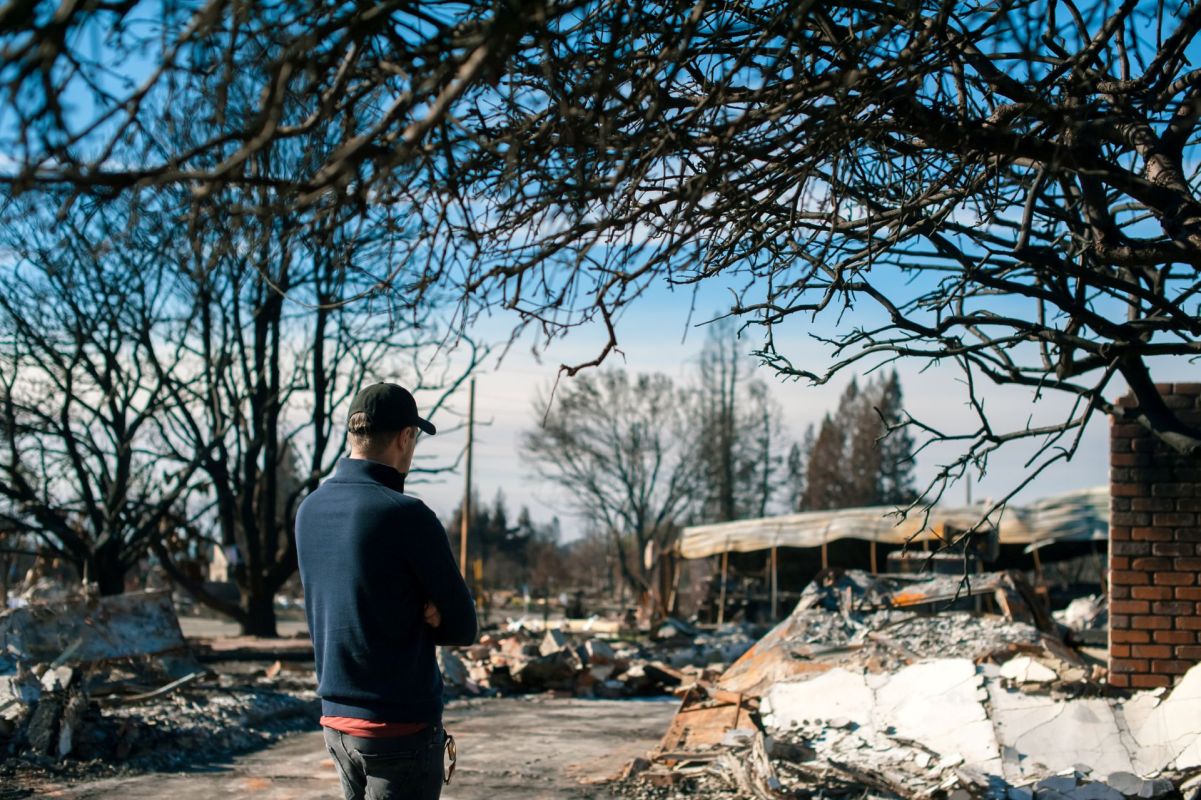
Wildfire survivors in California are trying to redirect the conversation in Sacramento. Instead of arguing over how to divide the costs of catastrophic blazes after they happen, they want state leaders to focus on stopping utility-sparked fires before families lose homes, savings, and stability.
Here's what to know
According to KCRA 3, wildfire survivors want prevention to take precedence over battles about reimbursement after a fire. Their push comes as Pacific Gas & Electric, Southern California Edison, and San Diego Gas & Electric seek to shift part of the financial burden of wildfires onto insurance companies.
That proposal was expected to be part of a last-minute legislative package, but it was ultimately omitted. According to KCRA 3, after utility shares lost billions of dollars in value, the California Assembly scrapped the larger plan and chose to continue negotiations.
A major point of contention is subrogation — the method insurers use to pursue repayment from utilities after fires.
Joy Chen, executive director of Every Fire Survivor's Network, said survivors are being left to shoulder the fallout while companies and shareholders remain insulated.
"It is now 19 months past the Eaton Fire, and at this point, two-thirds of us are still displaced. Retirement savings are drained, credit cards are maxed, and more than half of us will run out of housing funds within the next six months. This is when displacement is really turning into mass homelessness," she said.
TCD Picks » Quince Spotlight
💡These best-sellers from Quince deliver affordable, sustainable luxury for all




Chen also criticized the state's political response.
"It's been very much a slap in the face that while Eaton Fire survivors are suffering as we are, meantime, thanks to the decisions out of Sacramento, Edison's profits have tripled since the fire," she said.
More background
Gov. Gavin Newsom and the utilities support changes they say would limit the financial damage from future wildfires. The companies argue that under California's current liability rules, a major fire could hurt their credit ratings and raise the possibility of another bankruptcy.
Survivors say that argument lets utilities evade responsibility for the unsafe practices they believe caused the destruction in the first place.
Chen questioned why the burden should fall on ratepayers or insurance customers rather than the companies' leadership.
"Shouldn't it be the executives and the shareholders of the companies that keep on setting these catastrophic fires?" she asked.
Chen warned that eliminating subrogation would likely mean even higher premiums and fewer coverage options for homeowners already struggling to protect their property.
She also pointed to what she described as a clear contrast: Some utilities have shown that catastrophic fires are not unavoidable. Chen said San Diego Gas & Electric under Sempra has used safety innovations that she says have kept it from causing major wildfires since 2007, while publicly owned utilities in California have similarly avoided large fires.
What's being done?
Lawmakers have paused rather than passed a deal, leaving room for more negotiations in a possible special session. Survivors are using that opening to press Sacramento for a different set of priorities.
Chen called for stronger oversight of wildfire mitigation spending, saying ratepayers already fund safety work through their utility bills.
She said of PG&E's plan to cut $2 billion in capital improvements, "That's money that was approved by the CPUC for them to spend on these capital improvements. So, they charge us ratepayers. The money that they have is not free money to them. It's money they collected from us for specific improvements. They can't just take that money and transfer it to shareholders in the form of stock buybacks or dividends."
Her group is also pushing for tougher accountability measures that, according to KCRA 3, would limit executive compensation and pause shareholder dividends and stock buybacks until survivors are compensated.

Get TCD's free newsletters for easy tips, smart advice, and a chance to earn $5,000 toward home upgrades. To see more stories like this one, change your Google preferences here.






