


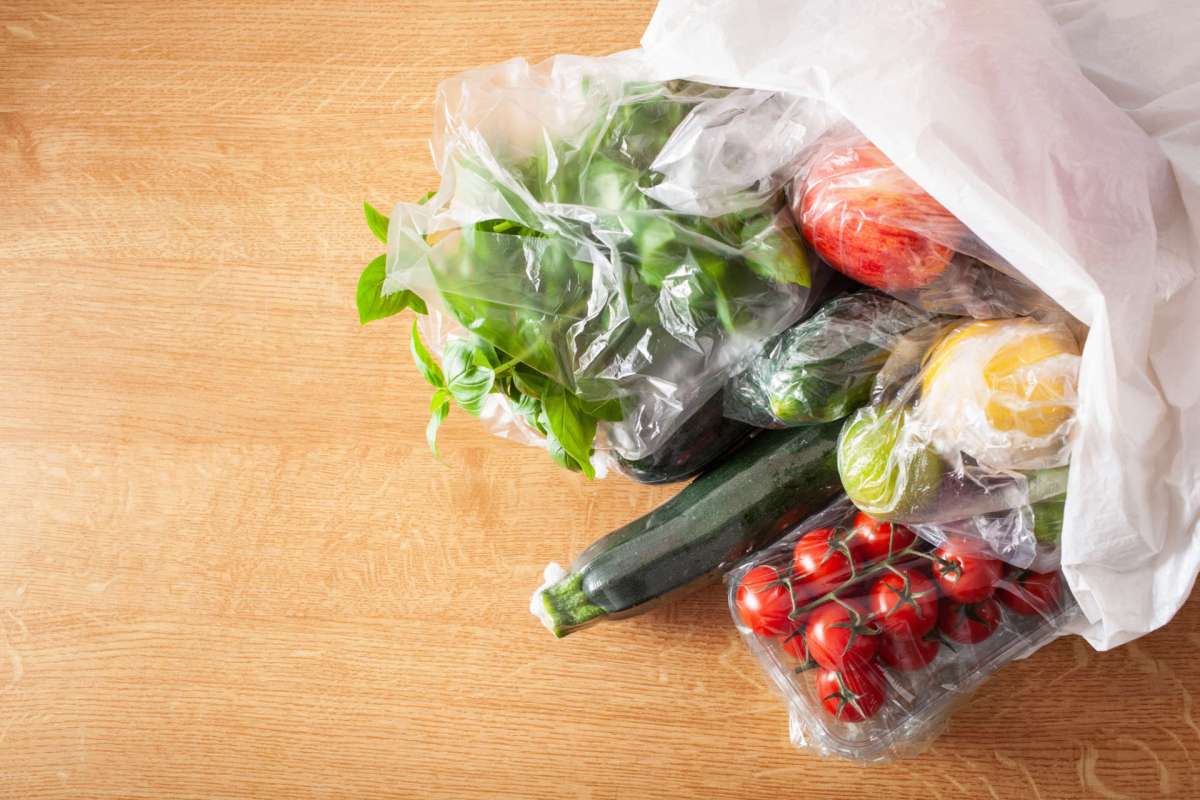
An Australian study revealed that by switching their diets, people were able to lower the amount of plastic-associated chemicals in their urine in just one week.
That results show that grocery choices and kitchen habits may be two of the most useful things to focus on for anyone trying to cut back on their plastic exposure.
Here's what to know
Published in the peer-reviewed journal Nature Medicine, the randomized controlled trial put 60 people through a seven-day program to lower plastic contact from food, food preparation, and personal care products.
Before the intervention, the researchers assessed 211 participants and found that their exposure to plastic was significant, as Science Alert reported. Every person excreted at least six metabolites tied to plastic chemicals each day, and processed or packaged foods appeared to be among the main contributors.
"Our results showed strictly adhering to a diet of food which has not touched plastic, whether that is during production or packaging, can reduce plastic chemicals in our body in as little as a week," Michaela Lucas, a clinical immunologist at the University of Western Australia and the study's senior author, said in a news release, per Science Alert. "If this also carries major health benefits is something that's currently under further investigation."
In the study itself, the researchers wrote, "Changing dietary behaviors; limiting highly processed foods, plastic food packaging and canned goods; and minimizing plastic touchpoints in food storage, preparation, and handling reduces urinary excretion" of plastics and plastic-associated chemicals.
TCD Picks » Quince Spotlight
💡These best-sellers from Quince deliver affordable, sustainable luxury for all




More background
Over 16,000 chemicals are used to make plastics, including phthalates and bisphenols such as BPA and BPS, according to Science Alert. Food can be exposed to bisphenols through containers, linings, cling film, cooking utensils, and water pipes, while phthalates may come from packaging, plates, or utensils.
Researchers still do not know what level of plastic in the body would count as "safe." Numerous epidemiological studies have linked these pollutants to concerns including cardiovascular disease, metabolic syndrome, and even infertility.
According to the study, the people with the lowest levels of plastic-associated chemicals rarely ate fast food, highly processed foods, or foods from plastic packaging or microwaved foods in plastic.
Where can I learn more?
These stories add context to the study's central point, that food packaging and kitchen contact may be some of the biggest drivers of plastic exposure. They look at how new materials and everyday storage habits could cut down on the plastic that comes into contact with food.
• Across the packaging sector, alternatives to plastic food packaging are gaining traction for everyday groceries.
• Plastic-free households are adopting biodegradable sponges for kitchen cleanup to curb disposable plastic use.
• Families are rediscovering a money-saving kitchen hack that keeps food fresh without plastic.
If big exposure reductions start with whatever touches food, then both packaging improvements and simple swaps at home are worth making.

Get TCD's free newsletters for easy tips, smart advice, and a chance to earn $5,000 toward home upgrades. To see more stories like this one, change your Google preferences here.






