


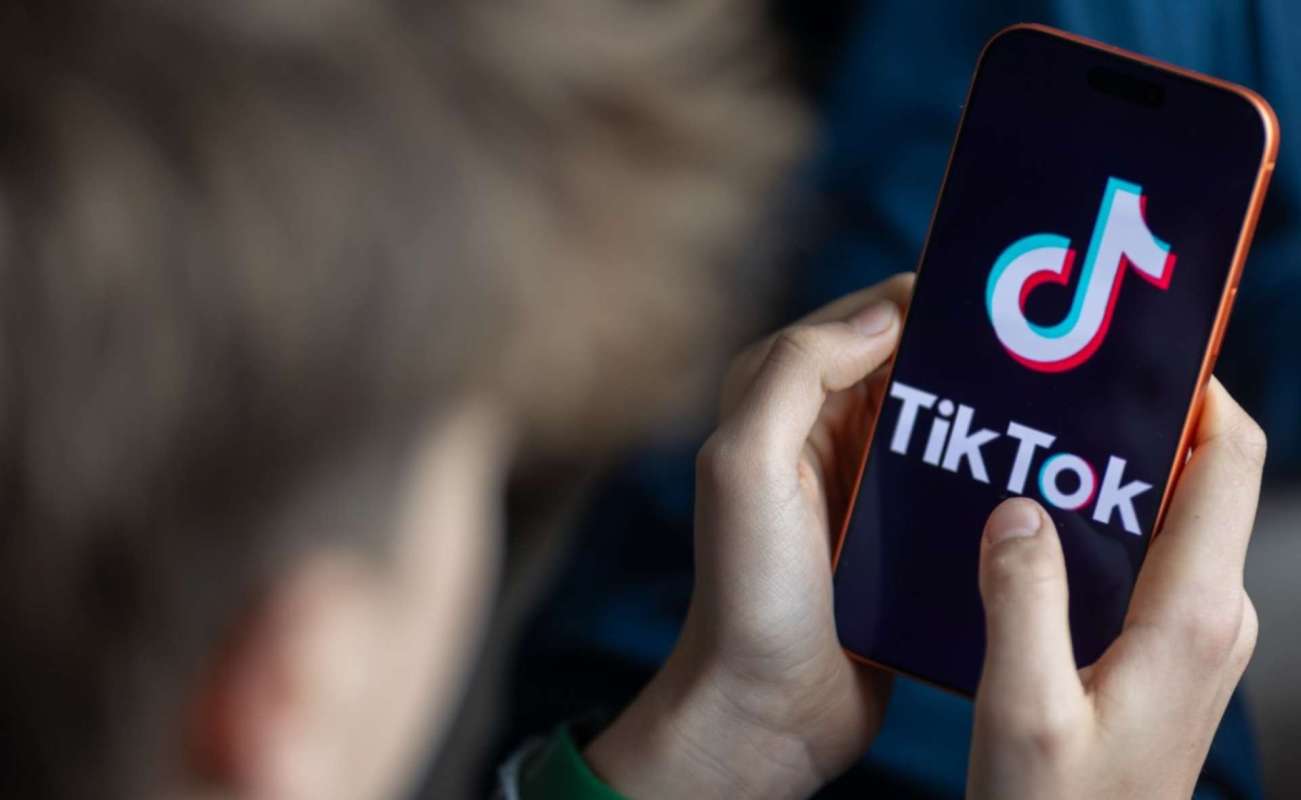
North Carolina's fight with TikTok is shaping up as a major test of whether states can force powerful tech companies to answer for alleged harms in their own courts.
At the center of the case is North Carolina's accusation that TikTok's design keeps children scrolling, collects their data, and turns their attention into profit.
Here's what to know
Before the North Carolina Supreme Court, the state is arguing that TikTok and ByteDance must defend a lawsuit in North Carolina over allegedly addictive app design, while the companies insist the state's courts have no authority over them, Courthouse News Service reported.
North Carolina's complaint focuses on features such as autoplay, infinite scroll, and short-lived posts, which the state says encourage compulsive use and amount to consumer-protection violations affecting people in the state.
The case began in October 2024, when North Carolina and then-Attorney General Josh Stein — now governor — sued the company. Arguing for jurisdiction, Special Deputy Attorney General Joshua Abram said ByteDance's contracts with users, its data collection, and its advertising activity create a strong enough tie to North Carolina.
Abram described the company's presence, telling the justices, "ByteDance continuously and deliberately exploits North Carolina's market with TikTok, and the state's claim relates to that very product," per Courthouse News.
TCD Picks » Quince Spotlight
💡These best-sellers from Quince deliver affordable, sustainable luxury for all




He also argued that TikTok's reach in daily life is impossible to ignore, adding, "The Supreme Court thought Ford had a heavy presence. TikTok dwarfs that. If you poll this courtroom or any classroom, you will find more TikTok users than Ford drivers."
More background
A win on jurisdiction would allow North Carolina to keep pursuing allegations that TikTok knowingly relied on design features that foster dependence, especially among younger users.
According to the state, ByteDance spent millions advertising TikTok in North Carolina and collected data from millions of adults and minors there, creating a business incentive to extend children's time on the app, gather more personal information, and boost targeted advertising sales.
Infinite scroll, autoplay, and frequent notifications can make it harder for people — especially teenagers — to step away, manage screen time, or avoid repetitive content loops that may harm well-being.
For TikTok and ByteDance, attorney Jon Hacker argued that a globally available platform is not the same thing as a product built or marketed specifically for North Carolina. "TikTok did not design the challenged features in North Carolina or tailor them in any way for North Carolina users," Hacker said, according to Courthouse News. "TikTok likewise did not make the allegedly deceptive statements in the state of North Carolina or target them specifically to anyone in North Carolina."
What's being done?
North Carolina already got past TikTok's motion to dismiss in August 2025, when, according to Courthouse News, Special Superior Court Judge Adam Conrad said the app was marketed in the state and used by hundreds of thousands of teens and children there.
That decision allowed current Attorney General Jeff Jackson's office to continue pursuing the case. The state argues that companies should not be allowed to benefit from local markets, local users, and local advertising dollars while avoiding accountability when harms are alleged.
If the court agrees, it could strengthen states' ability to challenge tech companies over how their platforms affect children and families.
The justices have not said when they will rule, but the outcome could help determine how much authority states have to confront digital products that are deeply woven into daily life.
As Abram told the court, "Foreign companies like ByteDance get the benefits and privileges of doing business here. Our courts will enforce their contracts, protect their property and give them access to our effective markets. And when they deliberately exploit their markets, in return they must submit to our courts for claims related to their in-state conduct."
Where can I learn more?
Other fights over corporate accountability offer useful context for North Carolina's case. These stories raise many of the same questions about consumer protection, corporate messaging, and how regulators take on powerful companies.
• New York's attorney general subpoenaed OpenAI as part of an investigation by a coalition of state attorneys general over the company's advertising, its efforts to keep users engaged, model sycophancy, consumer and health data, and its treatment of minors and seniors.
• In the U.S. and Europe, greenwashing policy fights are shaping how regulators police corporate claims.
• A total of 47 states are set to receive payouts through a historic $17.1 billion settlement with Meta over claims Facebook and Instagram kept kids hooked.
They reflect a push to define when aggressive marketing crosses the line into unlawful conduct. That same accountability debate hangs over North Carolina's case against TikTok.

Get TCD's free newsletters for easy tips, smart advice, and a chance to earn $5,000 toward home upgrades. To see more stories like this one, change your Google preferences here.






