


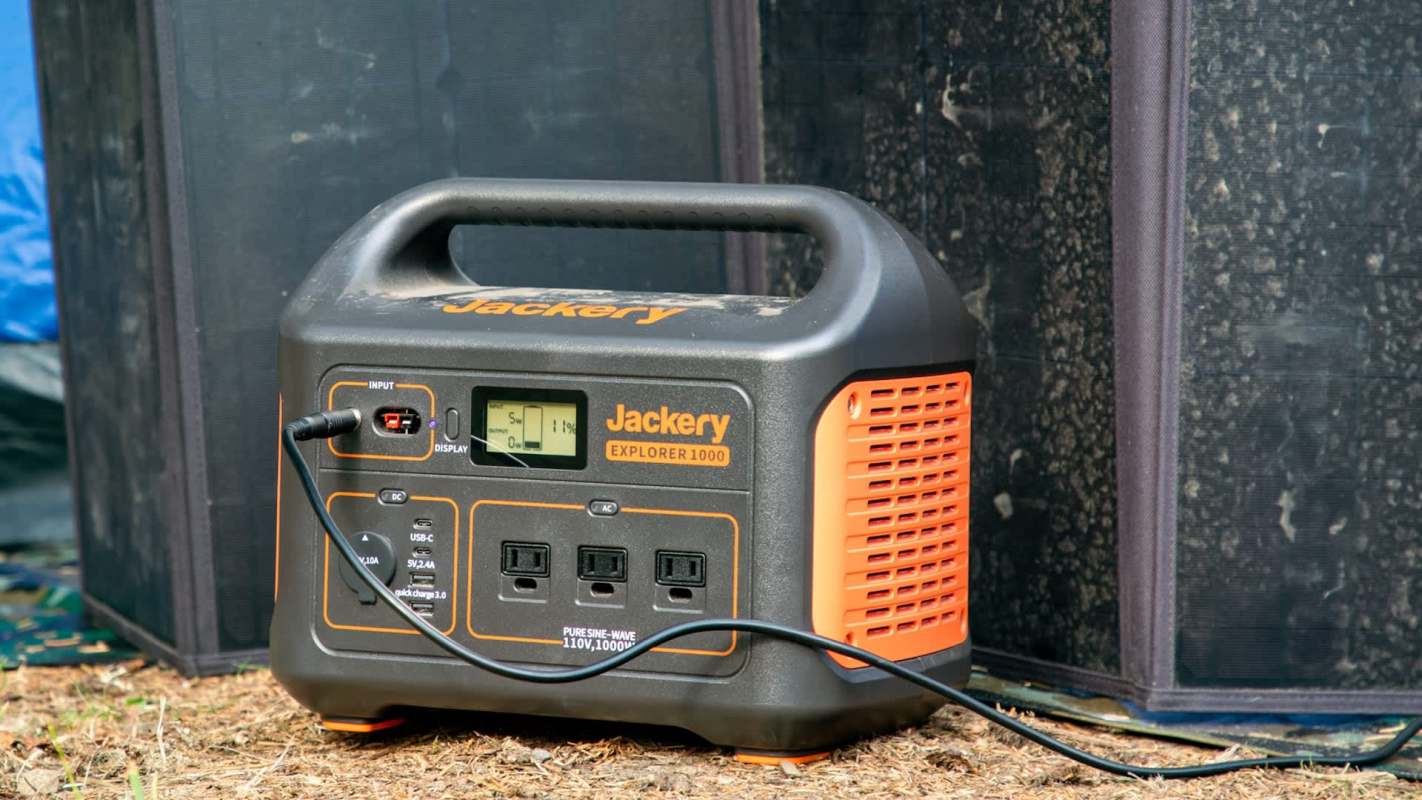
While preparing for possible winter outages, one Reddit user asked whether it made sense to stretch the budget for a Jackery-style solar backup if they just wanted to keep a family's basic utilities powered.
Here's what to know
The Reddit poster said whole-home backup was not affordable. So, instead, they were looking for enough power to handle "my fridge or stove along with charging devices" during a winter that could bring "cold and terrible rain or unusual and significant amounts of snow/ice."
Solar appealed to the poster for two reasons: it seemed like "a sustainable energy source" and was "one less thing I have to figure out how to store safely away from kids in a small house with limited storage."
However, responders quickly pointed out that bad weather could mean the solar panels wouldn't produce much.
Across the thread, the most common recommendation was a mix of options rather than solar alone: use a battery backup for short outages and quiet indoor convenience, and rely on a small inverter generator when the outage drags on.
Battery stations offer real advantages. They are quieter, easier to start, and can be used indoors to charge phones, power lights, or bridge a short outage. Fuel-powered generators, by contrast, must be used outside because of exhaust and carbon monoxide risks.
TCD Picks » Quince Spotlight
💡These best-sellers from Quince deliver affordable, sustainable luxury for all




What can be done?
If dependable winter backup is the priority, limited solar charging in bad seasonal conditions is hard to justify.
For longer outages, commenters said a fuel-powered or dual-fuel inverter generator may be the better-value first purchase. In that view, it can keep upfront costs down and avoid sinking too much money into solar panels that may recharge too slowly in winter.
Where can I learn more?
A few related articles dig into the same trade-offs people were hashing out on Reddit. They look at how solar performs in winter, why outage backup depends so much on the setup you choose, and how the math can change once incentives and real-world output are part of the equation.
• Installers say solar still works in winter, though shorter days and snow cut output.
• After a devastating hurricane, one homeowner saw solar panels keep lights on when the grid failed.
• Energy experts warn you can never fully guarantee savings, especially when weather shifts.
• Homeowners weighing rooftop systems can still cash in on incentives before project costs climb.
The broader takeaway is the same one that came through in the Reddit thread: backup power plans work best when expectations stay grounded. For families preparing for winter outages, that can make it easier to tell the difference between practical backup and an expensive system that may not deliver what they need.

Get TCD's free newsletters for easy tips, smart advice, and a chance to earn $5,000 toward home upgrades. To see more stories like this one, change your Google preferences here.






