


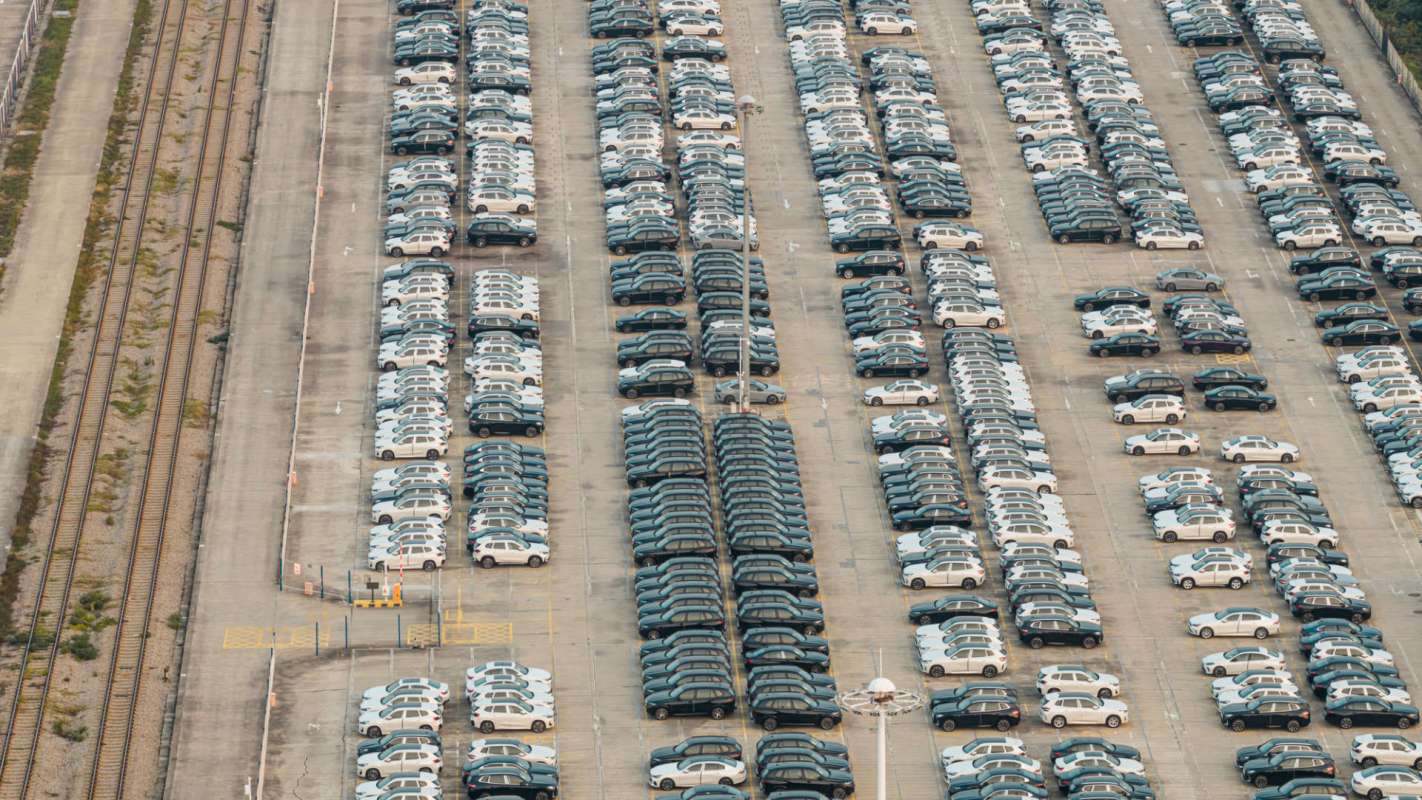
A growing debate over U.S. restrictions on Chinese electric vehicles goes beyond trade policy.
Critics say the crackdown could protect domestic automakers in the short term while giving American drivers a raw deal.
Here's what to know
Gilbert Smith of CarBuzz argued that U.S. limits on Chinese EVs, including a 100% tariff on Chinese-made electric vehicles and restrictions tied to connected-car software and hardware, may do more to shield automakers than to protect workers or consumers.
Smith framed the comparison through an earlier shift in the U.S. auto market, which he branded as the "Toyota moment." The company entered the country in 1957 but managed only 287 sales by the end of 1958. Later, its small, efficient cars become more appealing as gasoline rose from about 37 cents a gallon in 1971 to 57 cents in 1975.
The account highlighted the 1975 Corolla's advertised highway rating of 42 miles per gallon. Smith said Toyota sold 283,909 vehicles in the United States that year, enough to beat Volkswagen by 16,191 and take the top import spot.
He argued that Chinese EV companies such as BYD and Geely could create similar competitive pressure by pushing U.S. automakers to build better, less expensive electric cars. Without that pressure, families may face higher prices, slower innovation, and fewer chances to lower what they spend on gas.
TCD Picks » Quince Spotlight
💡These best-sellers from Quince deliver affordable, sustainable luxury for all




Cleaner, more affordable EVs can reduce tailpipe pollution in neighborhoods while helping households keep more of the money they would otherwise spend on fuel.
More background
Smith said the official reason for the connected-car restrictions is national security, especially the concern that Chinese companies could collect American data.
Broad worries about data collection do not fully explain why Chinese vehicles are being singled out. He noted that Microsoft, Facebook, Twitter, and smartphone companies all feature tracking methods and data collection, which supports the view that the restrictions may be more of an industrial safeguard.
While the United Auto Workers union says Chinese automakers benefit from heavy support from the Chinese government, Smith contrasted that with the $80 billion bailouts for America's biggest car companies in the late 2000s.
To show that demand already exists, Smith said farmworkers in rural Texas buy Chinese trucks in Mexico, including the BYD Shark, and bring them across the border for legal use on private land.
Smith also pointed to Chinese battery progress, including one that boasts 745 miles on a single charge and solid-state technology. He argued that excluding Chinese companies from the U.S. market could leave American communities waiting longer for low-cost, low-pollution transportation.
What's being done?
American companies aren't standing still, per Smith. Factorial Energy, a U.S.-based battery company, is working with Stellantis to stay competitive in next-generation battery development.
Automakers, meanwhile, could respond the way competitors have in earlier eras by building compelling vehicles that meet what shoppers want on price, range, and efficiency.
More EV competition could mean more affordable models, lower fueling expenses, and cleaner air in the communities where people live and work.
If the U.S. wants a transportation future that is cheaper, cleaner, and more competitive, giving incumbents protection may delay the market pressure that produces better cars for everyone.
Where can I learn more?
The argument over Chinese EV restrictions spills into software rules, battery supply chains, and the race to keep up in the global auto market. Those policies can shape which technologies make it to U.S. drivers, how fast automakers respond, and what buyers end up paying.
• In the United States, Chinese software rules could cut automakers off from global EV markets.
• U.S. battery makers still face risks of import dependence on Chinese minerals for energy storage.
What happens with Chinese EV imports may help decide who sets the pace for the next era of carmaking. For drivers, that could shape which cleaner, low-cost technologies arrive first and how long they take to get here.

Get TCD's free newsletters for easy tips, smart advice, and a chance to earn $5,000 toward home upgrades. To see more stories like this one, change your Google preferences here.






