


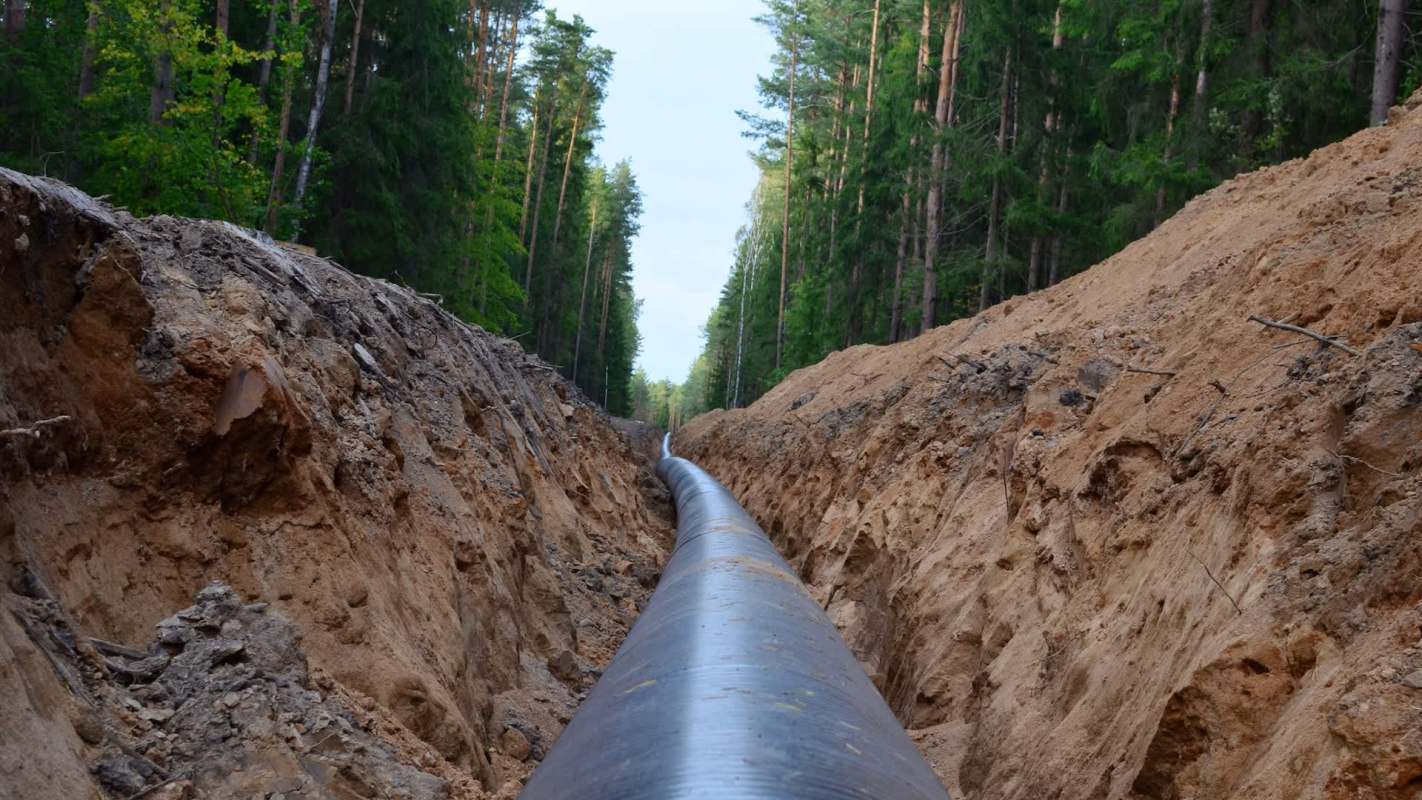
A federal appeals court has thrown out a major New Jersey permit for a proposed $1 billion underwater gas pipeline between New Jersey and New York.
This is a major win for environmental groups, and it's forced state regulators to revisit how they approved one of the region's most controversial energy projects.
Here's what to know
A three-judge panel of the U.S. 3rd Circuit Court of Appeals ruled September 8 that Williams cannot rely on the state's existing water quality certification for its Northeast Supply Enhancement pipeline, which would cross the bay, according to New Jersey Monitor.
Writing for the panel, Judge Jane Richards Roth said the New Jersey Department of Environmental Protection handled the certification in an "arbitrary and capricious" way. She said the department approved it without requiring Williams to show that buried contamination in the bay would be adequately protected before dredging begins.
"A key safeguard is missing: no prescribed NJDEP approval stands between the unfinished plans and dredging," she wrote.
The decision does not end the project outright. Instead, it returns the matter to regulators, and the pipeline, first proposed in 2017 by Williams subsidiary Transcontinental Gas Pipeline Company, could still move ahead if the agency better explains its decision, seeks more review, issues a revised certification, or reaches a different conclusion.
TCD Picks » Quince Spotlight
💡These best-sellers from Quince deliver affordable, sustainable luxury for all




Williams spokeswoman Cherice Corley said the company is still looking over the ruling, and the project "remains critical to strengthening energy reliability and meeting the region's growing energy demand."
More background
Opponents have argued for years that the project would mainly move gas from Pennsylvania to New York City without providing a direct benefit to New Jersey residents. They also say dredging in Raritan Bay could disturb toxic material buried in the seafloor, damage marine habitat, and hurt wetlands connected to other planned infrastructure for the project.
After denying the project in 2019 and 2020 in part because of water-quality issues, state officials issued the certification in November 2025. A separate state environmental panel later signed off on the last permit the project still required.
Jackson Garrity, an attorney for the Natural Resources Defense Council in its lawsuit challenging the water quality certification, called the decision "a win for the waterways of New Jersey, the people who rely on them, and the rule of law," according to New Jersey Monitor.
What's being done?
Environmental groups are continuing to press state officials to reject the project outright.
The Natural Resources Defense Council filed suit, and a second coalition (Food & Water Watch, the New Jersey League of Conservation Voters, and New York/New Jersey Baykeeper) brought a similar case the same day. The appeals court later consolidated those challenges.
Roth wrote, "On remand, NJDEP remains free to supplement its explanation, require additional submissions or analyses, issue a new or revised certification, or reach a different result. We leave those specific choices to NJDEP."
"This pipeline would not only have destroyed wetlands across New Jersey, but also would tear up the sea floor of Raritan Bay. The DEP's approval of the water quality permit failed to address key water quality concerns that the public has been raising for years," Garrity said.
Where can I learn more?
New Jersey's fight over this pipeline is part of a larger debate over how states review gas projects and weigh pollution, public health, and long-term fossil-fuel investment. Similar questions are coming up elsewhere, from pipeline expansions to utility spending and environmental lawsuits.
• In North Carolina, residents warned environmental and public health danger could follow Transco's expansion.
• In Massachusetts, utilities poured $100M into gas lines after communities went fossil fuel free.
• In Montana, officials asked courts to revisit young activists' monumental win over state environmental policy.
Cases like these show how pipeline and fossil-fuel approvals now hinge as much on legal scrutiny as on engineering plans. That's part of why New Jersey's next move on the bay crossing could matter well beyond this one project.

Get TCD's free newsletters for easy tips, smart advice, and a chance to earn $5,000 toward home upgrades. To see more stories like this one, change your Google preferences here.






