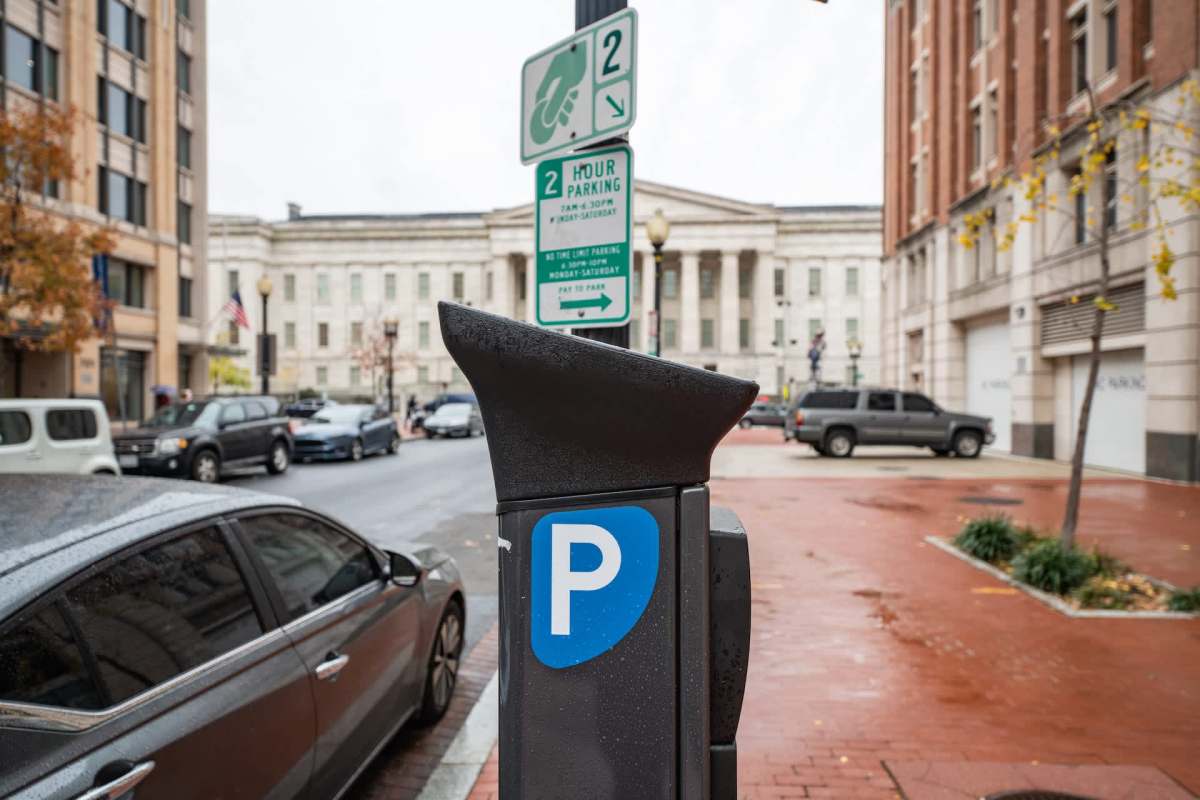
A QR code can make a parking payment feel simple, but the Federal Trade Commission said drivers should slow down before completing the transaction.
The agency has warned that scammers have been placing counterfeit QR codes over real ones on parking meters, a tactic that can redirect a routine payment into a theft of money, personal information, or both.
Here's what to know
The FTC wants consumers to be especially careful when a parking payment requires scanning a QR code.
In this scam, a bad actor covers the legitimate code with a fake one, and then an unsuspecting driver scanning it can send them to a fraudulent website built to collect money and/or personal details.
QR codes do not immediately show users where they are being sent. Instead of manually typing in a trusted web address, people often rely on whatever link appears on their phones after the scan. Before selecting it, the FTC said drivers should inspect the website address closely.
The agency also recommended checking parking-related transactions afterward to make sure everything looks right.
TCD Picks » Quince Spotlight
💡These best-sellers from Quince deliver affordable, sustainable luxury for all




What can be done?
The Federal Trade Commission advises against interacting with the scammer if you think a website is suspicious. If you are contacted by someone through the website, they may try to get cash or private details from you.
If you already entered credentials, such as your username or password, change them wherever you used the same password on other accounts. The FTC also advised reviewing your credit card and bank statements for charges that you did not make.
Another FTC recommendation is to keep your phone's operating system up to date so it has the latest security protections.
If you do encounter one of these scams, you can file a report with the FTC at reportfraud.ftc.gov.

Get TCD's free newsletters for easy tips, smart advice, and a chance to earn $5,000 toward home upgrades. To see more stories like this one, change your Google preferences here.