


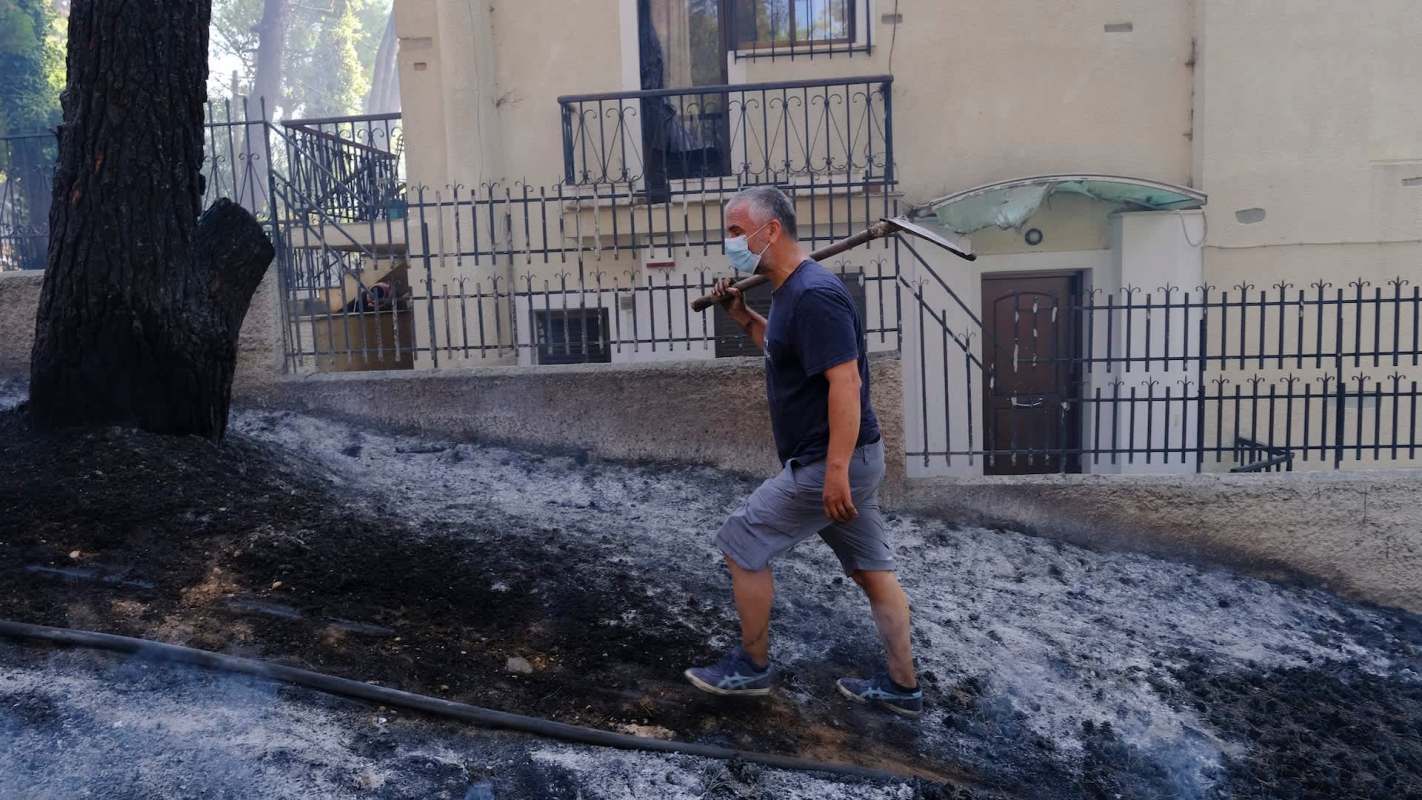
Wildfire smoke alongside extreme heat are driving worker safety complaints to record levels in Oregon.
As the state experiences a historic 2026 fire season, employees in multiple industries say they have been required to work in conditions that put their health at risk.
Here's what to know
From June 1 through August 18, the Oregon Occupational Safety and Health Division received at least 44 complaints from workers about heat and wildfire smoke, the most reported since Oregon adopted workplace protections in 2022, according to OPB.
Oregon OSHA received nine comparable complaints in 2024 and two in 2025, the Oregon Capital Chronicle reported. The jump has come during Oregon's record-breaking wildfire season, which has already burned 2.5 million acres statewide.
Most of the complaints came from workers in the service and retail industries. They were followed by workers in outdoor recreation, then government services and utility, then manufacturing and construction, and then policing and security.
Among the complaints were allegations that employers required workers to stay outside despite dangerously high air quality levels, and that they also didn't provide any protections against the bad air (like masks or adequate ventilation). Many workers also alleged they had not been trained on heat illness or wildfire smoke safety.
TCD Picks » Quince Spotlight
💡These best-sellers from Quince deliver affordable, sustainable luxury for all




More background
Since 2022, most Oregon employers have had to follow Oregon OSHA rules covering extreme heat and wildfire smoke. Under the heat standard, workers must have free drinking water and access to shaded areas when temperatures are above 80 degrees Fahrenheit, and breaks are required above 90 degrees.
Oregon bases its wildfire smoke requirements on the Air Quality Index. At the highest level, 849 or above, employers must ensure employees wear respirators and implement a full respiratory protection program, including medical evaluations and fit tests for employees using tight-fitting respirators.
Between AQIs of 277 to 848, workers must wear nationally approved respirators, and between AQI levels of 101 to 276, employers must make qualifying respirators available, including N95 masks.

Get TCD's free newsletters for easy tips, smart advice, and a chance to earn $5,000 toward home upgrades. To see more stories like this one, change your Google preferences here.






