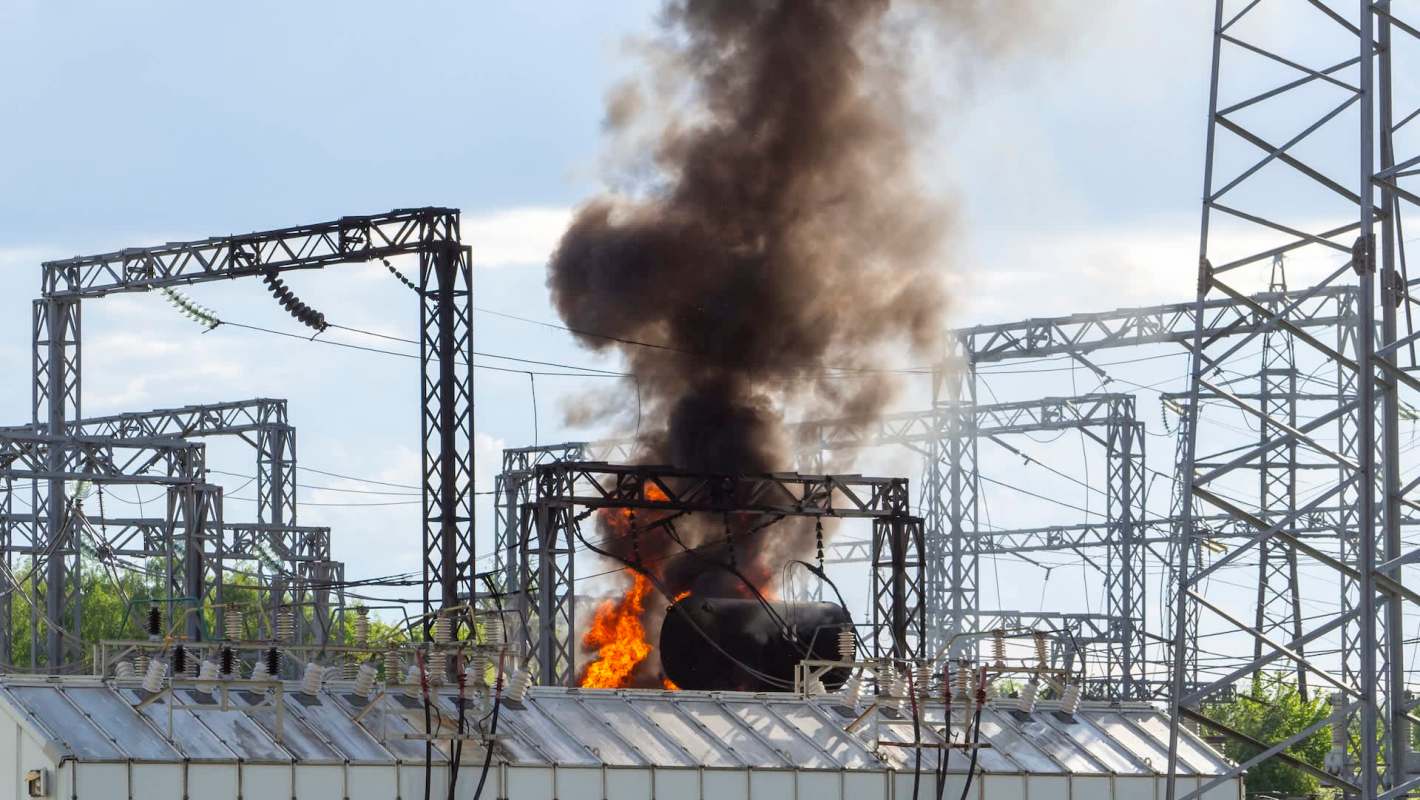
Concerns about the security of critical infrastructure in Germany rose after authorities arrested a man near the Weisweiler power plant suspected of using explosives and launch devices against the country's electricity grid.
Police detained the 48-year-old near the facility in western Germany and said he had explosives with him at the time.
Here's what to know
According to the BBC, Cologne police said they arrested the suspect on Sept. 8 near the Weisweiler plant. Officers then found a hidden tent in nearby undergrowth that had been set up with more explosives. Bomb disposal specialists were called to inspect the devices as police searched for any others that might still be in the area.
Because German privacy rules limit the publication of full surnames, local media identified the suspect only as Daniel V. He is also connected to sabotage incidents in Brandenburg, Saxony, and North Rhine-Westphalia, with written letters from the suspect claiming responsibility.
The BBC said police had found several launch devices on Sept. 7 beside high-voltage lines near Weisweiler, along with what authorities called "another confession letter." Incidents reported across the grid appear to have used the same method, with rockets used to send wires over high-voltage cables and cause short circuits.
At some plants, the disruptions temporarily took power-generating units offline.
TCD Picks » Quince Spotlight
💡These best-sellers from Quince deliver affordable, sustainable luxury for all




More background
The BBC reported that police in Saxony found 21 devices near high-voltage power lines on Sept. 4 and Sept. 5 alone. Cologne Police also said explosives were uncovered during a search of the suspect's apartment in Gevelsberg.
A Sept. 8 statement from the Cologne Public Prosecutor's Office and Cologne Police did not provide additional information about the suspect or specify how many incidents and locations he has been linked to. The Frankfurter Allgemeine Zeitung reported that handwritten letters claiming responsibility included details that had not yet been made public.
What's being done?
According to the BBC, officers were continuing to search the area around the arrest site for any hidden devices, while a bomb disposal expert examined the explosives recovered there.
Interior minister Armin Schuster said the episode might have caused a regional blackout, while cautioning against jumping to conclusions.
"The way this deed was committed makes this case unusual, as well as the manner of the confession," Schuster noted.
Where can I learn more?
The arrest near Weisweiler has put a fresh spotlight on how vulnerable essential infrastructure can be.
• Germany's grid operators and GE Vernova are advancing new HVDC transmission plans to strengthen the network.
• In Lagos, authorities made an arrest over canal vandalism while urging protection for public infrastructure.

Get TCD's free newsletters for easy tips, smart advice, and a chance to earn $5,000 toward home upgrades. To see more stories like this one, change your Google preferences here.