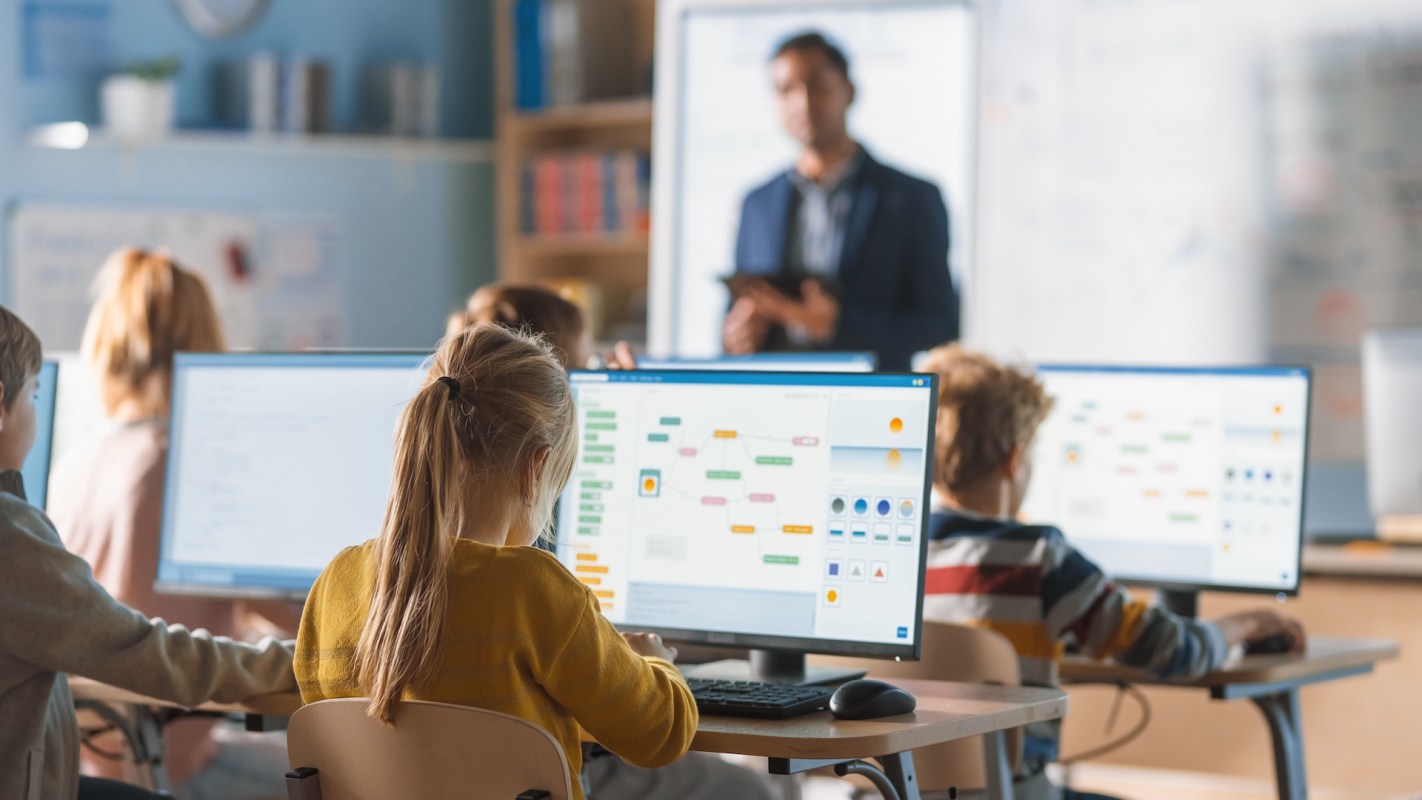
The nation's two largest public school systems — New York City and Los Angeles — are pressing pause on student use of generative artificial intelligence.
Here's what to know
In New York City, students from pre-kindergarten through eighth grade are under a one-year moratorium on the use of generative AI. In Los Angeles, students are barred from using it on school-issued devices for this school year.
According to an early-September press release from New York City Mayor Zohran Mamdani and Schools Chancellor Kamar Samuels announcing the changes, the city's high school students will also complete two 45-minute AI literacy modules each year. Some career-focused uses of AI will still be allowed, and certain high schools will test pilot programs.
According to the release, the city's restrictions will apply to 600,000 students, while "teachers will continue to be permitted to use AI for instructional planning and operational tasks, provided all tools comply with NYCPS safety standards." The mayor further shared that exceptions would be made for certain tools used by multilingual students and students with disabilities.
The Los Angeles Times reported that teachers working in the L.A. Unified School District will also be able to use some AI tools.
Meanwhile, school districts in Colorado, Kansas, Minnesota, Texas, and Washington have also blocked or limited the use of AI tools such as ChatGPT.
TCD Picks » Quince Spotlight
💡These best-sellers from Quince deliver affordable, sustainable luxury for all




More background
Districts are weighing concerns about cheating, data privacy, screen dependence, and the possibility that young students could rely on chatbots instead of cultivating reading, writing, and problem-solving skills on their own.
Meanwhile, some proponents of integrating AI into classrooms worry that bans mean students could miss out on useful tools and fall behind in understanding technology that may play a major role in college and future careers.
Where can I learn more?
The questions facing New York and Los Angeles are relevant around the world: When does AI actually help kids? When does it get in the way? How closely should adults be monitoring it?
The debate touches everything from student-built tools to consumer products and growing worries about dependence on chatbots.
• In Abu Dhabi, teens at EcoMind Academy built an AI-powered app to support classroom learning.
• Parents say AI-powered toys teaching kids dangerous behavior deepen worries about children's unsupervised tech use.
• Psychologists say the rapid increase in AI use is heightening dependence and regulatory concerns.
As AI spreads into more parts of children's lives, some districts are moving carefully to adapt and create regulations, weighing both the risks and the potential benefits.

Get TCD's free newsletters for easy tips, smart advice, and a chance to earn $5,000 toward home upgrades. To see more stories like this one, change your Google preferences here.