


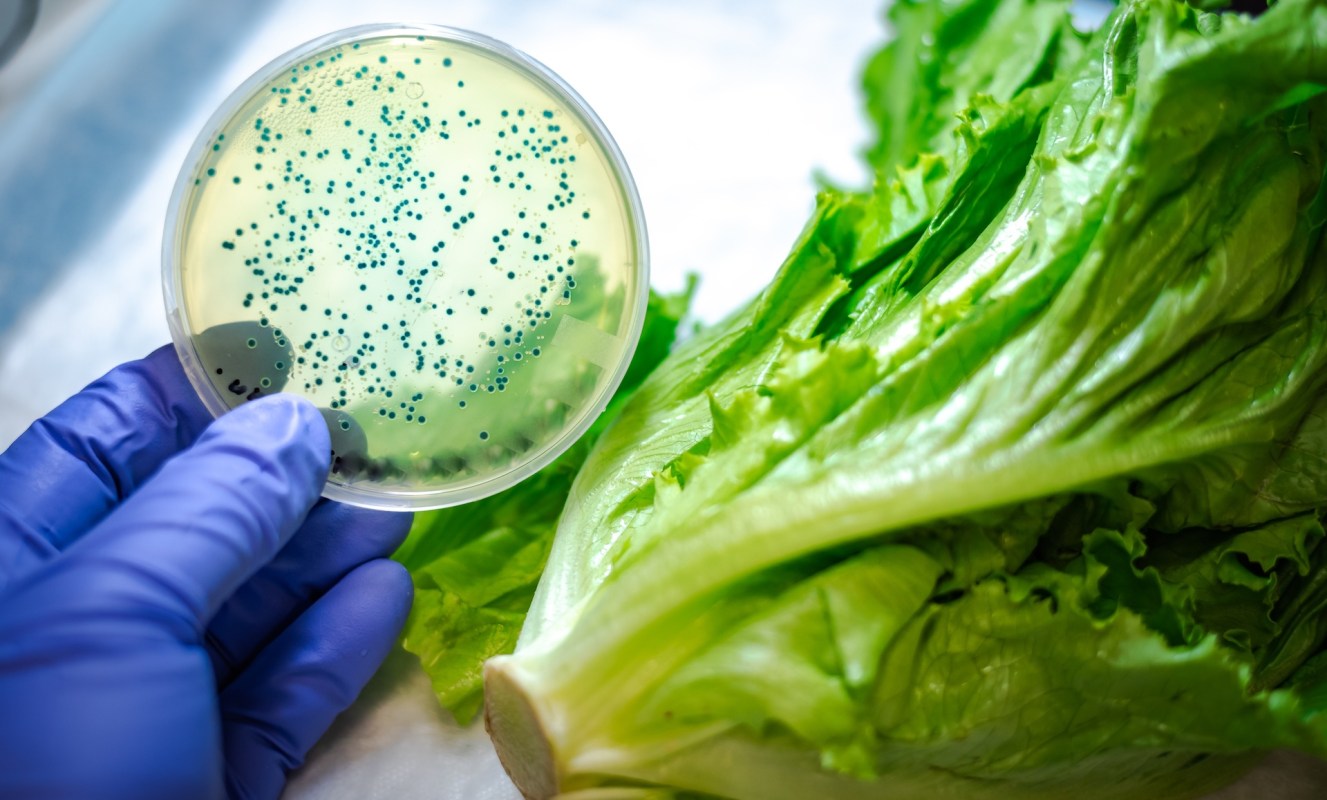
Notable grocery recalls in 2026 have fueled worries that food sold in stores may be becoming less safe.
Here's what to know
Through August 18, the FDA had classified 860 food reports, USA Today reported — about 15% below the average for that point over the previous five years and about 29% below the 10-year average.
However, as Robert Custard, an environmental health expert and representative of the West Virginia Association of Sanitarians, pointed out, fewer recalls should not be taken as proof of a safer food supply.
"When you do less testing, you're going to find less problems," Custard said. "When you find less problems, you end up with fewer recalls."
Shoppers have had to contend with a disturbing stretch of problems involving produce, eggs, and frozen products.
The biggest of these has been the cyclospora outbreak connected to contaminated iceberg lettuce. Since May 2026, it has reached 48 states and Washington, D.C., causing more than 17,000 lab-confirmed illnesses, 450 hospitalizations, and two deaths.
TCD Picks » Quince Spotlight
💡These best-sellers from Quince deliver affordable, sustainable luxury for all




Recalled jalapeños have also been linked to a salmonella outbreak that has sickened 431 people in 32 states, and an alfalfa sprout outbreak involving E. coli and salmonella has made 55 people ill across 15 states.
More background
Part of what is troubling experts is the possibility that lower recall counts may reflect issues that are not being found.
Food-safety specialists have warned that workforce reductions and weaker surveillance under Health and Human Services Secretary Robert F. Kennedy Jr. could have consequences. One concern is the potential effect on FoodNet, the program that has monitored foodborne illness since 1995.
Sandra Eskin, CEO of Stop Foodborne Illness, told USA Today the more important measure is not how many recall notices are issued but how many people actually become sick, calling the cyclospora outbreak case total "jaw-dropping."
The publication reported that companies start nearly all recalls — about 99% — while only about 1% are ordered by the FDA. Often, recalls happen only once contamination has been identified or after illnesses have already occurred.
Taylor Farms, for example, started its iceberg lettuce recall on July 17 after illness reports had surfaced around the country, even though the FDA had not yet classified it.
The outbreaks also highlight larger vulnerabilities in industrial food production. One tainted ingredient can move fast through farms, processors, distributors, and retailers, ending up in kitchens across dozens of states before the danger is recognized.
What can be done?
Experts say strong testing, inspections, and disease surveillance are still critical at the system level. Recalls are most effective when contamination is detected early, before an outbreak spreads widely and before the affected products are eaten in thousands of homes.
For shoppers, the most useful immediate step is to pay close attention to recall notices and act fast. Consumers can match product names, lot codes, and dates against FDA or retailer alerts, discard recalled items or return them, and clean any drawers, counters, or containers that may have touched contaminated food.
Anyone who develops severe diarrhea, fever, or symptoms of dehydration after eating recalled food should contact a medical professional.
Food-safety attorney Eric Hageman said, "Eating our food should not be a high-risk activity. But for many people, it turns out that way."

Get TCD's free newsletters for easy tips, smart advice, and a chance to earn $5,000 toward home upgrades. To see more stories like this one, change your Google preferences here.







