


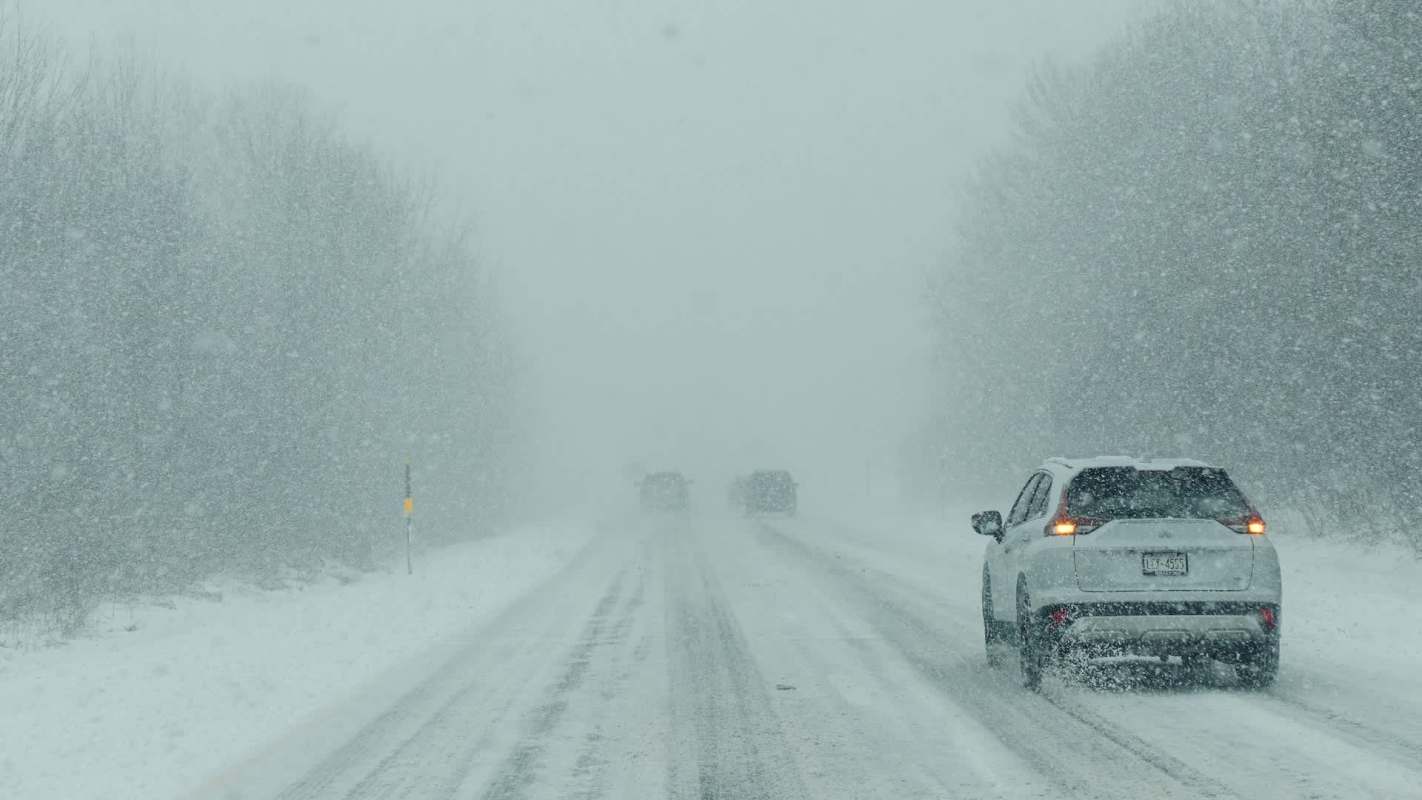
The Old Farmer's Almanac predicts an average to mild winter across the majority of the United States, but some regions might not have it so easy.
Here's what to know
In its latest winter outlook, shared here on Instagram, the Old Farmer's Almanac says temperatures should run warmer than normal across much of the country, while precipitation comes in above normal over large parts of the West and in portions of the South, Midwest, and Florida.
Areas slammed by January's massive winter storm are among the regions that could still face colder-than-usual weather, with colder zones in the Ohio Valley, parts of Appalachia, and the southern section of the Northeast.
As USA Today reported, the Old Farmer's Almanac also expects higher-than-usual snowfall in parts of the Northeast and Appalachia, some areas of the West, and Alaska. It forecasts drier conditions for much of the East, the Plains, and the Southwest.
Last year's publication exceeded 80% accurate weather predictions using a secret formula devised in 1792 by founder Robert B. Thomas. It has since been updated by "state-of-the-art technology and modern scientific calculations," it says, adding, "We predict weather trends and events by comparing solar patterns and historical weather conditions with solar activity."
More background
One reason the 2026-27 winter season is tougher to forecast is El Niño — the recurring warming of Pacific Ocean waters that influences weather patterns across the globe. Forecasters are waiting to see whether El Niño could affect the polar vortex, which has been known to drive frigid Arctic air farther south.
TCD Picks » Quince Spotlight
💡These best-sellers from Quince deliver affordable, sustainable luxury for all




Some meteorologists remain skeptical of almanac-style forecasting. Meteorologist Don Day of Wyoming's Cowboy State Daily newspaper said, "I don't know what voodoo magic they use to get their forecasts. I don't think we should be talking about any detailed winter forecast till maybe mid to late September. Until then, it's not helpful for anybody."
There are some similarities between this outlook and the National Weather Service Climate Prediction Center's forecast for December 2026 through February 2027, which also favors warmer-than-average to near-average temperatures for much of the country.
Even a forecast labeled mild can still bring major problems. Brief cold snaps can push up heating costs, and wetter storm systems can interrupt travel, damage roads, and increase the chance of power outages. Extra snow in some northern and mountain areas may help build snowpack, but it can also make travel more dangerous and cleanup more expensive.
What can be done?
Seasonal forecasts are better viewed as an early alert instead of a promise. They can help show the kinds of patterns that might take shape, but forecasts issued closer to individual storms will be far more useful when decisions need to be made.
Always be prepared for the weather forecast in your area. Helpful steps include checking furnaces, sealing drafty doors and windows, inspecting gutters and drainage areas, and keeping emergency kits stocked with flashlights, batteries, water, medications, and backup heat supplies.
For drivers in places that may end up snowier — including parts of the Northeast, Appalachians, the West, and Alaska — check tires, windshield wipers, and batteries before colder weather arrives.
In areas expecting wetter conditions, clearing drains and identifying flood-prone spots around homes may help lower the risk of damage.
Where can I learn more?
A winter that looks mild to begin with could always play out very differently. That's why ongoing updates and specific regional forecasts are so important, as examples from recent years have illustrated.
• In New England, forecasters said the winter of 2025 might not behave as expected despite broader mild signals.
• Across key U.S. farming regions, dry winter patterns in 2024 were expected to deepen stress on crops and water supplies.
• In the western United States, a snow drought raised new worries about water shortages.
• After a punishing winter storm, farmers across America said the damage went beyond seasonal averages.
• In California's Big Bear Lake, officials say no snowfall was recorded during a worrying winter stretch.

Get TCD's free newsletters for easy tips, smart advice, and a chance to earn $5,000 toward home upgrades. To see more stories like this one, change your Google preferences here.






