


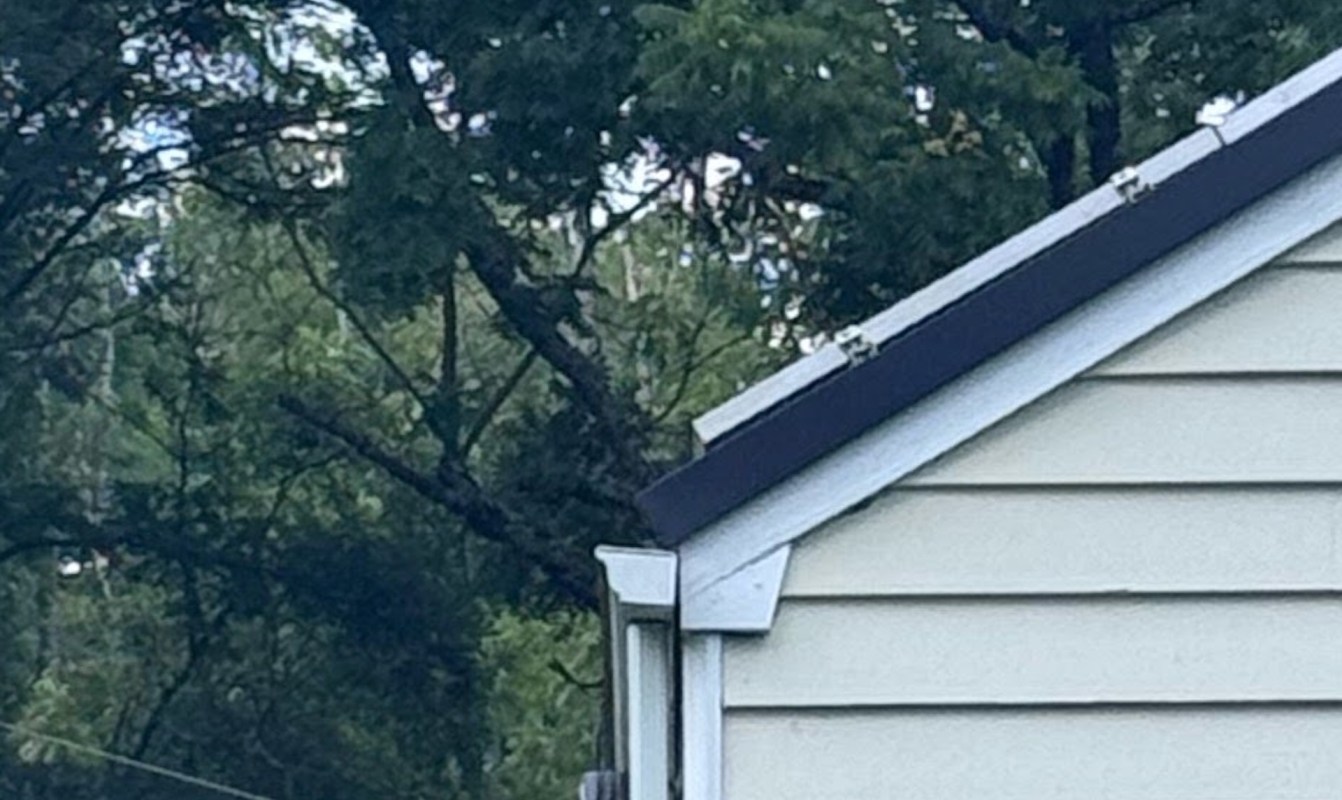
A rooftop solar setup is supposed to lower utility bills, not send a sheet of rain pouring over the side of the house.
For one homeowner, however, panels mounted near the edge of a metal roof appear to be turning ordinary rainfall into a messy runoff issue right when the gutters need to be replaced.
Here's what to know
A homeowner in Reddit's r/diySolar asked whether bigger gutters might solve a problem they blamed on panels sitting close to the roof edge. The original poster wrote, "Currently during medium rains, a waterfall of rain overshoots the gutter."
Because relocating a solar array can be expensive — especially on a standing-seam metal roof — any fix that controls the runoff without moving the panels could spare the homeowner from paying for oversized gutters or a more involved solar modification.
One commenter suggested first looking at whether the existing gutters are mounted too low or whether leaf guards are hurting performance. Another recommended a less drastic solution, saying, "I'd look at installing a diverter along the bottom edge to direct it down into a standard 5" gutter. It might interfere with snow if that's an issue where you are. Sometimes you'd rather have the snow held up by a raker anyway though."
Going solar is one of the best ways to save money on home energy, but installation details can influence maintenance costs later on. Homeowners considering rooftop panels can explore EnergySage to get free solar installation estimates and compare quotes.
More background
The discussion points to an often-overlooked part of solar ownership: Once panels are added, rain and snow may no longer travel across a roof the same way. On smooth metal roofing, especially with panels set close to the edge, runoff can pick up speed on its way to the eaves and fly past the gutter even in moderate storms.
Several commenters also noted that a diverter or lip attachment could affect how snow behaves on the roof. That means the best solution may depend on local weather conditions and whether the home already deals with sliding snow loads.
Save $10,000 on solar panels without even sharing your phone number Want to go solar but not sure who to trust? EnergySage has your back with free and transparent quotes from fully vetted providers that can help you save as much as $10k on installation. To get started, just answer a few questions about your home — no phone number required. Within a day or two, EnergySage will email you the best local options for your needs, and their expert advisers can help you compare quotes and pick a winner. |

What can be done?
Instead of immediately moving the panels or replacing the gutters with oversized ones, a more practical step may be to ask a roofer, gutter installer, or solar professional whether adjusting gutter height or adding a diverter strip or panel-edge lip could slow the water before it leaves the roof. A targeted change like that may cost less than relocating the array or installing larger gutters.
Reviewing multiple quotes in one place can help buyers avoid overpaying from the start.
Those interested in solar and the best option for their home can also use EnergySage's solar map. This free tool shows the average cost of a home solar panel system in each state, along with details on solar panel incentives. With EnergySage's help, the average person can save up to $10,000 on solar purchases and installations.
Adding battery storage to a solar setup is one of the best ways to protect your home during outages, save on energy costs, and rely less on the grid. Batteries can store extra electricity for use when the grid is down or when utility rates are higher. Homeowners can also explore EnergySage for information about home battery storage options.
More From EnergySage
💡Go deep on the latest news and trends shaping the residential solar landscape




Where can I learn more?
Work on a roof can ripple out in ways that have nothing to do with the electric bill. The stories below look at how drainage, roof design, and other home upgrades intersect in real situations homeowners are already dealing with.
• Homeowners dealing with roof runoff can turn heavy rain into stored water for gardens.
• After a season of ice buildup, sheets of ice began sliding off one home's solar-covered roof, turning the panels into what the homeowner described as a serious hazard near the front of the house, but others pointed to an easy fix.
• Installing solar panels on a standing-seam metal roof could be one of the smartest long-term home energy moves homeowners overlook.
Each of these stories shows that what happens on the roof can influence drainage, comfort, and costs elsewhere around the home.

Get TCD's free newsletters for easy tips, smart advice, and a chance to earn $5,000 toward home upgrades. To see more stories like this one, change your Google preferences here.






