


A Tesla Powerwall owner thought their house was barely using electricity overnight. Instead, the system kept showing a steady 1.3-kilowatt draw after dark, even after the homeowner switched off some of the most obvious suspects.
If that load continues for eight overnight hours, it adds up to about 10.4 kilowatt-hours — potentially around $50 to $95 per month on a utility bill, depending on local electricity rates.
Here's what to know
In a post on Reddit's r/solar, they said the strange part begins at night, when the system settles into a steady 1.3-kW draw. They also said they had already ruled out smaller devices such as fans and air purifiers.
Despite having a refrigerator, two extra freezers, a well pump, a water softener, and an electric water heater, the homeowner said their daytime usage usually shows around 0.0 kW unless a major appliance turns on.
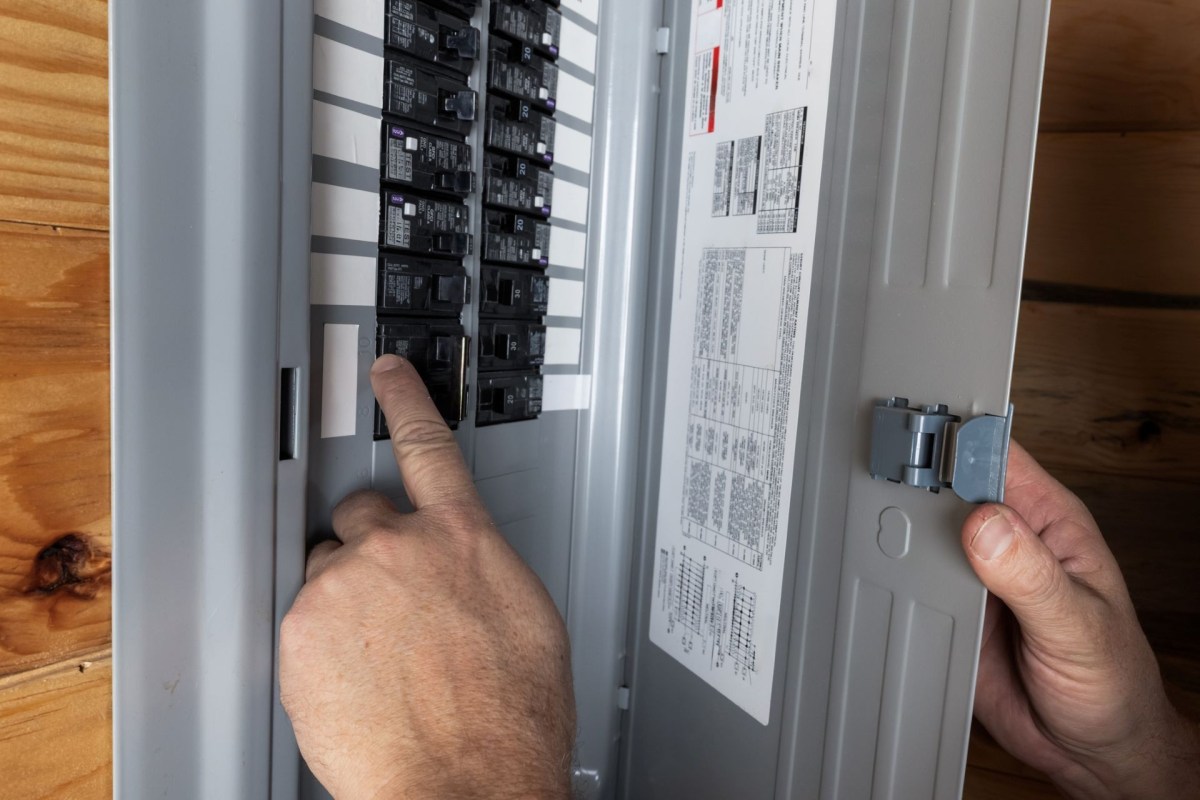
Commenters pointed them to the breaker panel.
"Turn of the breakers for each room/device and observe the discharge. It helps you to narrow down the source," one user wrote.
For homeowners looking to lower bills more permanently, going solar is one of the best ways to save money on home energy. You can explore EnergySage to get free solar installation estimates and compare quotes.
More background
Because the reading stays level instead of briefly spiking, the discussion focused on equipment that can run for longer stretches overnight. Commenters mentioned possibilities such as a water heater element, heated flooring, HVAC equipment, or a water softener regeneration cycle — all of which can quietly cut into the savings people expect from solar panels, efficient appliances, and battery storage.
Save $10,000 on solar panels without even sharing your phone number Want to go solar but not sure who to trust? EnergySage has your back with free and transparent quotes from fully vetted providers that can help you save as much as $10k on installation. To get started, just answer a few questions about your home — no phone number required. Within a day or two, EnergySage will email you the best local options for your needs, and their expert advisers can help you compare quotes and pick a winner. |

Battery-backed systems can also make home energy data harder to interpret. During the day, solar panels and a Powerwall may cover low-level household demand directly, making usage look close to zero. After dark, that same background consumption may become much more visible.
Finding and fixing one hidden load could lower monthly costs without requiring much change to everyday habits.
What can be done?
The no-cost test commenters kept returning to was simple: shut off circuits one by one and see how the monitor responds. If the number drops sharply, that breaker points to a much narrower area to inspect than guessing from a list of appliances.
Adding battery storage to a solar setup is one of the best ways to protect your home during outages, save money on energy, and go off-grid. Batteries can also help households shift electricity use away from expensive peak periods while keeping essentials running when the grid goes down. You can explore EnergySage for information about home battery storage options, including competitive installation estimates.
More From EnergySage
💡Go deep on the latest news and trends shaping the residential solar landscape


"This is a great answer," one commenter wrote. "You don't have to buy or install anything new, and you'll probably learn a thing or two about your home's electrical panel and infrastructure as you do this!"
Where can I learn more?
That steady overnight draw could come from the house itself, the battery system, or simply how a solar setup shows usage after sunset. These Tesla Powerwall stories offer a closer look at the monitoring tools people are using, what battery performance looks like in real homes, and how quickly backup systems are catching on.
• Tesla's latest mobile update gives Powerwall owners a game-changing meter view for tracing overnight loads.
• In California, one homeowner's Powerwall earned him $600 by joining a virtual power plant.
• Tesla has now surpassed half a million Powerwall installations worldwide as home batteries spread.
A flat overnight draw is a lot easier to sort out when you check both the breaker panel and the app. Knowing what Powerwalls typically look like in real homes — and having better data to work with — can make the troubleshooting process much less frustrating.

Get TCD's free newsletters for easy tips, smart advice, and a chance to earn $5,000 toward home upgrades. To see more stories like this one, change your Google preferences here.






