


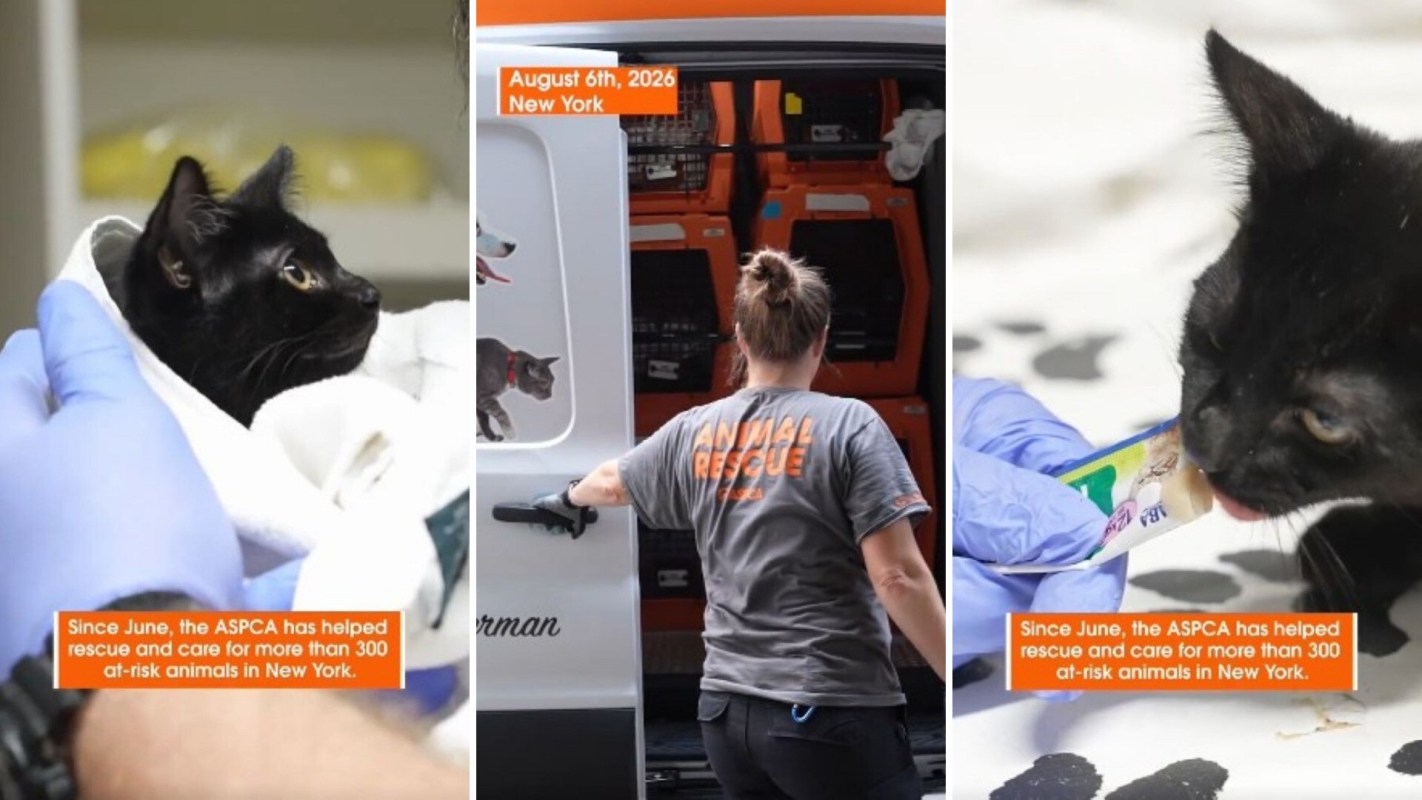
More than 100 cats, including kittens and pregnant cats, were removed from three New York City homes after rescuers discovered overcrowded and unsanitary conditions.
The large-scale rescue points to a serious animal welfare crisis and the extensive community response needed to address it.
Here's what to know
In an August TikTok post, the American Society for the Prevention of Cruelty to Animals (@ASPCA) detailed the situation.
@aspca 🚨 BREAKING: 100+ Cats Removed from Unsanitary, Overcrowded Conditions🚨 Late last week, our teams in New York City removed over 100 cats from unsanitary and overcrowded conditions across three New York City homes. Kittens and some pregnant cats were also found in the homes. These simultaneous removals follow several large-scale rescue operations in New York City in recent weeks, during which more than 300 at-risk animals, primarily cats, were rescued across the five boroughs through our Community Engagement program and partnership with NYPD. By intervening early, we help prevent further suffering while supporting pet owners in need of assistance. After receiving medical exams, the cats are now being transported to an ASPCA recovery facility in Ohio for care and treatment before they'll be made available for adoption. Please consider rushing an urgent gift today to help as we continue to care for these rescued animals, and to support our efforts to rescue and protect those most in need across the country. 🧡 #ASPCA ♬ original sound - ASPCA
The footage showed kittens receiving care from workers.
Following medical exams, the cats were moved to an ASPCA recovery facility in Ohio, where they were to receive care and treatment before being made available for adoption.
According to the ASPCA, the rescue came after a series of other large-scale removals in the city. It said that, through its Community Engagement work and coordination with the New York Police Department, more than 300 vulnerable animals across the five boroughs had been rescued. Most of them were cats.
TCD Picks » Quince Spotlight
💡These best-sellers from Quince deliver affordable, sustainable luxury for all




More background
Cases involving dozens of animals in a single residence can be dangerous.
Overcrowding can make it hard for animals to access food, water, and shelter, while unsanitary conditions can increase stress and raise the risk of illness.
These situations can also be emotionally and logistically complicated for the people involved. The ASPCA framed its rescues not only as emergency interventions for animals but also as a support system for pet owners who may be overwhelmed and in need of help.
"Thank you for caring," a commenter wrote.
What's being done?
A recovery facility equipped to care for a large number of vulnerable cats took on the animals after they were removed from the homes and given medical screenings.
The response featured a community engagement approach and involved coordination with law enforcement. The goal was to find forever homes for the rescues through adoption.
For readers looking to build a habit of charitable giving, the ASPCA could be a worthy recipient.
"By intervening early, we help prevent further suffering while supporting pet owners in need of assistance," the ASPCA wrote.
Where can I learn more?
Large-scale animal rescues do not end when the animals are removed. Different groups handle the next steps differently, from rehabilitation to support and other specialized care.
• In California, rescuers kept four orphaned bobcat kittens wild enough so they could return home.
• At England's Reading Festival, volunteers found an everyday item that comforts recovering wildlife.
• In British Columbia, dangerous fishing-line entanglements surged.
• In Michigan, the Huron Valley Humane Society used solar panels to raise $850,000 for pet services.
Animal welfare work continues well after rescues. The value of community support is apparent when creatures need care long after they are out of danger.

Get TCD's free newsletters for easy tips, smart advice, and a chance to earn $5,000 toward home upgrades. To see more stories like this one, change your Google preferences here.







