


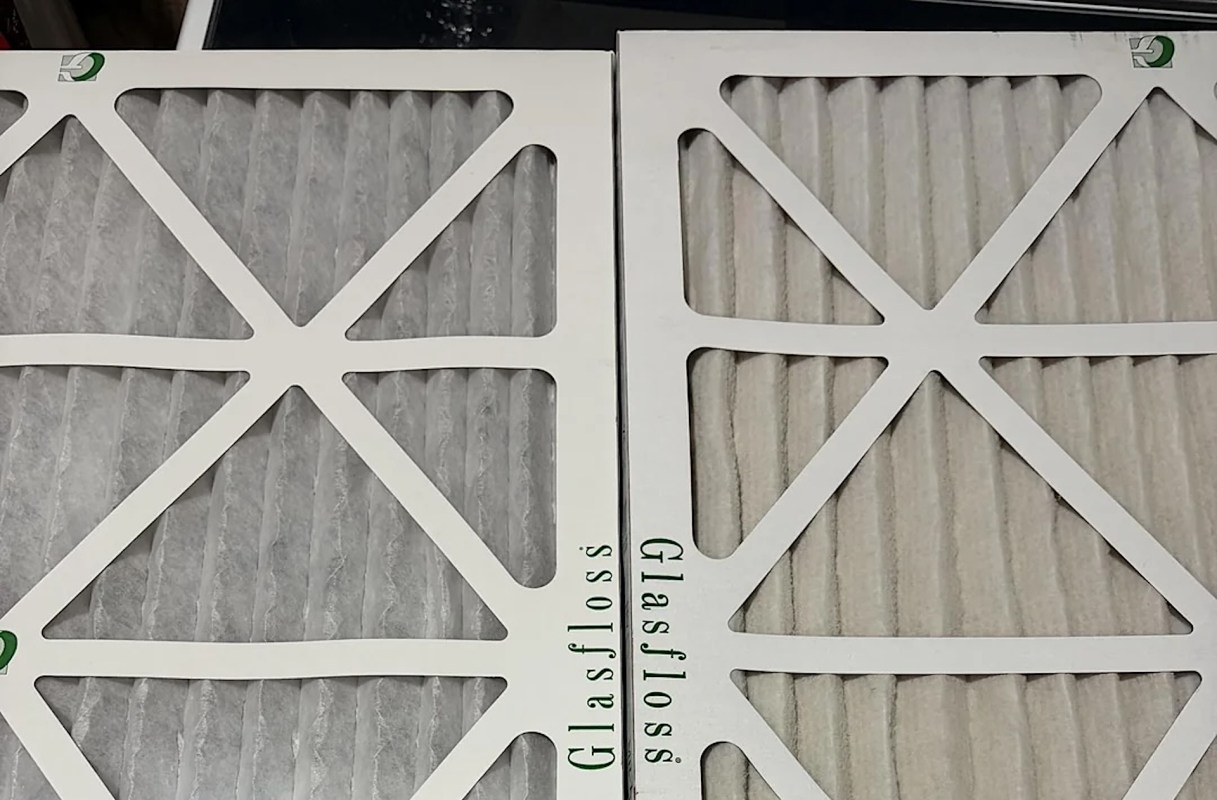
A homeowner's HVAC mystery became an expensive problem quickly after a fresh filter turned white in just 10 days, twice in a row.
After the homeowner took to Reddit's r/HVACAdvice forum, they were told that the unusual buildup may have a surprisingly simple explanation: a small humidifier sending mineral residue into the air and straight toward the home's returns.
Here's what to know
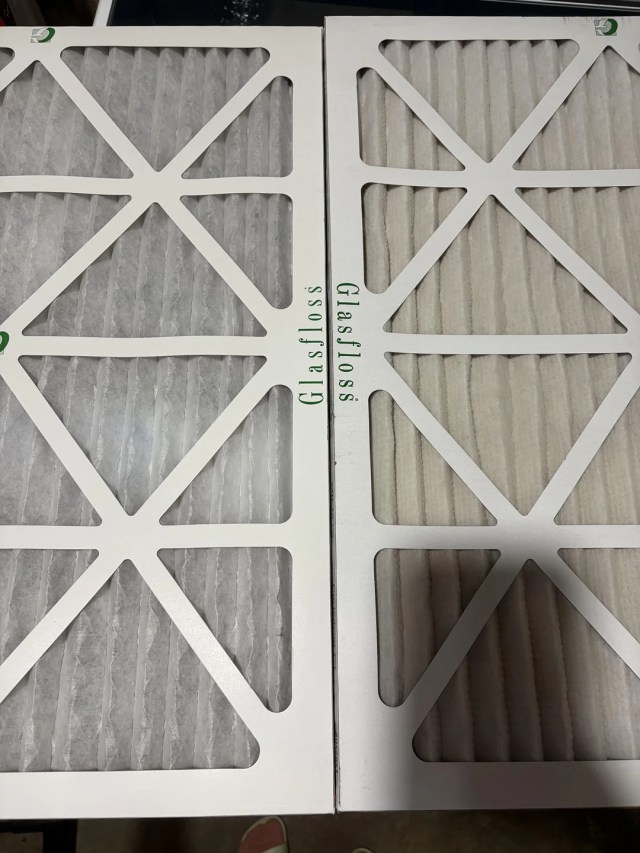
In a thread on Reddit, the original poster said, "We replaced our HVAC filter 10 days ago, and it's already covered in a noticeable amount of white dust/residue (pictured on the right with a new filter on the left). This is the second filter in a row that this has happened to."
They said an HVAC technician had already checked the system without finding an explanation. The house, they added, was built in 1940 and there had been no renovations or other major changes.
For homeowners looking to replace problematic HVAC equipment or save on heating and cooling bills, Palmetto can simplify the process. It will help you understand your options and locate efficient heat pumps and other equipment from vetted local installers through its Comfort Plan network.
Commenters focused on a different clue: that OP uses a small humidifier upstairs and had noticed signs that the water seemed harder, including new rings and stains. For some commenters, those details suggested that the filter might be collecting airborne minerals instead of ordinary dust.
One commenter wrote, "I'm pretty sure I read on here somewhere using mineral rich water in any form of ultrasonic humidifier basically just sends all the mineral airborne."
Another added, "Friend of mine used tap water in his ultrasonic, completely plugged his filter in a month."
Crushed by your bills? See instant solar savings from vetted installers in just a few clicks With energy prices through the roof, there's never been a better time to go solar — and EasyHome can help you find the best prices from the best installers in your area. EasyHome takes the guesswork and headaches out of energy upgrades by showing you estimated savings from a network of vetted local partners. To get started, just enter your ZIP and share a few details about your home — seeing your estimate is really that easy. |

More background
This kind of "white dust" is a known complaint with ultrasonic humidifiers, which create a cool mist by vibrating water into tiny droplets. If that water contains dissolved minerals, those particles can dry in the air and settle on surfaces. Or, in this case, get pulled into an HVAC system and be trapped by the filter.
In an older home, drafts and pressure differences can move particles farther than expected, even with doors closed. When a filter loads up that quickly, it can restrict airflow, forcing the system to work harder and potentially driving up both wear and energy bills.
A change in water quality can also make a normal setup start causing problems without warning. If tap water has gotten harder, the same humidifier arrangement used for years may suddenly begin leaving behind residue.
Possible fixes include unplugging the humidifier for several days, switching to distilled or reverse osmosis water, or replacing an ultrasonic unit with an evaporative or warm mist model that is less likely to spread minerals through the air.
It may also help to check your filter more often, inspect vents and nearby surfaces for powdery residue, and consider an air quality monitor if the buildup is severe. If the problem continues after the humidifier is off, it may be worth bringing in an HVAC professional again to rule out other sources.
And if repeated maintenance is making you think about a larger upgrade, Palmetto's Comfort Plan includes options that can lower your heating and cooling costs by as much as 50%, plus 12 years of free maintenance.
For even more savings, pair your cost-effective HVAC equipment with solar panels to provide low-cost power. EnergySage can help you find the best deal on solar installation and save up to $10,000.
Where can I learn more?
A filter coated in white residue can point to a bigger HVAC issue, especially when humidity, airflow, and basic maintenance are all part of the equation. Here are a few stories on how moisture settings, simple cleaning habits, and steering clear of gimmicky fixes can affect comfort, mold risk, and monthly energy bills.
• One homeowner found a little-known dry mode helped curb indoor moisture and mold issues.
• On TikTok, a homeowner used a simple drain cleaning change to boost AC efficiency.
• In Florida, HVAC pros gave a hard pass to a viral AC saver.
If the humidifier is only one piece of the problem, day-to-day maintenance and operating habits can still make a real difference in how hard your HVAC system has to work.

Get TCD's free newsletters for easy tips, smart advice, and a chance to earn $5,000 toward home upgrades. To see more stories like this one, change your Google preferences here.






