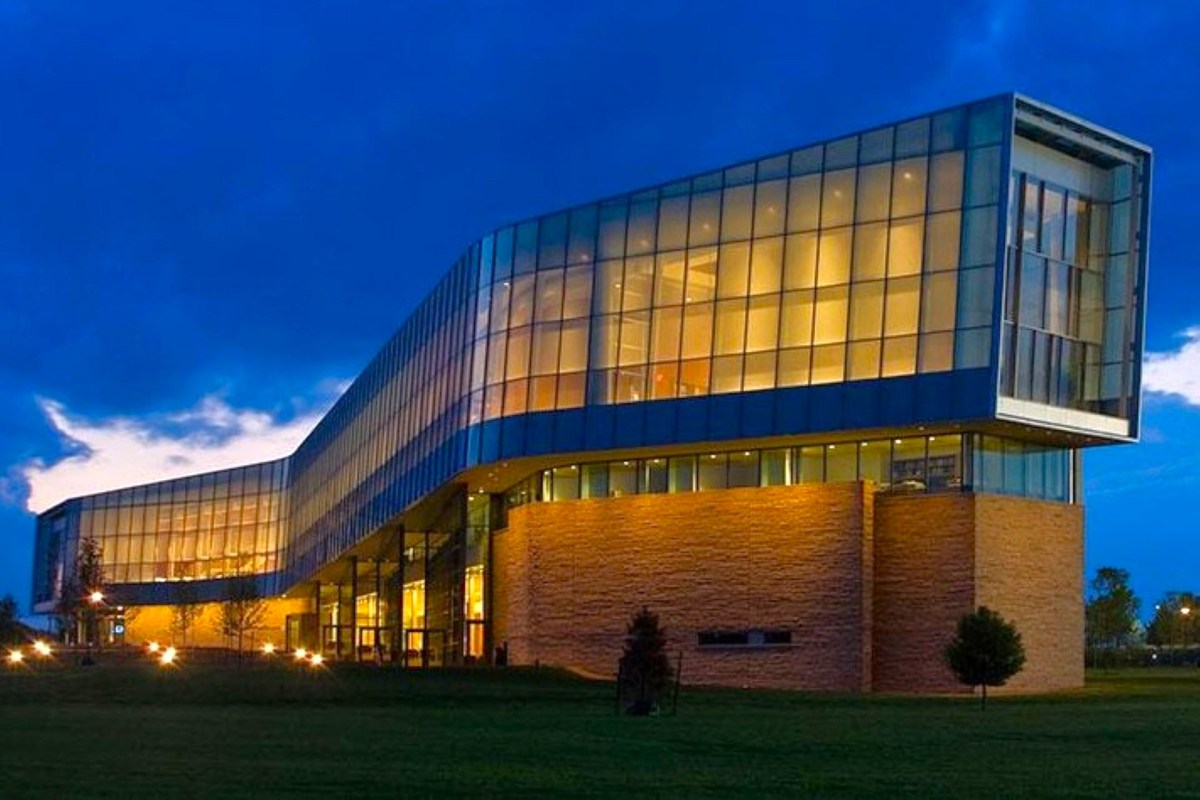
Penn State has launched a new tool that could make it easier for communities across Pennsylvania to navigate the local rules surrounding large solar projects.
The database brings thousands of ordinance provisions together in one place, offering a clearer view of how local governments across the state are approaching grid-scale solar.
Here's what to know
Roughly 4,900 ordinance records from 300 local governments in 57 Pennsylvania counties are now collected in Penn State's Pennsylvania Solar Ordinance Database, according to PA Environment Digest. The tool also lets users filter the material by several categories of local rules related to grid-scale solar.
Penn State says the platform is meant to be user-friendly, outlining the newly updated Pennsylvania guide for municipal officials on grid-scale solar development to help local leaders address common questions about solar projects and find additional information sources.
More background
The project was led by Professor Mohamed Rali Badissy, affiliate faculty at Penn State Dickinson Law; Michael Helbing, executive director of the Center for Energy Law and Policy; and Professor Hannah Wiseman of Penn State Dickinson Law and the College of Earth and Mineral Sciences and co-director of the Center for Energy Law and Policy, according to PA Environment Digest. Finn Burns and Sakshi Jain helped build and organize the database, along with a team of researchers who located and entered the ordinance data.
Local solar rules are often scattered across municipal codes, making them difficult to compare and even harder for smaller communities to evaluate when new projects are proposed.
The effort was financed by the Pennsylvania Department of Environmental Protection, the center, and an Alfred P. Sloan Foundation grant titled "Just Energy Transitions and Place," according to PA Environment Digest. The work was supported by DOE's Office of Critical Minerals and Energy Innovation through the R-STEP program. R-STEP is administered with support from a Partnership Intermediary Agreement established between the U.S. Department of Energy and ENERGYWERX.
What can be done?
Penn State says it plans to keep updating and broadening the database and is inviting users to share comments, suggestions, and corrections.
Save $10,000 on solar panels without even sharing your phone number Want to go solar but not sure who to trust? EnergySage has your back with free and transparent quotes from fully vetted providers that can help you save as much as $10k on installation. To get started, just answer a few questions about your home — no phone number required. Within a day or two, EnergySage will email you the best local options for your needs, and their expert advisers can help you compare quotes and pick a winner. |

Going solar is also one of the best ways for households to save money on home energy over time. If you're considering rooftop panels, you can explore EnergySage to get free solar installation estimates and compare quotes.
EnergySage's free services can help homeowners compare options with more confidence, and with EnergySage's help, the average person can save up to $10,000 on solar purchases and installations. Tools such as EnergySage's solar map show the average cost of a home solar panel system on a state-by-state level, as well as details on solar panel incentives for each state. Together, those resources can help readers get the best price for rooftop solar panels and access available incentives.
Adding battery storage to a solar setup is also one of the best ways to protect your home during outages, save money on energy, and go off grid. Readers interested in backup power and added energy independence can explore EnergySage for information about home battery storage options, including competitive installation estimates.
As Pennsylvania communities weigh more solar proposals, centralized tools like this database could help cut through red tape and make cleaner, lower-cost energy decisions easier for everyone involved.
More From EnergySage
💡Go deep on the latest news and trends shaping the residential solar landscape


Get TCD's free newsletters for easy tips, smart advice, and a chance to earn $5,000 toward home upgrades. To see more stories like this one, change your Google preferences here.