


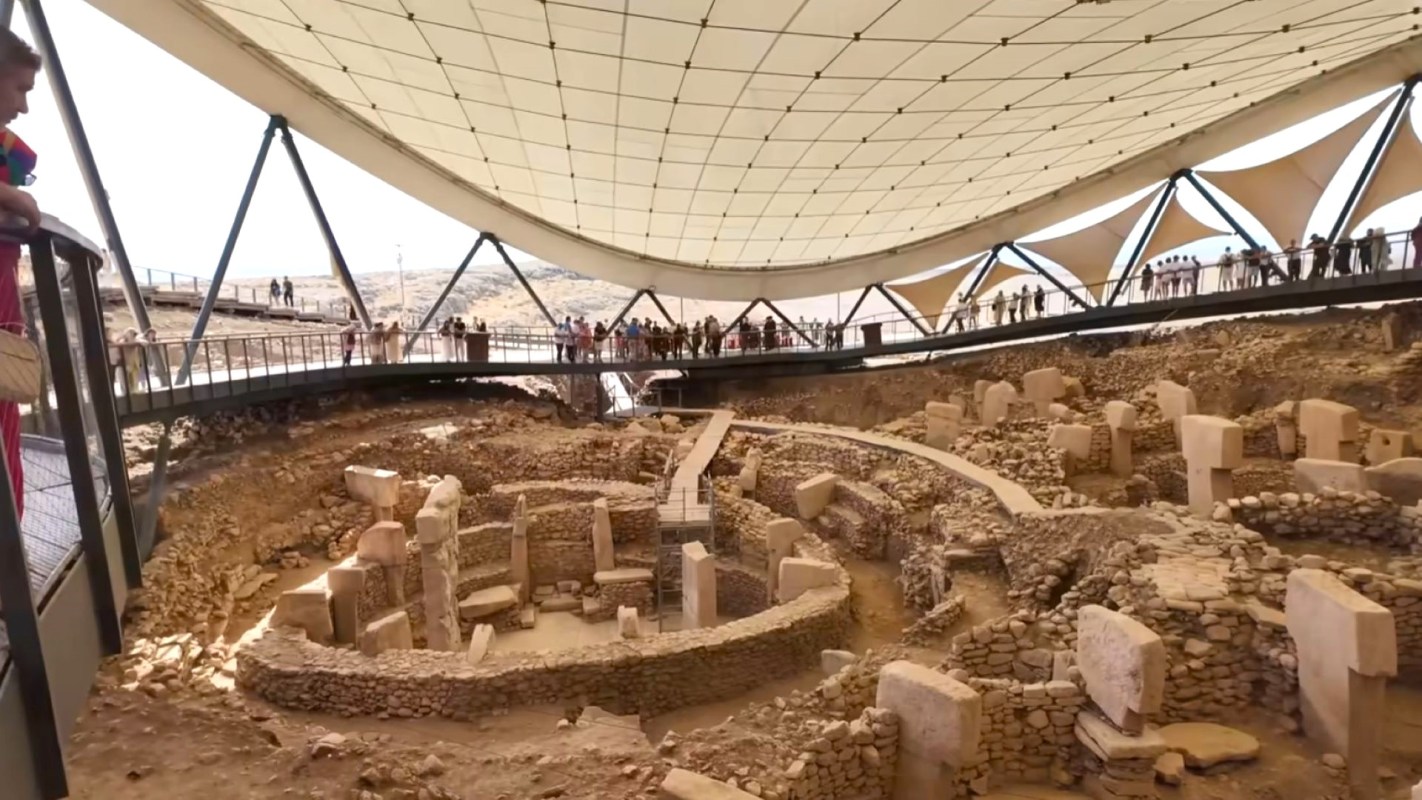
In southeastern Turkey, archaeologists have uncovered a Neolithic sculpture that appears to show a person astride a leopard.
Standing 28 inches (70 centimeters) tall, the carving adds a new detail to one of the world's oldest known monumental landscapes and broadens the picture of how people, long before cities organized labor, built structures, and made art.
Here's what to know
According to The Debrief, Turkey's Ministry of Culture and Tourism said the sculpture was found at Karahan Tepe, roughly 19 miles (30 kilometers) from the better-known Göbekli Tepe.
Mehmet Nuri Ersoy, Turkey's culture and tourism minister, called it a "composite sculpture" and said this kind of object had not previously been reported at the site near Şanlıurfa.
Rather than being found inside one of the larger monuments, the sculpture was reportedly uncovered on seating built along the edge of a circular enclosure measuring about 10 feet (3 meters) across.
Officials said flat stones covered the floor of that structure, which they cited as evidence of deliberate architectural planning "during an era predating the emergence of cities and written records."
TCD Picks » Quince Spotlight
💡These best-sellers from Quince deliver affordable, sustainable luxury for all




Göbekli Tepe and nearby sites have already reshaped archaeologists' understanding of the Neolithic period. Göbekli Tepe has been dated to around 11,500 to 12,000 years before present, while Karahan Tepe appears to have followed a few hundred years later as part of the broader Taş Tepeler, or Stone Hills, archaeological zone.
More background
The sculpture strengthens the case that prehistoric communities were engaging in symbolic art, large-scale planning, and complex social coordination earlier than many once thought.
The find does not point to a lost super-civilization or overturn the basic timeline of human history.
Instead, it fits mainstream archaeological research showing that late hunter-gatherer groups in this region could create sophisticated ritual spaces and durable stone works before cities or written language emerged.
Ministry officials said artifacts from the area help illuminate the transition between "mobile hunter-gatherer existence and settled agricultural life" and "challenge previous assumptions about the timeline of complex social organization."
What's being done?
Turkey is continuing to study the region through the broader Taş Tepeler archaeological project, which includes several Neolithic sites across southeastern Anatolia.
Officials also tied the work to the country's "Heritage to the Future" initiative, which supports excavation and preservation efforts.
Researchers are still excavating Karahan Tepe, whose monumental pillars and animal carvings have drawn attention, The Debrief reported.
In the ministry's words, "While Göbeklitepe has drawn international attention since the 1990s for its T-shaped pillars and animal carvings, Karahantepe has emerged as a significant parallel site since excavations began there in 2019."
As archaeologists document more structures and artworks, they will be better positioned to assess how these communities lived, gathered, and expressed their beliefs.
The new carving could deepen the mystery further. As Ersoy put it, the discovery "opens the door to new questions about the earliest periods of human history."

Get TCD's free newsletters for easy tips, smart advice, and a chance to earn $5,000 toward home upgrades. To see more stories like this one, change your Google preferences here.






