As office-track careers look more volatile, once-old-fashioned trades are drawing renewed interest from younger workers.
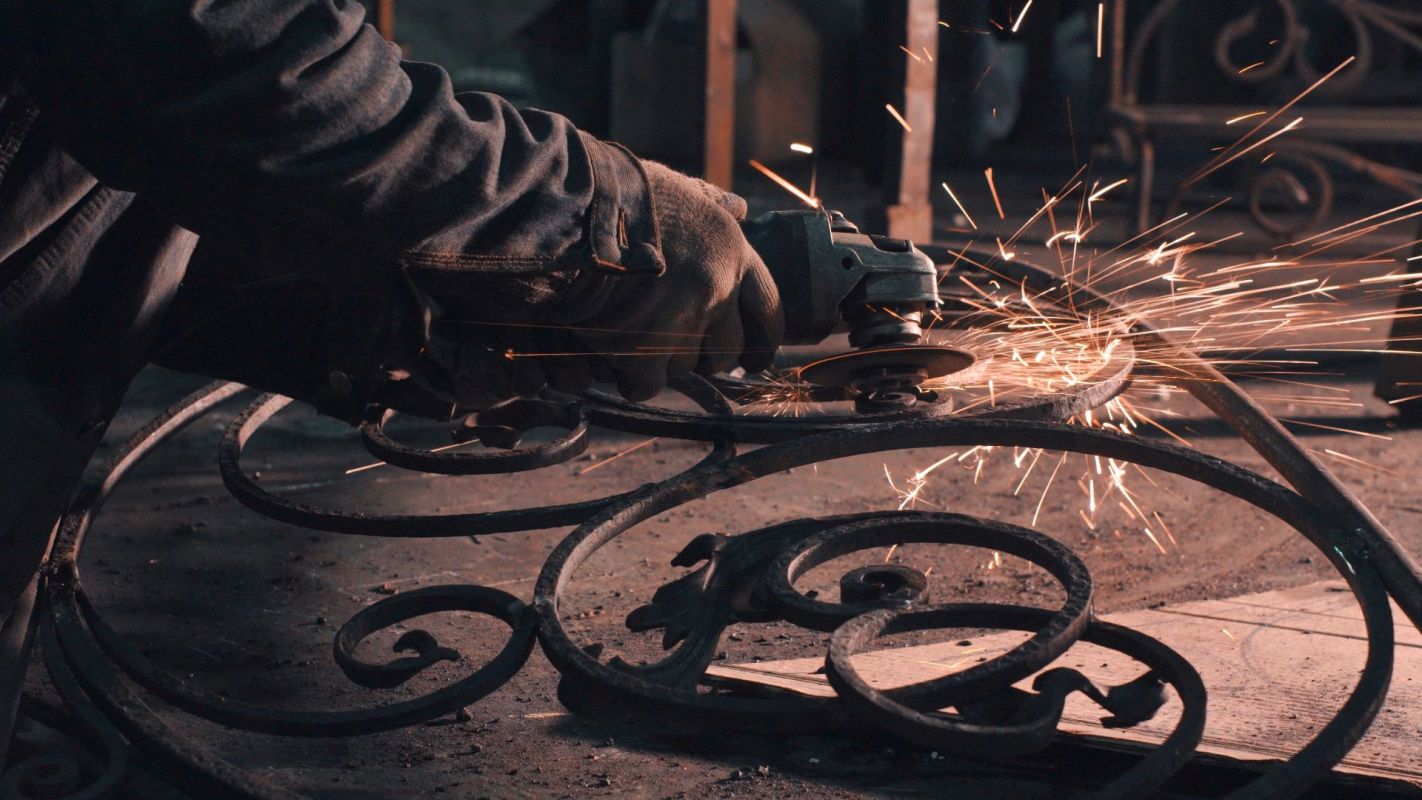
In the U.K., that interest is centering on heritage crafts, including bookbinding, metalwork, and prop-making, which many workers see as less susceptible to AI replacement.
Here's what to know
As The Guardian reported, these roles are attracting young workers because they rely on manual precision, judgment, and expertise built over years, rather than repetitive digital tasks that automation is increasingly handling.
One example is Eryn Lawley, a 27-year-old politics graduate who left screen-based work. Now in her second year as an apprentice at Ludlow Bookbinders in Shropshire, she works largely by hand, using Victorian-era presses and traditional tools.
Britain has fewer than 50 handcraft-operating bookbinders, according to Paul Kidson, chief executive of Ludlow Bookbinders and a fourth-generation bookbinder. That makes the rise in interest especially significant for employers concerned that specialist skills could vanish.
Kidson said the influx of younger applicants has been a lifeline for a trade whose formal training routes disappeared decades ago.
TCD Picks » Quince Spotlight
💡These best-sellers from Quince deliver affordable, sustainable luxury for all




The surge is not confined to bookbinding. Cox London, a design house specializing in artistic metalwork, received more than 160 applications for two apprenticeship positions.
More background
AI is changing entry-level office and creative jobs, while older manual trades struggle to replace aging workers.
The National Theatre in London offers apprenticeships not only in IT but also in wigs, costumes, props, and metalworking. Kath Geraghty, the theater's head of technical qualifications, said, "These theatre crafts are dying out. Our metalworkers are all over 50, wig-making as a skill is really dying. There's a real need to create our own talent."
Those openings are also becoming much more competitive. Geraghty said the National Theatre used to view 100 applications as a strong response for an apprenticeship, but a hiring round brought 728 applicants for a single opening.
What's being done?
Some employers are trying to rebuild apprenticeship routes that had largely fallen away. Kidson said Ludlow Bookbinders has been forced to train staff itself because so few formal courses remain.
Some companies are also continuing to invest in work made by people. Joanna Reynolds, chief executive of the Folio Society, said the publisher does not use generative AI in its artwork and continues investing in skilled creative labor, including a handcrafted limited edition made with Ludlow.
At Cox London, apprentice Nazifa Tabassum said AI could still be useful if it serves the craft instead of replacing it.
Lucky Emerson, an apprentice at Cox London, said, "The physicality of actually making things is incomparable, especially when people crave originality. Even though technology has advanced, handcrafted art is considered a lot more valuable and will always remain that way."
Where can I learn more?
Interest in heritage trades is growing as employers and workers alike grapple with how fast AI is changing entry-level and white-collar work. Companies are also running into broader workplace trade-offs from automation, adding to the appeal of skills that still depend on human hands and judgment.
• Across industries, entry-level office jobs face growing scrutiny as companies hand routine tasks to AI.
• Geoffrey Hinton warns white-collar workers may see fewer openings as AI systems improve.
• Employers embracing automation are also confronting unexpected workplace side effects that complicate AI's promised efficiency.
As digital work feels less certain, long-built craft expertise can start to look like the steadier bet.

Get TCD's free newsletters for easy tips, smart advice, and a chance to earn $5,000 toward home upgrades. To see more stories like this one, change your Google preferences here.