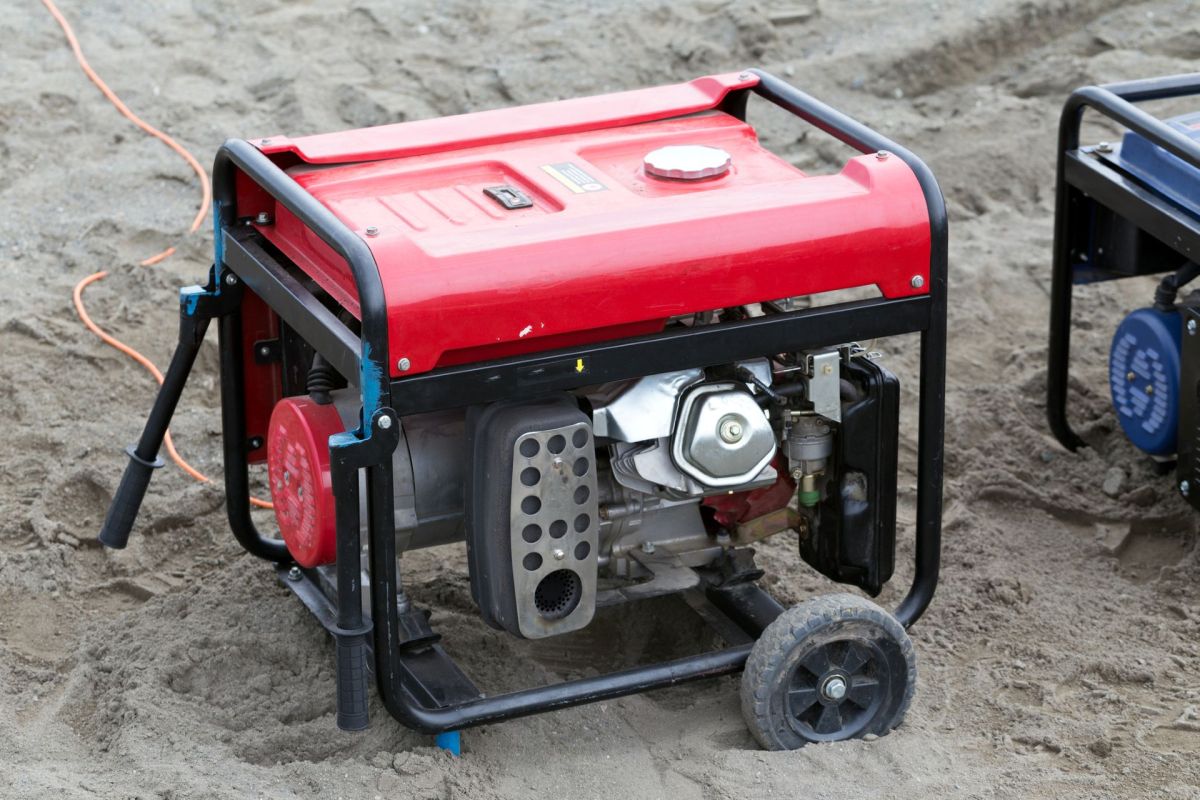
A homeowner preparing to connect a portable generator to a house panel learned that a 20-year-old machine may still have useful life left in it if it can be converted for use with a home inlet.
The generator at the center of the discussion was a Generac Workhouse 5550 that the owner said "still works great," but it would need a floating neutral to be used with a home inlet.
Here's what to know
The discussion unfolded on Reddit, where the poster wrote: "Getting ready to have an outside generator outlet connected to my electrical panel installed but just learned that my Generac Workhouse 5550 — which I've had for over 20 years and still works great — it has a bonded neutral and, of course I'll need it to be a floating neutral to power the house through my electrical panel. Any help/explanation/direction will be much appreciated!"
Another user posted the wiring diagram; the neutral-ground bond was identified as "a green (0) wire connecting the neutral terminal (4) to the ground terminal (5) on the same 5-20R receptacle. In the upper right corner of the diagram that green jumper is marked in green. To unbond the generator remove the jumper without disturbing any other wires or connections."
"This is exactly where the bonding jumper is/was. It's not down in the electrical winding motor, but rather behind the control panel — where the plugs and such are," the OP replied. "Found it and removed it."
From there, the discussion shifted into a broader argument over whether removing the bond is necessary, recommended, or risky.
TCD Picks » Quince Spotlight
💡These best-sellers from Quince deliver affordable, sustainable luxury for all




More background
The Workhouse 5550 involved in the thread is more than two decades old, and the owner said it is still operating well.
Views split in the comments over what to do about the neutral. One user said, "Generac generally recommends you don't switch their generators to floating neutral, and it won't cause an issue with the infrequent use they usually see." Others pushed back, arguing that a bonded generator connected to a house with a bonded neutral could create parallel current paths and potentially involve grounded metal surfaces or sensitive electronics.
What can be done?
Whether the neutral stays bonded or is converted to floating can affect whether a portable generator is suitable for feeding a home's electrical system as intended.
Commenters indicated that, on this Generac model, the bond point is behind the control panel area rather than deep inside the generator itself.
Home backup connections can involve code requirements, shock concerns, and the risk of damaging costly appliance controls and electronics.
The OP eventually summed it up this way: "Bottom line is that the generator will continue to work just fine as either a bonded or floating neutral unit and you may or may not experience issues like getting shocked and/or short circuits if you have two neutral to ground connections within the system. You CAN continue to use your bonded generator through your home's electrical system and experience no issues — or at least none that you notice. But just cause you CAN doesn't mean you SHOULD — it only means you COULD."
Where can I learn more?
A wiring question on an older Generac can quickly turn into a bigger conversation about repair costs, panel work, and whether it makes sense to look at newer backup options. The stories below touch on the kinds of home power decisions that tend to follow.
• A homeowner avoided a $1,300 bill after one loose ribbon connector sidelined a Generac control panel.
• Across the backup market, next-gen battery systems are pulling homeowners away from aging generators.
• ConnectDER says its meter collar shortcut can spare homeowners costly electrical rewiring.
They offer a little more context for anyone deciding whether to keep working on an older generator or start looking at a different backup setup.

Get TCD's free newsletters for easy tips, smart advice, and a chance to earn $5,000 toward home upgrades. To see more stories like this one, change your Google preferences here.